Automotive PU Foam Seating Procurement Guide: Density/ILD, FMVSS 302 & VOC Compliance
Automotive seating comfort, durability, and safety rely heavily on the right polyurethane (PU) foam specification and a supplier capable of producing consistent quality at scale. This guide explains how to select foam density and ILD, verify flammability and VOC compliance, and structure a robust sourcing process. If you need end-to-end support from design to mass production, explore our OEM/ODM service.
Beyond foam, many programs integrate rubber, silicone, and sewn textiles into seat assemblies. See our product portfolio to understand available materials and processes you can combine to meet ergonomic and regulatory targets. This guide will answer critical questions like “What density and ILD ranges fit my seat architecture?”, “How do FMVSS 302 and ISO 12219 impact material choices?”, and “Which supplier capabilities ensure consistent quality and on-time delivery?”.
Buyer Priorities for PU Foam Seats
Successful seat foam sourcing balances comfort, durability, safety, emissions, and cost. Comfort depends on foam density and indentation load/force deflection (ILD/IFD), tuned across cushion, bolsters, and backrests. Durability covers fatigue, compression set, and hydrolysis resistance, verified with standardized testing. Safety includes flammability per FMVSS 302 and harmonized methods like SAE J369. Cabin air quality hinges on low VOC emissions measured to ISO 12219 series protocols. Procurement teams should define user personas (e.g., ride-sharing, luxury, commercial), climate zones, and warranty targets, then translate them into material specifications, test plans, and PPAP deliverables. To de-risk programs, insist on prototype iterations, correlation to ASTM D3574 methods, and run-at-rate validation before committing to tooling.
Technical Specifications: Density & ILD
PU foam performance is set primarily by density and ILD. Density (kg/m³) correlates with support, durability, and cost, while ILD determines perceived firmness at specific compressions (e.g., 25% and 65%). Use standardized test blocks and conditioning per ASTM D3574 to ensure comparable data between suppliers. Typical automotive seat cushions target density: 30–50 kg/m³; front-row bolsters may require higher ILD to control body roll, e.g., 25% ILD: 120–250 N, depending on seat architecture. Optimize multi-zone cushions by combining foams with different ILDs or by sculpting geometry to achieve uniform pressure distribution while meeting weight and durability goals.
| Application (Keyword: high density foam) | Density (kg/m³) | 25% ILD (N) | Compression Set (%) | Key Test (Keyword: ASTM D3574) |
|---|---|---|---|---|
| Front Cushion (comfort) | 35–45 | 140–220 | <8 | ASTM D3574 B1/B2, I3 |
| Bolsters (support) | 40–55 | 180–300 | <6 | ASTM D3574 C, I3 |
| Backrest (comfort/support) | 30–40 | 120–200 | <8 | ASTM D3574 B1/B2 |
Standards & Compliance: FMVSS 302 and VOC
Flammability and emissions define acceptance for automotive interiors. FMVSS 302 sets horizontal burn-rate limits for interior materials; harmonized methods include SAE J369. For VOCs, the ISO 12219-1 whole-vehicle chamber method guides cabin air measurements, complemented by parts-level methods like ISO 12219-5. For emission health context, see the U.S. EPA overview on VOCs. Document compliance with validated lab reports, material traceability, and change-control. For test rationale and harmonization background, refer to NHTSA’s technical paper on FMVSS 302 procedures here.
| Requirement | Test Method / Standard | Acceptance Criteria | Documentation Provided |
|---|---|---|---|
| Flammability | FMVSS 302 / SAE J369 | Burn rate ≤ 102 mm/min (per specimen category) | Accredited test report, material traceability |
| Cabin VOC | ISO 12219-1 | Program-specific VOC thresholds | Chamber report, sampling method, conditions |
| Parts VOC | ISO 12219-5 | Emission rate within spec | Static chamber data, material ID |
| Health Context | U.S. EPA VOC Guidance | Design to minimize VOCs | Material selection rationale |
Manufacturing & Process Integration
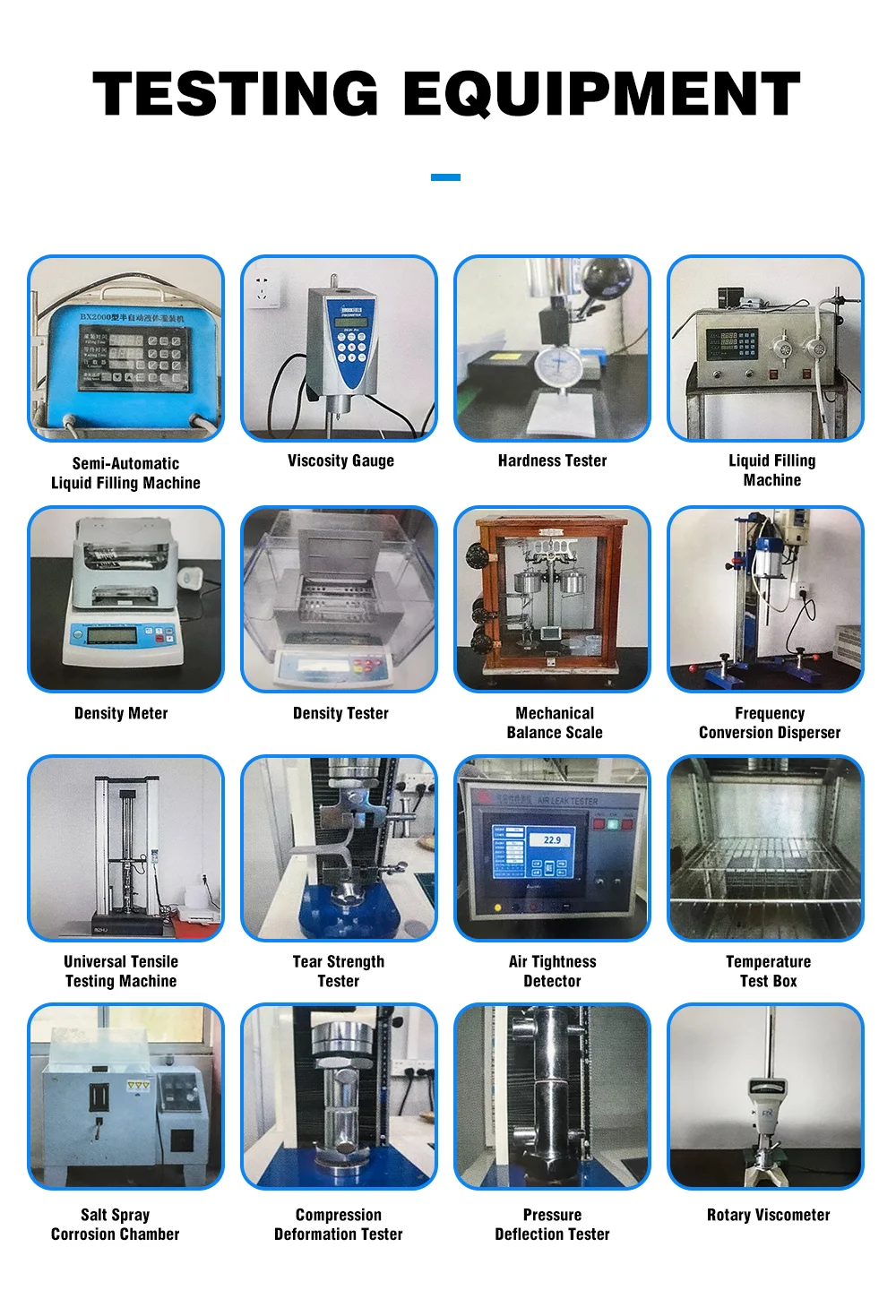
PU foam seating often integrates multi-material assemblies. Our engineering team supports custom tooling, die-cut inserts, foam shaping, and downstream sewing for covers. We provide diverse processes—compression molding, injection molding, extrusion, die cutting, and 3D printing—to match design intent and volume. For silicone and rubber components in seat assemblies or NVH parts, see Custom Silicone Rubber Products. Packaging is engineered for protection and local environmental labeling compliance. With dedicated warehousing and logistics, we coordinate shipments and optimize palletization to minimize transit damage and cost.
Quality Assurance & Certifications
Quality governance is critical for automotive programs. Our company has successfully passed ISO 9001, ISO 14001, and IATF 16949 certifications, underpinned by R&D engineers, a dedicated quality team, and 24-hour technical support. We have independently developed and applied for over 40 intellectual property items, including 3 invention patents, 36 utility model patents, and 1 design patent, and have been recognized as a “National High-tech Enterprise” and “Guangdong Specialized and Sophisticated Enterprise.” Multi-language documentation—English, Chinese, Japanese, Portuguese, Spanish, and Russian—is available for manuals, packaging, and labels to streamline global launches.
Cost, Lead Time & Supplier Evaluation
Total cost blends material selection (polyol/isocyanate systems), density, ILD, tooling, and logistics. Firm up specifications early: define density (e.g., 35–45 kg/m³), 25% ILD (e.g., 140–220 N), and fatigue targets per ASTM D3574 I3. Require prototype foam blocks, dimensional checks, and comfort assessments with human factors feedback. For automotive governance, request PPAP deliverables—design records, control plan, PFMEA, capability data—and run-at-rate validation; see AIAG’s PPAP reference overview. Evaluate suppliers on engineering depth, test infrastructure, certifications, patents, and logistics solutions. Ensure packaging meets regional environmental rules and labeling standards and confirm spare tooling strategy for continuity.
Procurement Workflow
Structure your sourcing path to reduce risk and accelerate program timing—from requirements capture to mass production and global distribution. A clear workflow ensures traceability, objective decision-making, and on-time launch. The following flowchart outlines a recommended process leveraging end-to-end support: requirements, concept & materials, prototype, validation testing, tooling, pilot run, PPAP, mass production, and logistics.
Frequently Asked Questions
Q1: How do you ensure quality control for custom foam, rubber, silicone, and sewn assemblies?
We operate certified quality systems—ISO 9001, ISO 14001, and IATF 16949—with an integrated R&D and quality team overseeing design reviews, tooling, sampling, pilot runs, and mass production. We provide 24-hour technical support, warehousing, and logistics, and have accumulated over 40 IP items (including 3 invention, 36 utility models, and 1 design patent). These underpin process control and continuous improvement for OEM/ODM programs.
Q2: What manufacturing processes are available for OEM/ODM seat foam and related components?
We offer comprehensive processes: 3D printing for rapid iteration, die cutting, extrusion, compression molding, and injection molding. This allows us to tailor density/ILD targets, integrate rubber/silicone parts, and prepare sewn components. End-to-end support covers design, tooling, sample trials, batch production, and compliant packaging and labeling.
Q3: Do you provide multi-language documentation and packaging for global launches?
Yes. We provide manuals, packaging, and documentation in English, Chinese, Japanese, Portuguese, Spanish, and Russian. This multi-language support streamlines global programs and ensures labels and packaging conform to local environmental regulations and standards.
Q4: What logistics and warehousing services support volume programs?
We operate dedicated warehousing and offer logistics solutions, coordinating shipments, palletization, and scheduling. Our goal is to ensure on-time deliveries and smooth ramp-up from samples to mass production across automotive and consumer product segments.
Conclusion
Effective PU foam seat procurement hinges on tuning density and ILD, validating FMVSS 302 and ISO 12219 compliance, and partnering with a certified manufacturer capable of end-to-end execution. For program planning, prototyping, and mass production support, visit our homepage or engage our OEM/ODM service.