Introduction
Automotive upholstery foam directly influences seating comfort, durability, and occupant safety. To procure the right materials, buyers must translate engineering needs into testable specifications—particularly density ranges, ILD under ASTM D3574, and FMVSS 302 flammability. If you need end-to-end support from design-for-manufacturing through production, explore our OEM/ODM service for automotive seating programs.
This guide explains how to define ILD and density bands for cushions and backrests, how to verify FMVSS 302 compliance, and how to align supply with quality systems. For silicone-intensive interiors and soft-touch components, see custom silicone rubber products that complement foam assemblies with resilient skins, seals, and trims.
Specifying ILD (ASTM D3574) and Density for Upholstery Foam
Indentation Load Deflection (ILD) according to ASTM D3574 quantifies foam firmness under compression and should be tied to end-use. For seat cushions, ILD at 25% deflection commonly governs initial feel, while 65% deflection informs deep support. Typical procurement bands for passenger seating are: cushions 35–50 lb ILD (25%), backrests 15–25 lb ILD (25%), with densities often in the 35–60 kg/m³ range for flexible polyurethane upholstery foam. Always state test method, sample size, conditioning, and tolerances in RFQs.
Beyond nominal ILD, specify tolerances (e.g., ±10%), compression set after 22 h at 50% compression, and rebound metrics. Link these to seating comfort targets and durability KPIs. For closed-cell elastomeric strips used in edges and trims, the relevant framework is ASTM D1056, which classifies flexible cellular sponge/expanded rubber by type, class, and grade—useful when pairing upholstery foam with sealing components.
Actionable RFQ Tips
Include ILD test condition details (rate, platen size), density method, and sampling frequency in contracts. Define incoming inspection plans and re-test criteria for out-of-band lots. When seat feel is critical, add ride validation (whole-seat modal tests) to verify that material properties translate to perceived comfort.
Table: Upholstery Foam Grades and ILD Bands
Use the table below to frame discussions with engineering, quality, and suppliers.
| Grade | Density (kg/m³) | ILD 25% (lb) | Compression Set 22h (%) | FMVSS 302 |
|---|---|---|---|---|
| Cushion—Comfort | 40–50 | 35–40 | ≤ 8 | Pass (specify method) |
| Cushion—Support | 50–60 | 40–50 | ≤ 6 | Pass |
| Backrest—Comfort | 35–45 | 15–25 | ≤ 10 | Pass |
FMVSS 302 Compliance: Flammability Requirements
FMVSS 302 regulates the flammability of interior materials. Upholstery foam, trims, and composite assemblies must meet the burn rate threshold. According to the eCFR, interior materials should exhibit a burn rate of ≤ 102 mm/min under the specified test (49 CFR 571.302). Ensure the spec covers specimen thickness, composite testing rules (adherent/non-adherent interfaces), and the exact components in scope (seat cushions, backs, headliners, belts, trims).
Best practice is to verify compliance at both material and composite levels—foam plus fabric, scrim, and surface coatings—since interfaces can change burn behavior. Maintain traceable certificates and test reports for audits. For projects emphasizing reduced environmental impact alongside safety, couple FMVSS 302 compliance with ISO environmental management.
Material Portfolio: Silicone Rubber, Foam Strips, and Composite Rubber Strips
Rubbrex focuses on advanced silicone and rubber materials tailored to automotive interiors. Core offerings include foam strips for edge support and cushioning, and composite rubber strips for sealing, trim fixation, and wear resistance. We also support medical-grade silicone customization—useful where biocompatibility or low extractables are required, guided by frameworks such as ISO 10993-1 biocompatibility. Pairing upholstery foam with these components reduces squeak/rattle, stabilizes tactile feel, and enhances perceived quality.
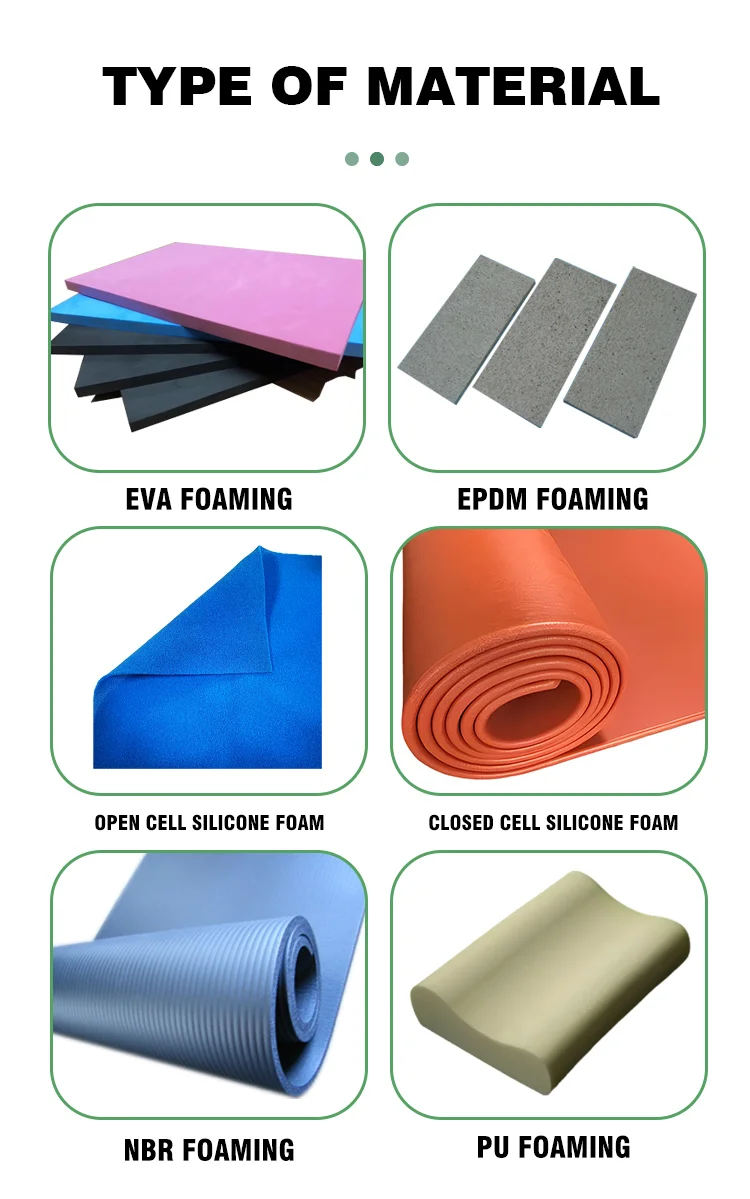
For a broader view of our solutions and categories, visit the product list and Rubbrex homepage. When trims require silicone’s thermal stability and haptics, our custom silicone rubber solutions enable robust integration around seat cushions and backrests.
Process Control and Certifications for Automotive Quality
Rubbrex has successfully passed ISO 9001, ISO 14001, and IATF 16949 certification—providing an audited foundation for quality, environmental stewardship, and automotive QMS discipline. Learn more about ISO programs at ISO 9001 quality management and ISO 14001 environmental management, and about the automotive framework at IATF 16949. In practice, this means controlled foaming, coating, and material modification processes; traceable documentation; and rigorous change management when adjusting ILD, density, or flame-retardant chemistries.
Procurement benefits include stable batch-to-batch performance, faster PPAP/PPF cycles, and clear corrective actions for deviations. For company background, see About Rubbrex.
Shipping Foam and Packaging for Seat Protection
“Shipping foam” protects completed seats and interior modules in transit. Specify packaging materials (EPE/EVA/PU), target compression strength, and reusability to minimize damage while controlling cost and waste. Tie packaging to your environmental targets under ISO 14001. Test drop/impact scenarios and compression set post-transit to confirm protection aligns with real-world shocks and stacking forces.
| Packaging Type | Material | Compression Strength (kPa) | Reusability | Indicative Cost |
|---|---|---|---|---|
| Corner Guards | EPE | 120–150 | High | Low |
| Form-Fit Inserts | EVA | 150–200 | Medium | Medium |
| Full Cushion Wrap | PU | 80–120 | Medium | Low |
RFQ-to-SOP Procurement Flow
Align stakeholders from RFQ to SOP with a clear, auditable path. The diagram below summarizes a robust upholstery foam procurement process linking specifications, compliance, and quality systems.
Commercial Terms: Cost, Lead Time, and Vendor Evaluation
Cost should reflect foam grade, additive package (e.g., FR systems), and assembly complexity. Lead times depend on mold/tooling readiness and validation cycles. Evaluate vendors on material science capability (foaming, coating, modification), certification status (ISO 9001, ISO 14001, IATF 16949), and scalability. For one-stop sourcing of upholstery foam plus sealing trims, browse products or engage OEM/ODM early to de-risk PPAP.
Authoritative Standards and References
Key references used in this guide include: ASTM D3574 for flexible cellular materials, FMVSS 302 flammability, ASTM D1056 for sponge/expanded rubber, ISO 9001 quality management, ISO 14001 environmental management, IATF 16949 automotive QMS, and ISO 10993-1 biocompatibility.
Frequently Asked Questions
Which certifications demonstrate robust automotive quality and environmental management?
Rubbrex has successfully passed ISO 9001, ISO 14001, and IATF 16949 certification. These credentials confirm a quality management system, environmental management system, and an automotive-grade QMS framework across operations.
Do you support medical-grade silicone customization for interior components?
Yes. Rubbrex supports medical-grade silicone customization. This is part of our focus on silicone deep-processing, enabling components for interiors that benefit from silicone’s stability and cleanliness profile.
What are your core products for trimming and edge support around upholstery foam?
Rubbrex’s core offerings include foam strips for cushioning/edge support and composite rubber strips for sealing and trim integration—designed to work alongside upholstery foam in automotive interiors.
What processing expertise underpins consistent material performance?
Rubbrex specializes in foaming, coating, and modification of silicone rubber deep-processing materials. These capabilities support repeatable ILD/density outcomes and integration with trims and seals.
Conclusion
Successful upholstery foam procurement starts with precise specs: ILD under ASTM D3574, density bands, and FMVSS 302 compliance—then pairs materials with certified processes. With foam strips, composite rubber strips, and medical-grade silicone customization, Rubbrex supports interior programs from RFQ to SOP under ISO/IATF frameworks. Visit the Rubbrex homepage, review the product list, or engage OEM/ODM services to start your seating materials plan.