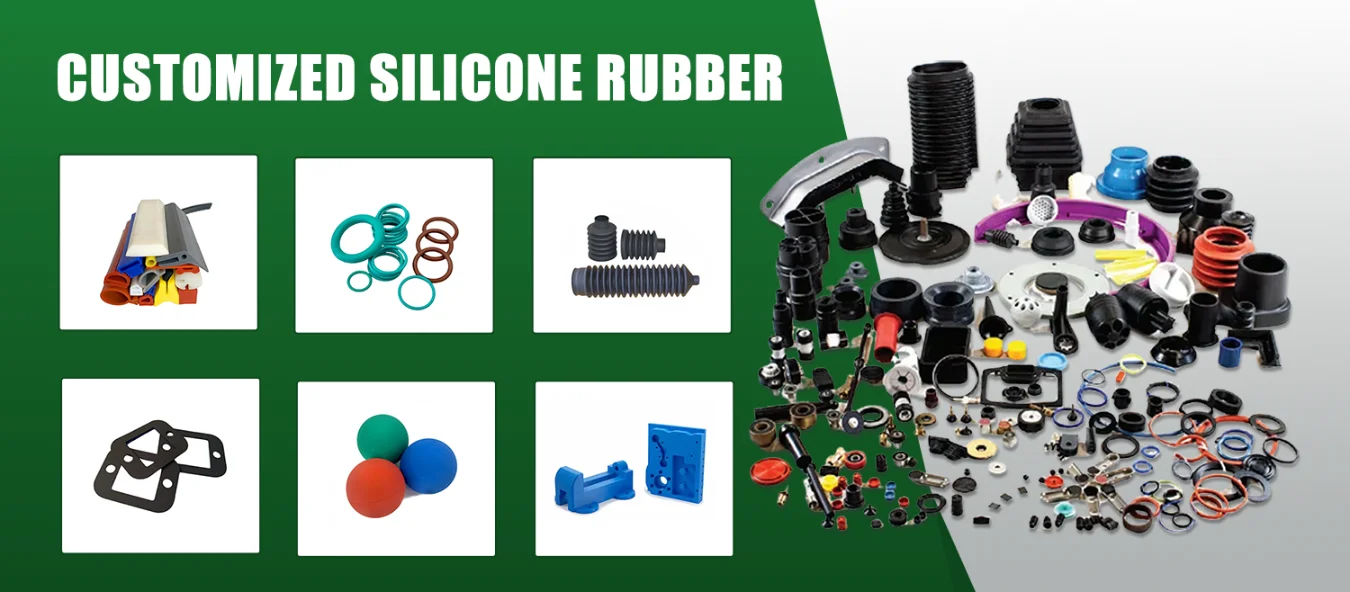
Electrostatic discharge can silently damage sensitive automotive ECUs, sensors, and ADAS modules during transport. This procurement guide helps OEMs, Tier‑1s, and supply chain teams specify and source ESD‑safe shipping foam with confidence, aligning decisions to IEC 61340‑5‑1:2024 ESD control principles and ISTA distribution tests. If you need end‑to‑end conversion support—from design and tooling to mass production and logistics—see our OEM/ODM service.
This guide will answer critical questions like “Which foam families meet ESD control targets for automotive electronics?”, “How do ISTA tests influence packaging geometry and density?”, and “What OEM/ODM process capabilities ensure quality and speed?”. For application examples and materials, explore custom silicone rubber products and the broader product catalog.
What “ESD‑Safe Shipping Foam” Means Under IEC 61340‑5‑1:2024
Under IEC 61340‑5‑1:2024, ESD protection in packaging relies on controlling charge generation, accumulation, and discharge pathways. For shipping foam, the most actionable metric is surface resistivity: conductive materials (typically ≤ 10⁴ Ω/sq) safely bleed charges; static‑dissipative materials (10⁵–10¹¹ Ω/sq) limit rapid discharge while preventing insulating behavior; insulating materials (≥ 10¹² Ω/sq) are unsuitable near sensitive electronics unless fully shielded. ESD‑safe shipping solutions combine compliant foam, antistatic liners, and proper grounding during packing. Foam selection must balance ESD targets with shock/ vibration damping to protect components through the distribution environment specified by ISTA procedures. For standards context, see IEC and the ISTA test suite.
Material Selection: Silicone, Rubber, and Foam Families for Automotive Electronics
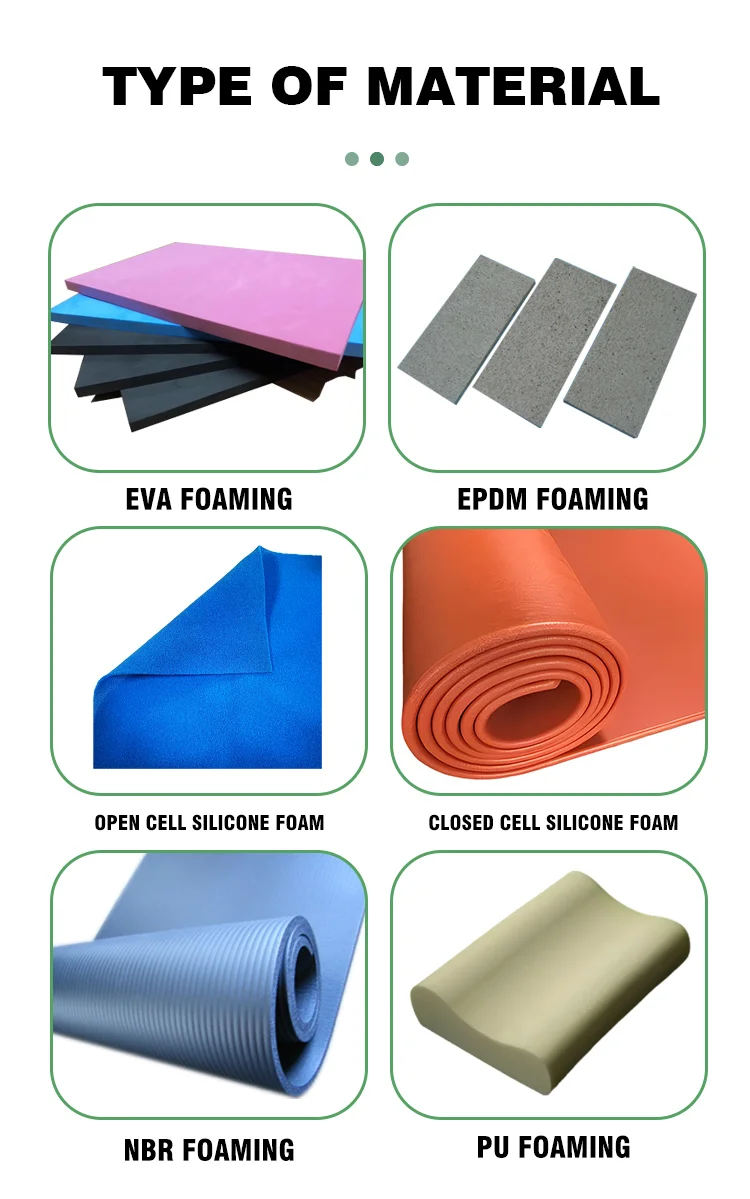
Material choice ties directly to part fragility, finish sensitivity, and transit exposure. Silicone foams provide broad temperature resilience (often from −55 °C to +200 °C), excellent compression set performance, and can be formulated in static‑dissipative ranges for ESD control. Polyurethane and polyethylene foams offer cost‑effective damping with tunable densities; conductive or dissipative grades address charge control. For delicate housings and coated PCBs, low‑abrasion surfaces and precise cut tolerances reduce cosmetic risk. When parts must survive thermal swings (e.g., winter shipments), silicone foams maintain predictable modulus and damping. Converters should validate both resistivity and cushioning through lab characterization and ISTA profiles to avoid over‑ or under‑protecting assemblies.
Specification Checklist for ESD‑Safe Foam
Define the target surface resistivity (e.g., 10⁵–10⁹ Ω/sq for static‑dissipative), compression set (<10–15% after 22 h at elevated temperature), cushioning coefficient matched to ISTA shock spectra, temperature range suited to route climates, and flammability rating such as UL 94 when required. For high‑finish housings, specify skin softness and edge quality after die‑cutting. Use sample builds to confirm fit and ESD behavior under representative handling.
| Material Family | Surface Resistivity | Compression Set | ISTA Damping Suitability | Temperature Range | Flammability | Typical Use Case |
|---|---|---|---|---|---|---|
| Static‑Dissipative Silicone Foam | 10⁵–10⁹ Ω/sq | <10–15% | High stability across shocks/vibration | −55 °C to +200 °C | UL 94 V‑0 possible | ADAS ECUs, sensor modules, coated housings |
| Conductive PE/EPE Foam | ≤10⁴ Ω/sq | Low to moderate | Good shock absorption, cost‑efficient | −40 °C to +80 °C | Varies (check grade) | Board stacks, trays, kitted components |
| Static‑Dissipative PU Foam | 10⁵–10⁹ Ω/sq | Moderate | Balanced damping; customizable density | −40 °C to +120 °C | UL 94 HF‑1 possible | Custom inserts, cavity blocks, light modules |
OEM/ODM Process and Tooling: From Design to Logistics (ISTA + PPAP‑Ready)
Successful ESD‑safe packaging requires coordinated engineering and manufacturing. Our OEM/ODM solution delivers end‑to‑end support: product design, mold/tooling manufacture, sample trial, mass production, and logistics/warehousing. Converters leverage multiple methods—3D printing for rapid fixtures, die‑cutting for high‑volume inserts, extrusion for seals/strips, and compression/injection molding for complex geometries. Align prototypes to ISTA procedures so damping and fit are validated. For automotive programs, documentation can be structured to your PPAP expectations, supported by R&D engineers, QA, and 24‑hour technical assistance.
| Process | Best‑Fit Geometry | Typical Tolerance | Tooling Lead Time | MOQ Guidance | Key Advantages |
|---|---|---|---|---|---|
| Die‑Cutting | 2D inserts, gaskets, pads | ±0.2–0.5 mm | 5–12 business days | 1,000+ pcs typical | High throughput, economical for volume SKUs |
| Extrusion | Strips, seals, continuous profiles | ±0.3–0.6 mm | 10–15 business days | 500–2,000 m typical | Consistent geometry over long lengths |
| Compression Molding | Thick pads, 3D cushions | ±0.5–1.0 mm | 12–20 business days | 500+ pcs typical | Stable properties, cost‑effective tooling |
| Injection Molding | Complex contours, tighter features | ±0.2–0.4 mm | 15–25 business days | 1,000+ pcs typical | Precision features, repeatability |
| 3D Printing | Rapid fixtures, samples | Design‑dependent | 1–3 business days | 1–50 pcs | Fast iteration, complex channels |
Quality Assurance and Certifications for Automotive Programs
Automotive supply chains require traceable systems and proven standards. Our organization has passed ISO 9001 and ISO 14001, and meets IATF 16949 for automotive quality management. These frameworks underpin material lot control, process capability monitoring, and environmental stewardship. Learn more about ISO programs at ISO 9001 quality management and ISO 14001 environmental management; for automotive expectations, see IATF 16949. With R&D engineers, a dedicated QA team, and 24‑hour technical support, we document and verify foam resistivity, damping, and dimensional conformance throughout development and production. Company background and milestones are summarized on About Us.
Packaging Compliance and Multilingual Documentation
Global shipments demand compliant, clearly labeled packaging. We provide eco‑conscious packaging solutions aligned with local environmental and labeling rules, supported by multilingual documentation services in English, Chinese, Japanese, Portuguese, Spanish, and Russian. This minimizes customs delays and ensures safe handling instructions are understood across regions. ESD‑safe foam sets are supplied with appropriate markings and instructions, integrating IEC control practices. For program onboarding and documentation templates, refer to our OEM/ODM service, and browse reference parts in Products.
Cost, Lead Times, and RFQ Data Requirements
Accurate quotes depend on clear inputs: CAD files, target resistivity (e.g., 10⁵–10⁹ Ω/sq), density or hardness, cushioning targets, finish requirements, annual volumes, and logistics destinations. Typical tooling windows range from 5–25 business days depending on process and complexity; production slots are planned around your ramp schedule. To accelerate sampling, we leverage 3D printing for fixtures and trial inserts. For application‑specific guidance, see custom silicone & rubber solutions and contact our technical team via the site.
Case Points: Where ESD‑Safe Foam Adds Value in Automotive Electronics
Use ESD‑safe foam cradles and cavity inserts for ADAS controllers, radar modules, camera systems, and infotainment boards—especially where painted housings or lenses need abrasion‑safe support. For bundle kits, dissipative tray liners prevent charge buildup across multiple components. When shipments cross extreme climates, silicone foams maintain predictable damping and resistivity. Our independent warehouse and logistics support streamline replenishment and reduce transit variability. Explore materials and example formats in the product list.
External References
Standards and guidance: IEC (Electrostatics / ESD Control), ISTA Test Procedures, ISO 9001, ISO 14001, IATF 16949, UL 94 Flammability.
Frequently Asked Questions
How does your OEM/ODM workflow cover design‑to‑logistics for custom silicone and rubber foam packaging?
We provide end‑to‑end support: product design, mold/tooling manufacture, sample trial, batch production, and logistics delivery. This includes engineering assistance across 3D printing, die‑cutting, extrusion, compression molding, and injection molding, backed by an independent warehouse and logistics solutions to ensure timely deliveries.
What certifications support quality control for automotive electronics packaging foam?
Our systems are certified to ISO9001 and ISO14001, and we meet IATF16949 for automotive quality management. These certifications validate robust quality control, environmental practices, and automotive‑grade process discipline across R&D, production, and quality assurance.
What languages can you provide for manuals, packaging, and documentation for global shipments?
We support documentation and packaging in English, Chinese, Japanese, Portuguese, Spanish, and Russian, enabling clear instructions, labeling, and compliance statements for global distribution and customs requirements.
What technical strengths and innovations demonstrate capability in custom ESD‑safe silicone and rubber products?
We focus on organic silicone with safety and cost‑effectiveness, and our team has 10+ years of experience. The company has independently developed core technologies and holds 40+ intellectual property rights, including 3 invention patents, 36 utility model patents, and 1 design patent. We have been recognized as a “National High‑Tech Enterprise” and a “Guangdong Province Specialized and New Enterprise.”
Conclusion
ESD‑safe shipping foam is a critical safeguard for automotive electronics. By aligning material resistivity, cushioning performance, and manufacturing methods to IEC 61340‑5‑1:2024 and ISTA test profiles, you reduce latent failures and logistics risk. With certified systems, multilingual support, and comprehensive OEM/ODM capabilities, we translate concepts into marketable, compliant packaging at scale. Explore solutions on rubbrex.com, review products, and engage our OEM/ODM service to request a quote.