Buying your first horse is one of the most exciting milestones in any equestrian’s journey. The dream of stepping into the barn and having a horse of your own to groom, ride, and bond with is hard to resist.
However, horses are not oversized dogs. They are powerful, sensitive, and require a significant financial and emotional commitment. For adult beginners and novice riders, the guiding principle must always be: safety first, ambition second.
Here is a practical, step-by-step guide to help you find a safe, reliable equine partner without regret.
1. The Golden Rule: Buy a "Schoolmaster," Not a Green Horse
In the equestrian world, there is a timeless proverb: "Green plus green equals black and blue."
-
Avoid young horses (under 7–8 years old): Young horses (often called "green" horses) are still learning manners, balance, and emotional control. They need consistent training from experienced riders. A beginner cannot train a young horse, and unpredictable behavior can quickly shatter a novice's confidence.
-
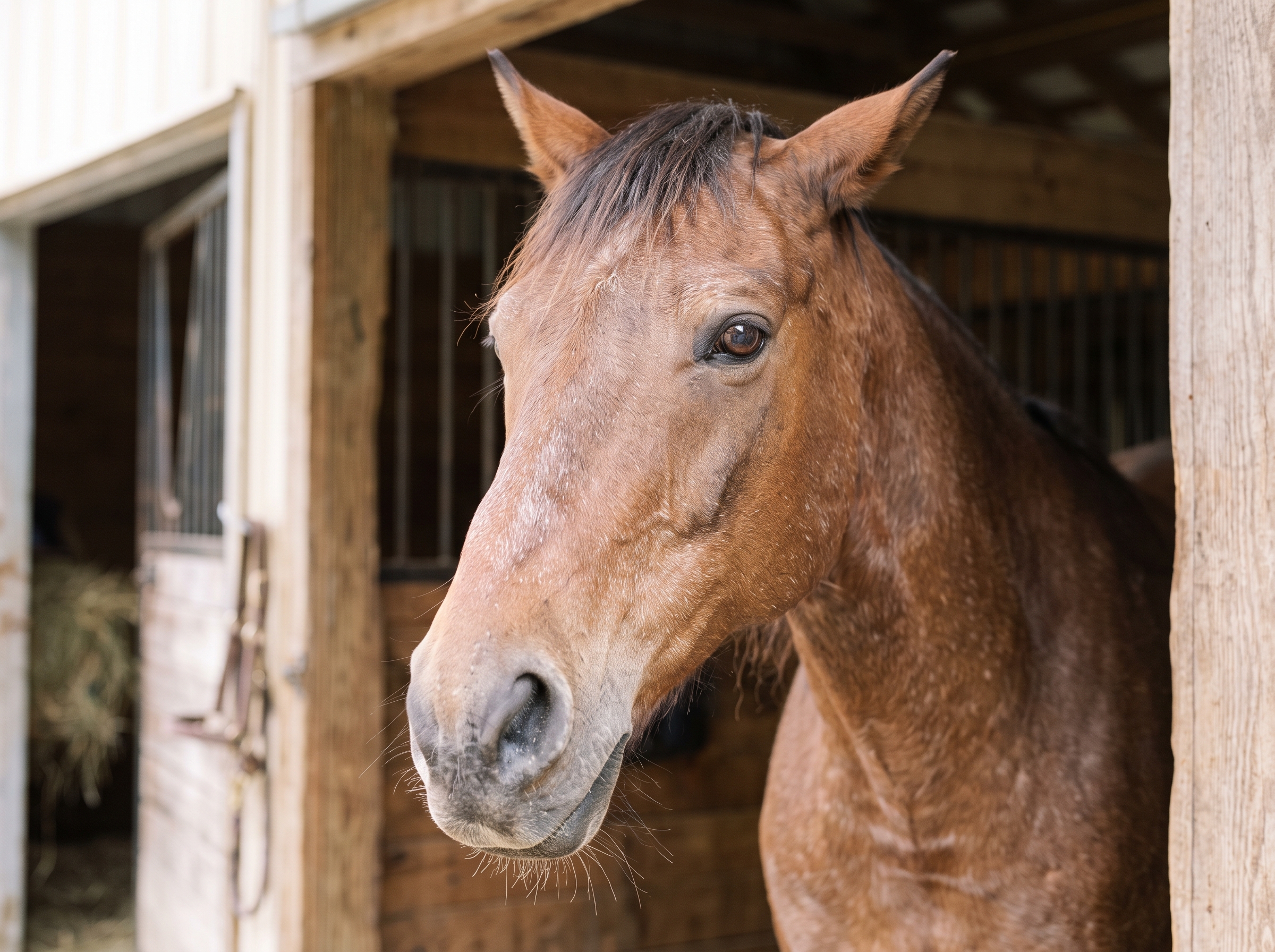
Look for an experienced "Schoolmaster": For your first horse, look for a seasoned horse between 10 and 17 years old. These horses have "been there, done that." They forgive beginner mistakes, stay calm when you lose your balance, and help you become a confident, independent rider.
2. Calculate the True Cost: Buying Is Cheap, Keeping Is Expensive
Many beginners make the mistake of exhausting their entire budget on the purchase price. In reality, the purchase price is merely the ticket to the show—maintenance is the real commitment.
Before making an offer, ensure your monthly budget can support:
-
Boarding / Livery: Full board, pasture board, and facility fees make up your largest recurring expense.
-
Routine Care: Farrier visits (trimming or shoeing every 6–8 weeks), regular deworming, annual vaccinations, and routine dental floats.
-
Emergency Vet Funds: Horses are notorious for minor cuts, abscesses, or medical emergencies like colic. Always keep a dedicated veterinary emergency cushion.
Tip: If ownership feels financially or logistically overwhelming, consider leasing or half-leasing a horse for 6 to 12 months first to test the routine.
3. Temperament Over Aesthetics: Brains Beat Beauty
It is tempting to fall in love with a striking coat color, a flowing mane, or impressive height. But when you are in the saddle, temperament is the only thing that keeps you safe.
Evaluate the horse's behavior on the ground before ever putting a foot in the stirrup:
-
Barn Manners: Does the horse greet you with forward-facing ears, or does it pin its ears, swish its tail, or turn its back?
-
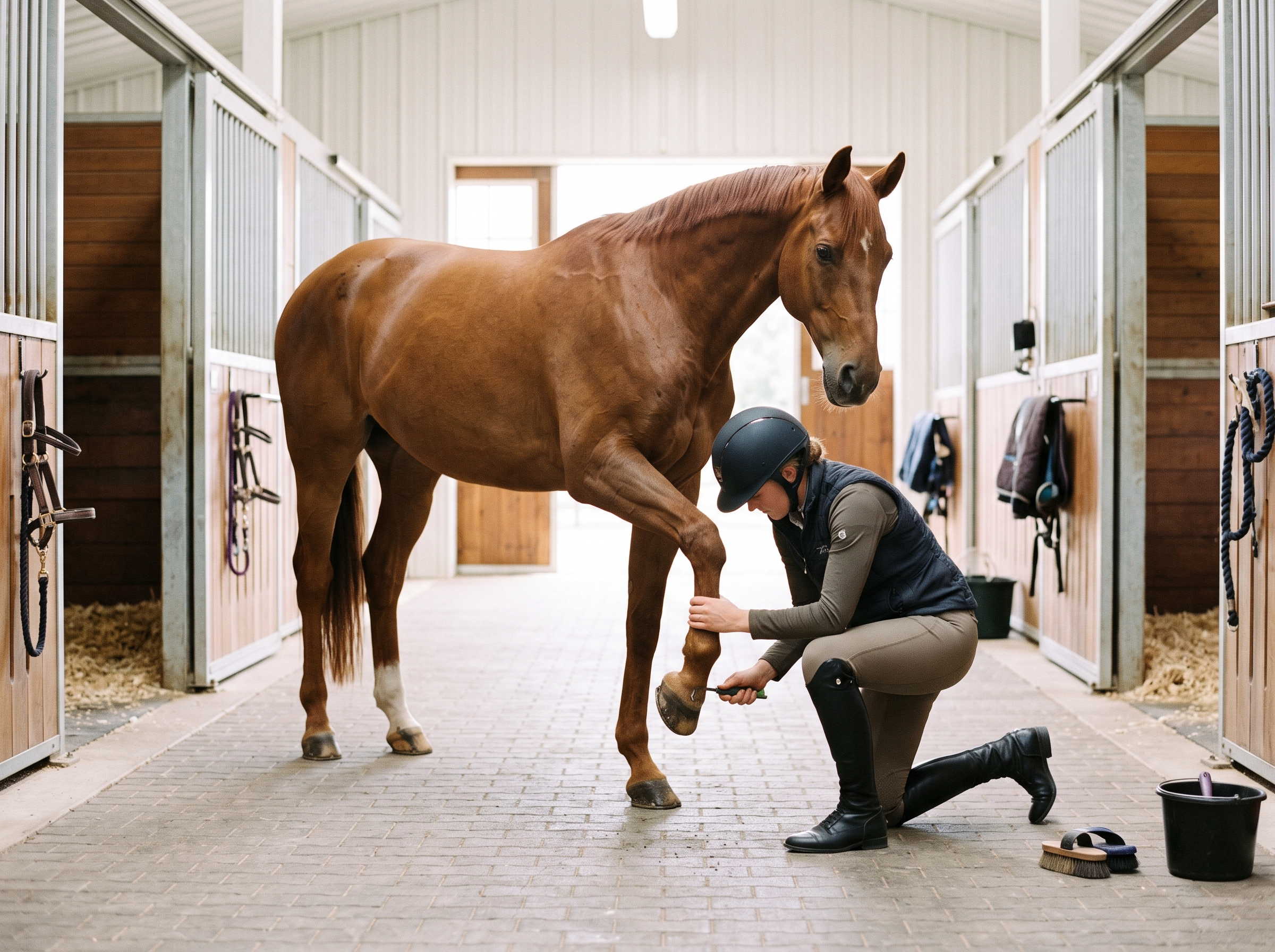
Ground Handling: Can you easily tie, cross-tie, brush, and pick up all four hooves? A safe horse respects your personal space and stands quietly.
-
Spook Factor: How does the horse react to unexpected sights and sounds—like a barking dog, an opening umbrella, or a fluttering tarp? A beginner needs a calm, level-headed horse that pauses and thinks rather than bolts.
4. Never Go Alone: Take Your Trainer
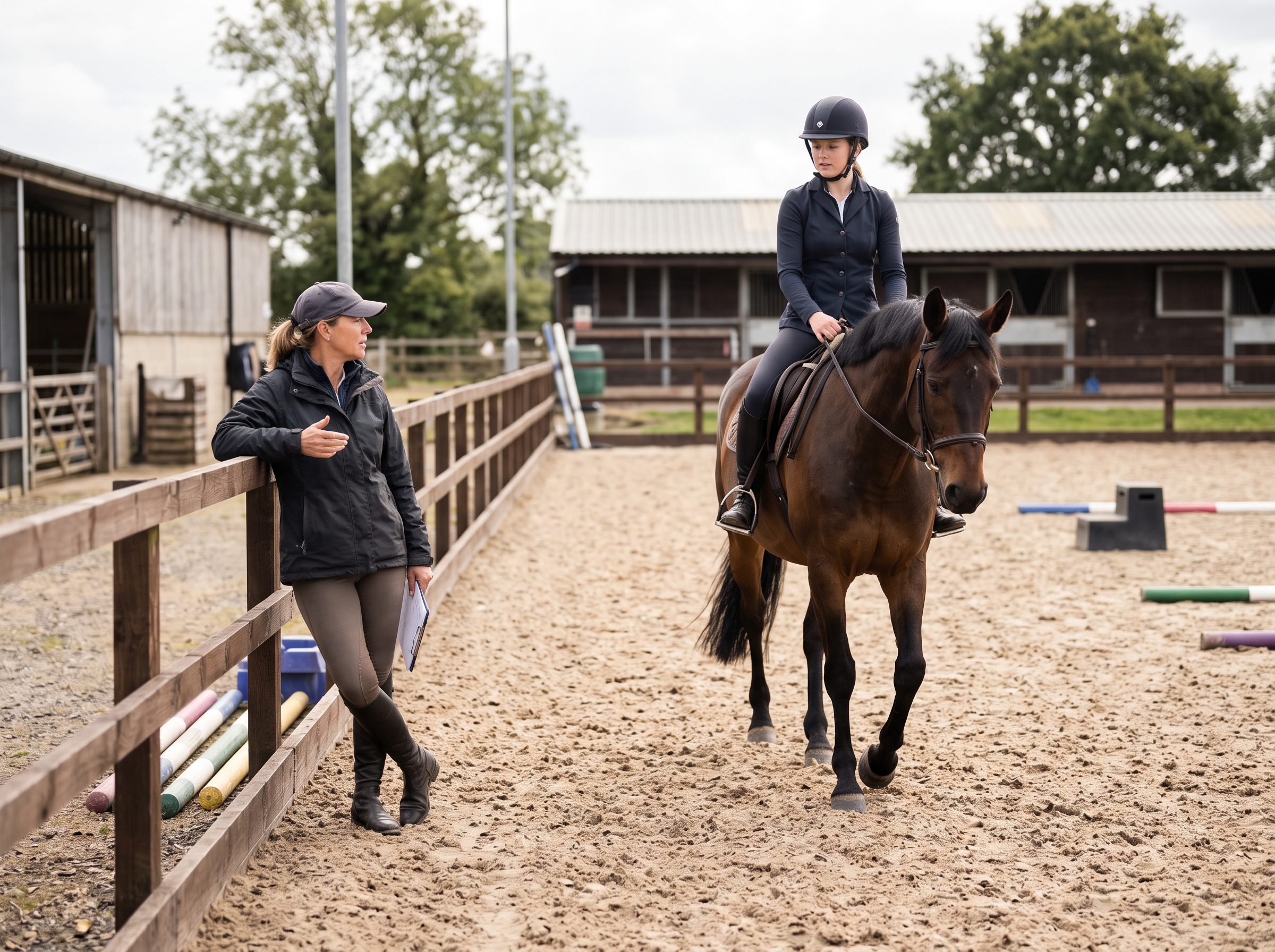
Never shop for a horse without your riding instructor or trainer. Sellers often present horses in the best possible light, and an untrained eye can easily miss subtle red flags.
Follow this trial riding checklist:
-
Watch the current owner ride first: See how the horse is tacked up, warmed up, and how it responds to the bit, leg aids, and transitions.
-
Have your trainer test ride: An experienced professional can instantly feel stiffness, resistance, mouth sensitivity, or hidden vices within minutes.
-
Ride the horse yourself: Pay attention to how comfortable and balanced you feel. If the horse’s trot or canter makes you tense or nervous, it is not the right mount for you right now.
5. Non-Negotiable: The Pre-Purchase Exam (PPE)
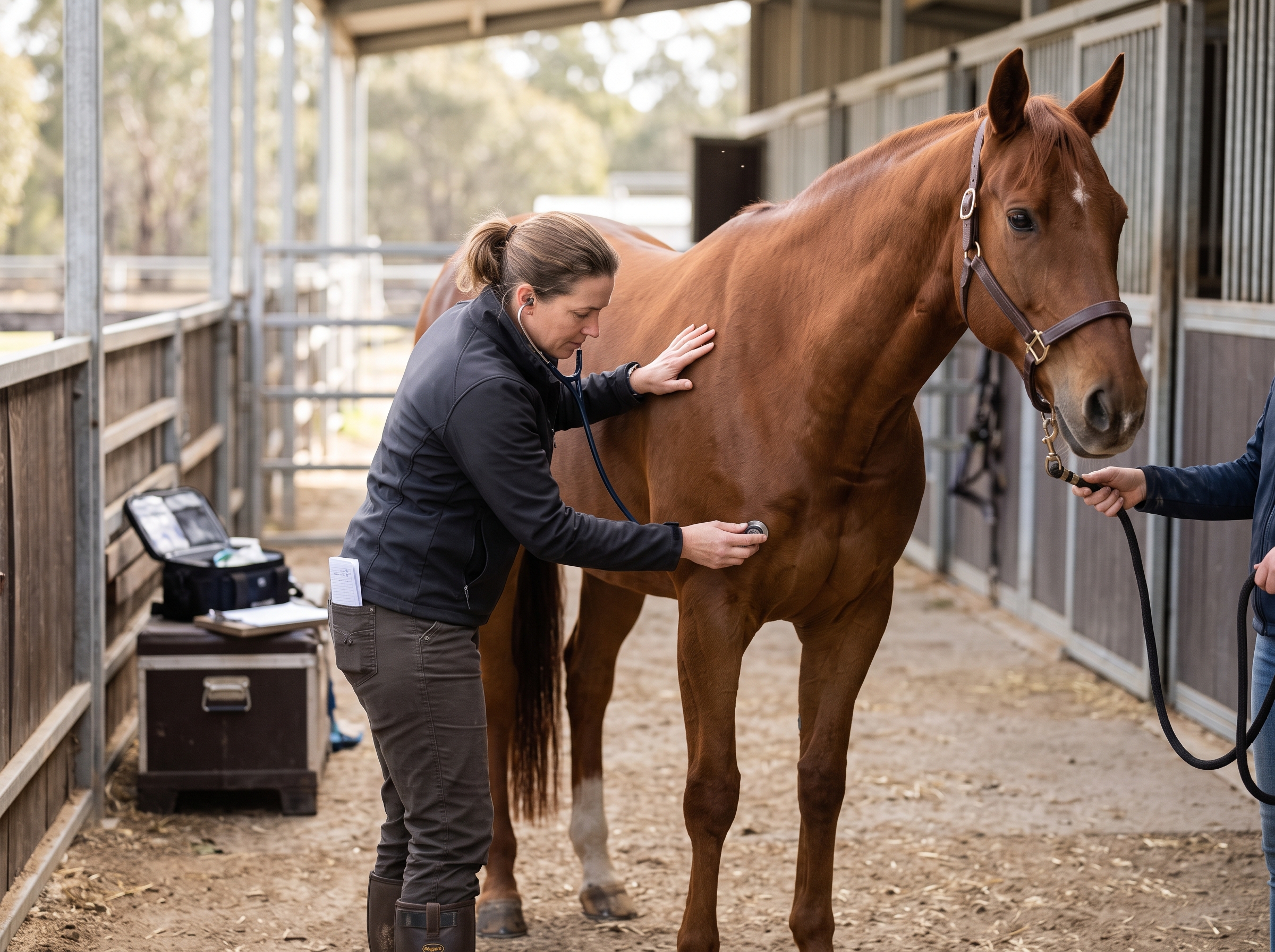
No matter how sound the horse looks or how friendly the seller seems, never skip a Pre-Purchase Exam (PPE) conducted by an independent equine veterinarian (one not affiliated with the seller).
The veterinarian will examine:
-
Eyes, Heart, and Lungs: Checking for chronic respiratory conditions (like heaves) and vision issues.
-
Flexion Tests and Gait Analysis: Bending joints to detect hidden lameness, arthritis, or uneven stride lengths.
-
Hoof Conformation: Inspecting hoof balance, wall health, and signs of chronic issues like founder or navicular problems.
Remember: A PPE is not a simple "pass/fail" test. It gives you an objective medical baseline so you know what ongoing maintenance or limitations the horse may have.
Beginner Horse Buying Checklist
-
❌ Don't: Buy an unbroken or green horse, choose based solely on color or breed pedigree, skip the vet exam, or buy sight unseen.
-
✔️ Do: Prioritize calm temperament, bring your trainer along, test ground manners thoroughly, and calculate ongoing board and veterinary costs upfront.