 -
-
Definition and Importance
Medical-grade silicone rubber is a class of polysiloxane elastomers engineered and processed to meet biocompatibility and regulatory requirements for human-body contact in medical devices and healthcare settings (ISO 10993-1; FDA 21 CFR Part 820).
In the silicone and rubber products ecosystem—spanning molded parts, foam cushioning, sewn assemblies, and OEM/ODM services—medical-grade silicone enables durable, sterile, and patient-safe solutions from prototyping through mass production.
Material Attributes
Core properties and compliance characteristics that make medical-grade silicone rubber suited for clinical use:
- Biocompatibility for mucosal, dermal, and (with specific formulations) implant contacts under standardized evaluation frameworks (ISO 10993-1; USP <88>).
- Chemical inertness and low extractables; suitable for repeated sterilization methods (steam, EtO, gamma) with minimal property drift (ISO 13485).
- Thermal stability (often −50°C to 200°C depending on formulation) and elastic recovery supporting tight-tolerance seals and valves.
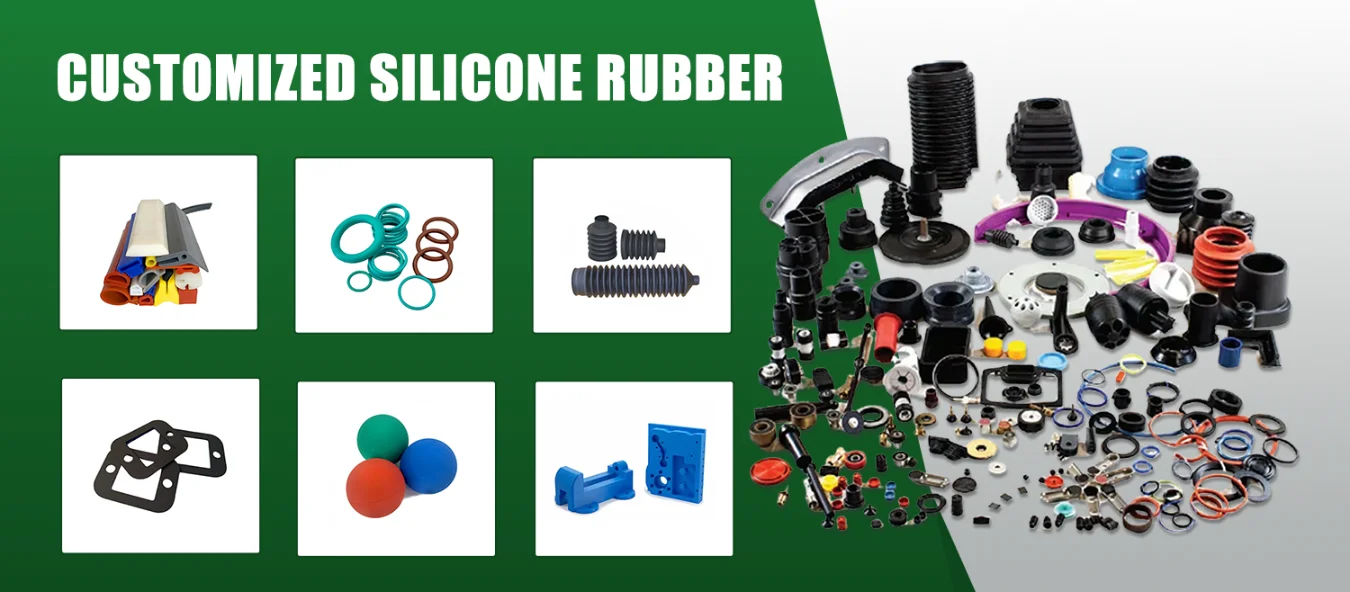
- Manufacturing-grade transparency and stability for sensors, catheters, and wearables; availability as Customized silicone rubber compounds to meet device-specific needs.
- Food-contact rubber compliance may be applicable for ancillary components under 21 CFR 177.2600 when appropriate to the use case.
Composition and Processing Steps
Typical Composition
Medical-grade silicone rubber formulations combine a base polymer with fillers, crosslinkers, and tightly controlled additives to achieve stable, biocompatible performance.
Processing Steps
Common production routes include LSR (liquid silicone rubber) injection molding and HCR (high-consistency rubber) compression/transfer molding. A typical LSR workflow:
Process validation and release should align with a device maker’s quality system under ISO 13485 and 21 CFR Part 820.
Common Types and Classification
Medical applications often select among LSR, HCR, and RTV systems based on viscosity, cure mechanism, and device geometry.
Nomenclature and classification follow established rubber standards frameworks (see ASTM).
Value and Significance
Medical-grade silicone’s stability, sterilizability, and design flexibility reduce device risk, simplify assembly, and extend service life—especially for seals, tubing, and soft interfaces. For regulated production, aligning materials and processes with ISO 13485 and the EU’s MDR framework supports audit-ready traceability and post-market quality systems.
Applications in Healthcare Manufacturing
 -
-
Typical applications span catheter components, soft-touch wearable enclosures, pump diaphragms, syringe stoppers, wound-care dressings, and sensor encapsulation. In integrated manufacturing settings, silicone parts interface with foam cushions and sewn textiles for patient comfort and device ergonomics (ISO 10993-1).
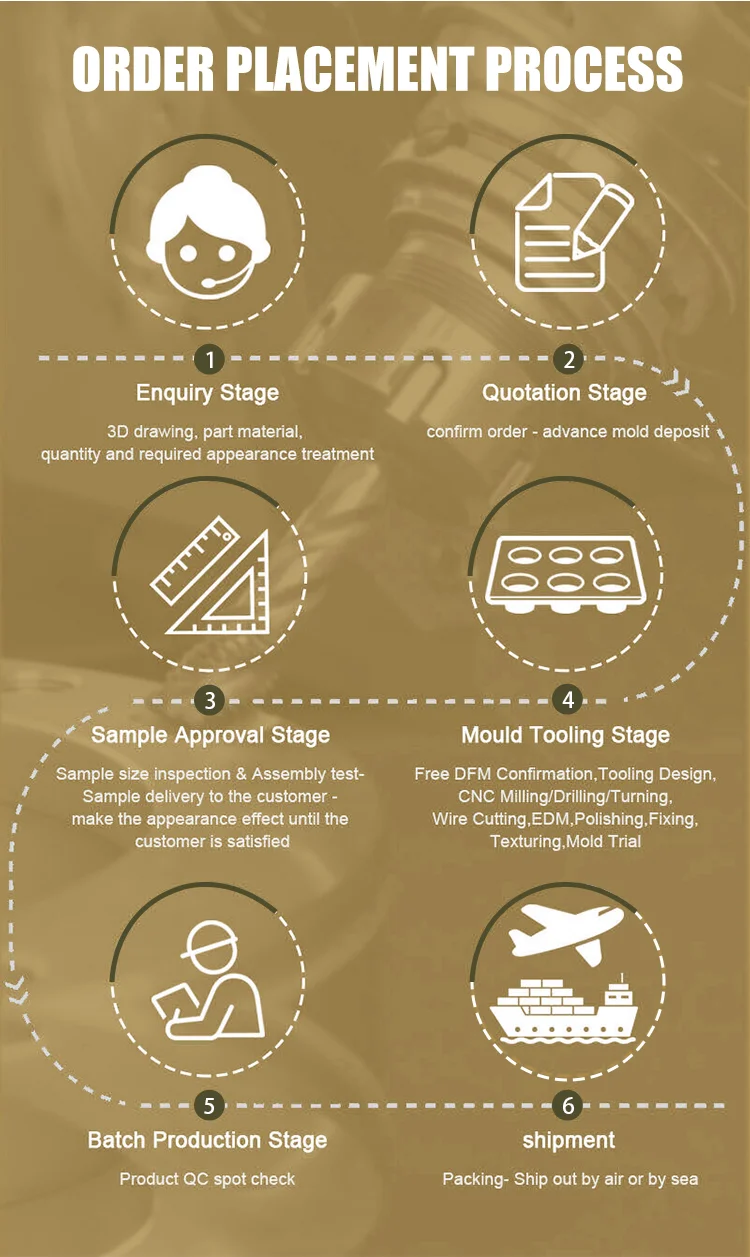
For OEM/ODM projects, teams specify biocompatible compounds, qualify tooling, and validate sterilization and packaging under a documented quality system (21 CFR Part 820). This is where Customized silicone rubber and selectively engineered other rubber products converge to meet clinical performance and regulatory expectations.
Related & Extensions
To explore silicone grades, sterilization compatibility, or regulatory pathways for your device, contact our materials specialists for an in-depth consultation.
In the silicone and rubber products sector, Dongguan Silicon Chain New Material Technology Co.,Ltd supports device makers and industry audiences through turnkey OEM/ODM services—delivering Customized silicone rubber components and selectively engineered other rubber products that align with ISO 10993 screening and ISO 13485-compliant documentation.
Common Questions
Q: Is USP Class VI certification the same as meeting ISO 10993 requirements?
A: No. USP <88> Class VI verifies in vivo biological reactivity per pharmacopeial tests, while ISO 10993 is a comprehensive, risk-based framework for biological evaluation across device categories and durations (USP; ISO 10993-1).
Q: Can any LSR formulation be used for long-term implants?
A: No. Long-term implantable materials require tailored formulations and extensive testing under ISO 10993 (including chronic toxicity, implantation, and systemic endpoints), supported by a device maker’s quality system under 21 CFR Part 820.