What Causes Girth Galls — And How Silicone Horse Tack Prevents Them
A vet-reviewed guide for horse owners.
What Is a Girth Gall?
A girth gall (also called a 'cinch sore' or 'Girth Galls' in technical literature) is a skin lesion, abrasion or blister in the region where the girth contacts the horse's body — typically behind the front legs. In mild cases it's a hair loss patch; in severe cases, it's an open sore that can force weeks of rest and becomes chronic if not treated properly.
The Four Root Causes
1.Friction from seams and edges. Sewn or seamed girth construction creates friction lines that abrade skin over long rides. 2. Chemical residue from leather conditioners. Saddle soap, neatsfoot oil and glycerin-based conditioners can penetrate micro-cracks in skin, triggering dermatitis. 3. Trapped sand and sweat. Porous materials (leather, nylon webbing) accumulate grit that acts like sandpaper during movement. 4. Pressure-point concentration. A girth that's too narrow, too tight, or mis-positioned creates localised pressure that breaks skin surface.
Prevention Protocol
Material choice. Switch to a seamless, one-piece moulded silicone girth. Silicone eliminates three of the four root causes simultaneously. Cleaning discipline. Rinse the girth after every ride — even a 30-second rinse removes 95% of sweat salts. Pressure distribution. Use a girth wide enough for the horse's body width; check fit every 6 months as horses change shape seasonally. Pre-ride checks. Palpate the girth area before tacking up; if the horse flinches, skip the ride and investigate.
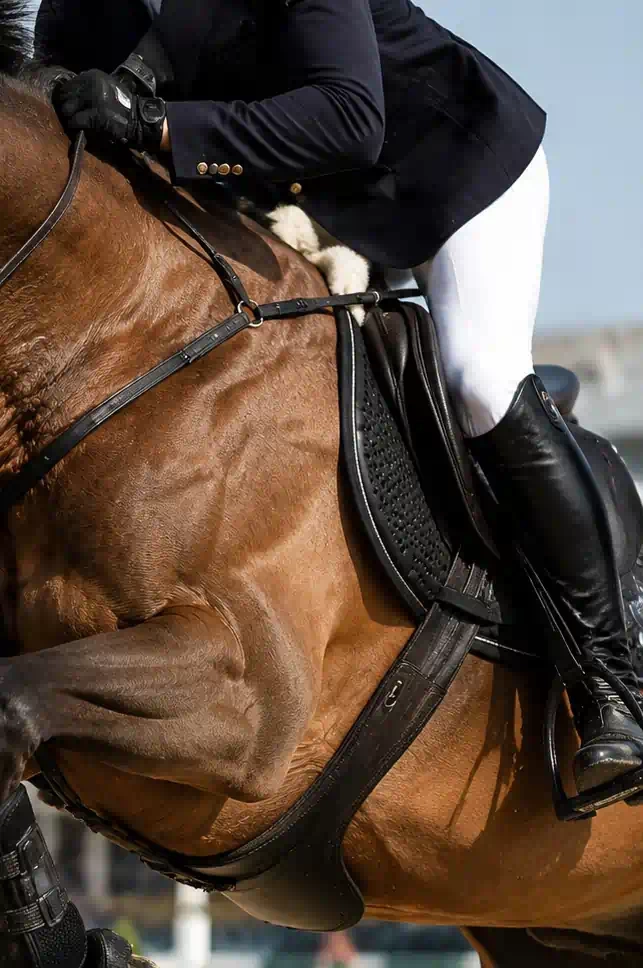
Rubbrex's Material-Level Solution
All four root causes collapse to one fix: change the material. Rubbrex silicone girths are moulded in a single seamless piece from food-grade silicone — the same purity standard used in baby pacifiers and medical infusion sets. No seams to abrade. No pores to trap sand or sweat. No leather conditioners to leach into skin. The girth's ultra-smooth surface moves with the horse instead of against it — removing three of the four gall-causing variables in a single product choice. Pair the girth with a Rubbrex silicone saddle pad for a complete seam-free girth-region interface.

Recovery Timeline
Mild gall (hair loss only): 3-7 days rest with topical antiseptic. Moderate gall (superficial abrasion): 2-4 weeks rest + daily cleaning + silicone girth transition. Severe gall (open sore / chronic): 4-8 weeks rest + vet consultation + systemic treatment + silicone transition. Chronic cases that don't respond within 8 weeks warrant full diagnostic workup for underlying dermatological conditions.
Early Warning Signs
Hair Loss Patches
Circular or linear hair thinning in the girth area — visible before open sores.

Pink or Raw Skin
Skin surface looks darker, pinker or moist — early inflammation.
Sensitive to Touch
Horse flinches when you palpate the girth area off the saddle.

Girthy Behaviour
Horse becomes reluctant to be tacked up, nips, or pins ears when girth is tightened.
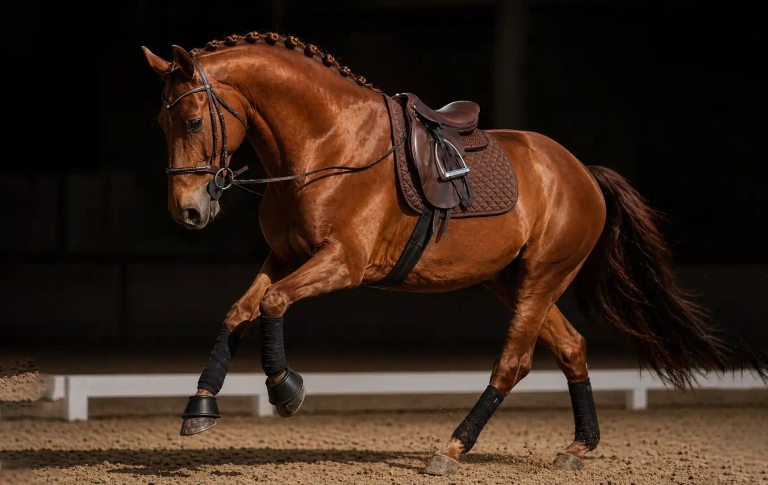


Download the Full 30-Page Girth Galls Prevention Guide.
Vet-reviewed, free, no email required for basic download.