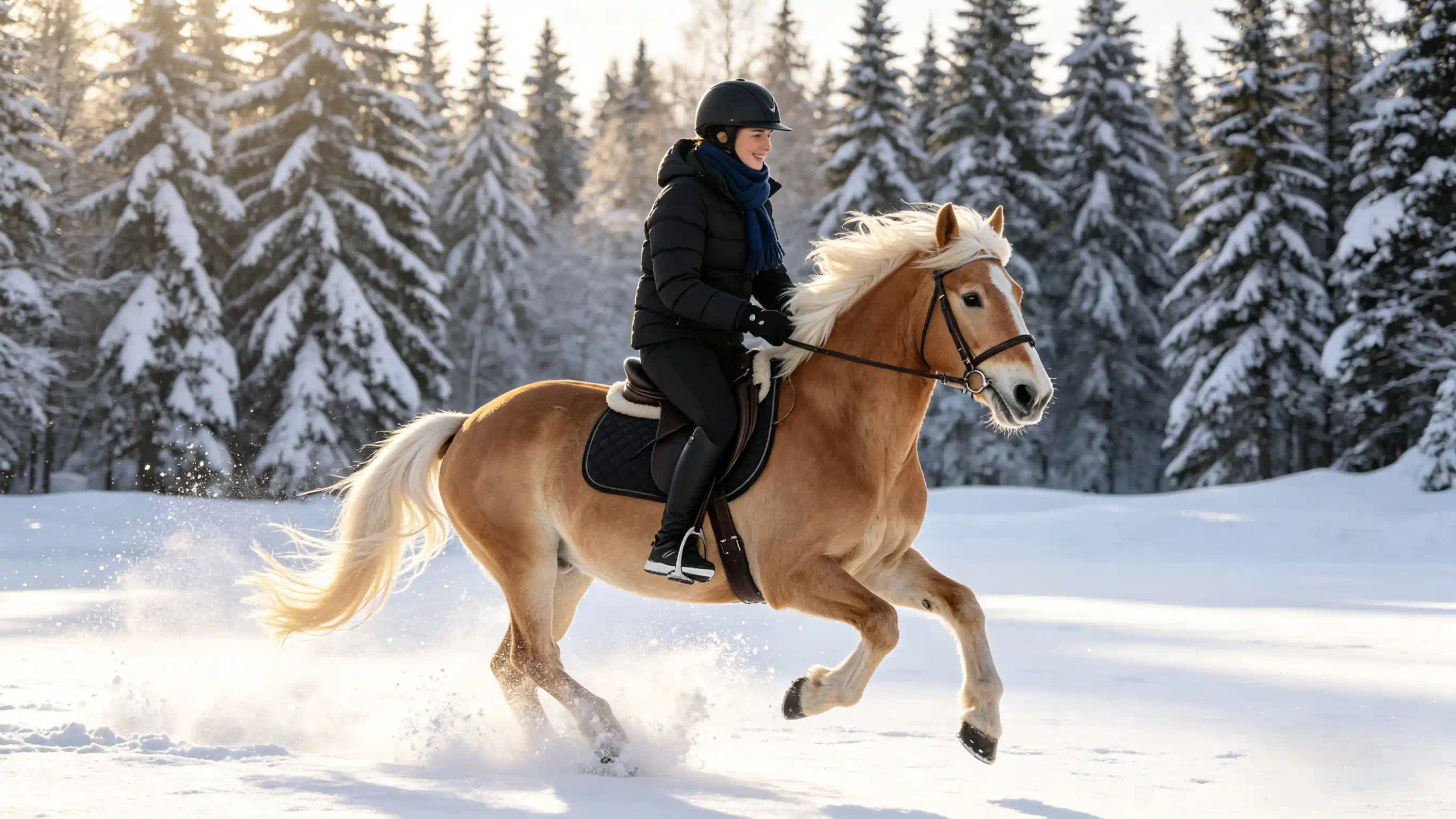
Silicone Horse Tack for Cold Climate Riding — Stable to -30℃
Built for the Nordic winter.
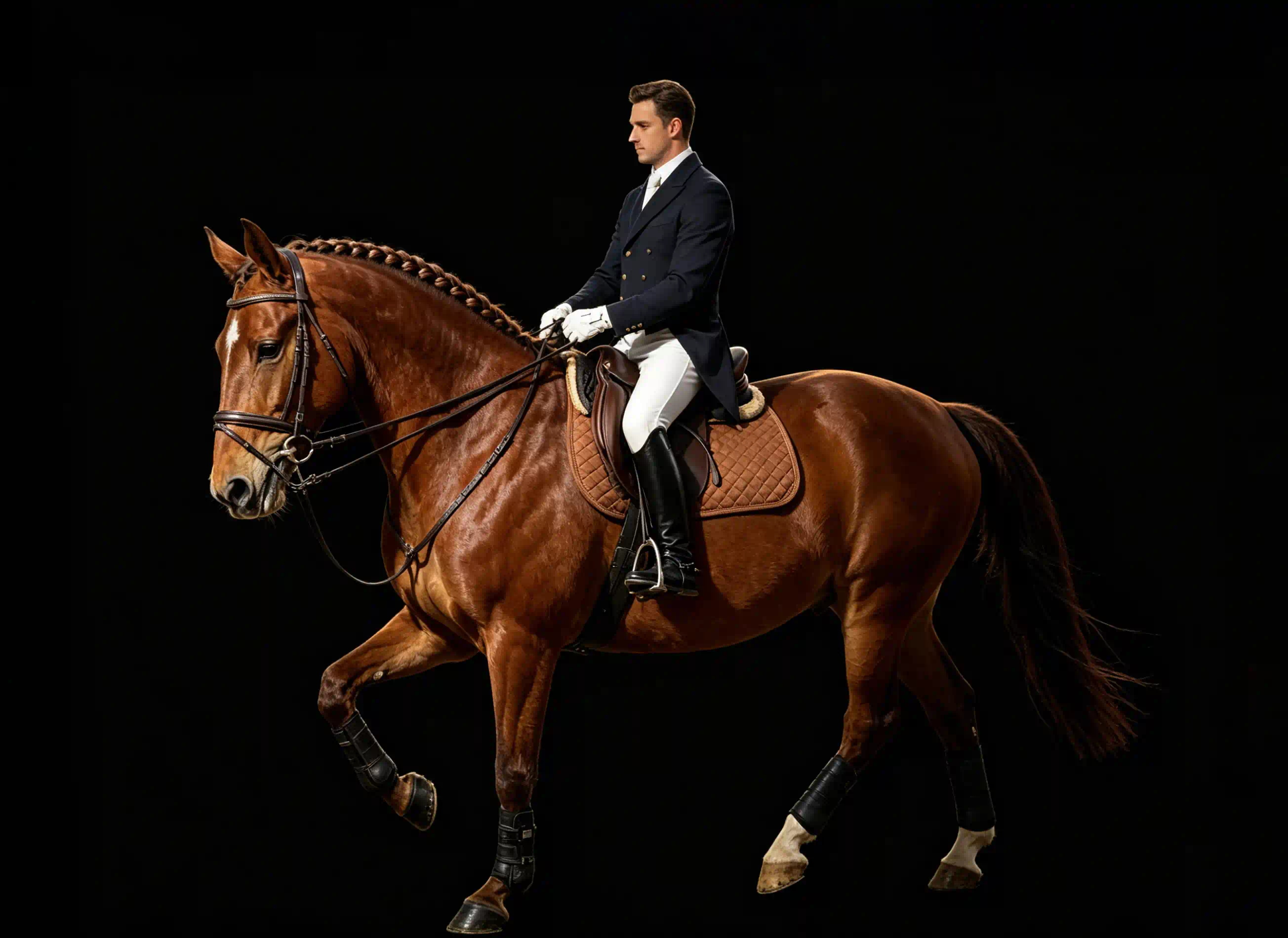
You live in Stockholm, Oslo, or Helsinki. Your arena is outdoor. Winter temperatures sit at -20℃ for three months, dip to -30℃ for weeks at a time. Every ride reveals leather's Achilles heel: the fibres stiffen, the conditioner freezes, the tack cracks on hardware edges. Riders have adapted by just... not riding in January and February. That's a quarter of the year lost. Silicone changes that.
Cold-Climate Engineering

Operating Range -30℃ to +260℃
No brittleness transition point within human-habitable temperatures.

No Freezing of Surface Moisture
Hydrophobic silicone surface sheds water before it can freeze into ice crystals.

Flexible From First Use
No 'warming-up' period — the tack feels the same at -20℃ as at +20℃.

No Conditioner Dependency
Leather needs warm oils that freeze in winter; silicone needs nothing.

Sweden is Rubbrex Equestrian's most strategic launch market. The Nordic rider community is tight-knit, welfare-focused, and used to importing tack from the UK and Germany. A Europe-tuned silicone brand with cold-climate-specific positioning has never existed — that's the opening Rubbrex fills. Swedish distributors and pro riders benefit from priority inventory allocation, Nordic-language packaging and locally-run winter testing sessions.
Cold-Climate Kit
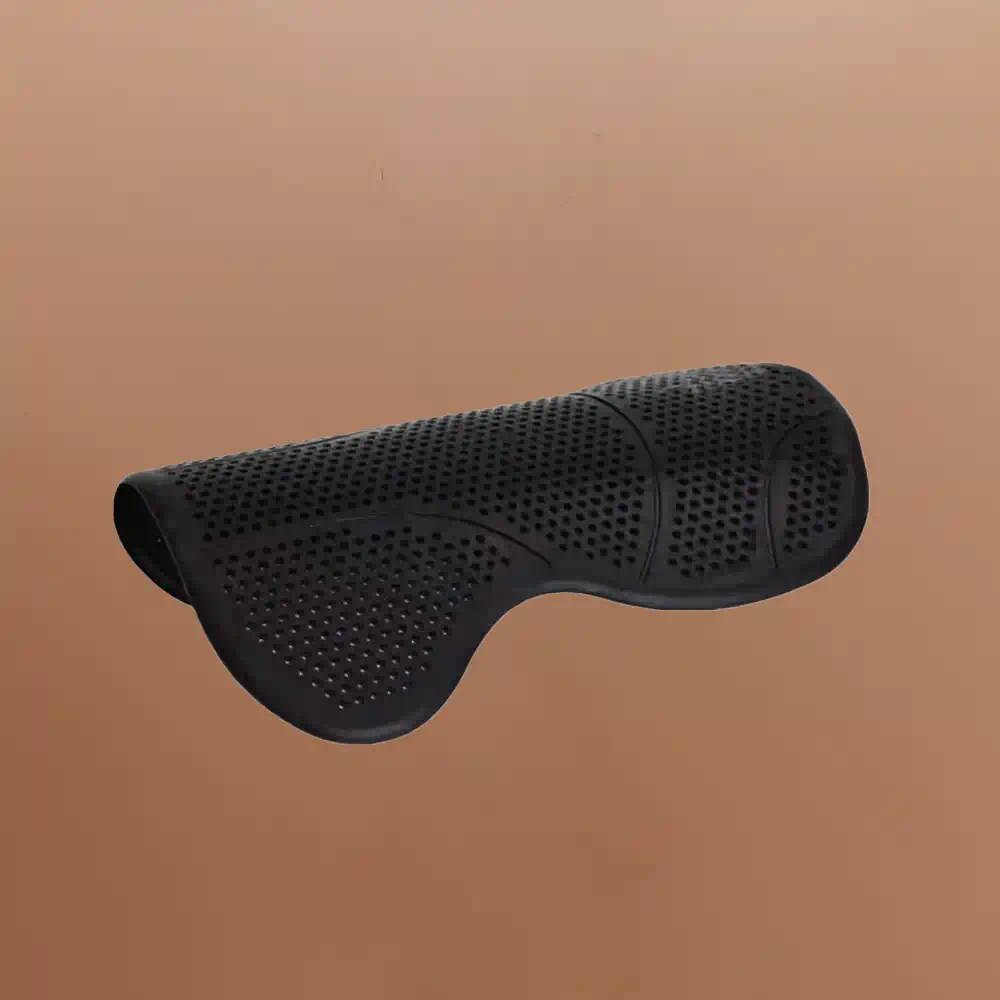
Silicone Saddle Pad
Continue Your Research


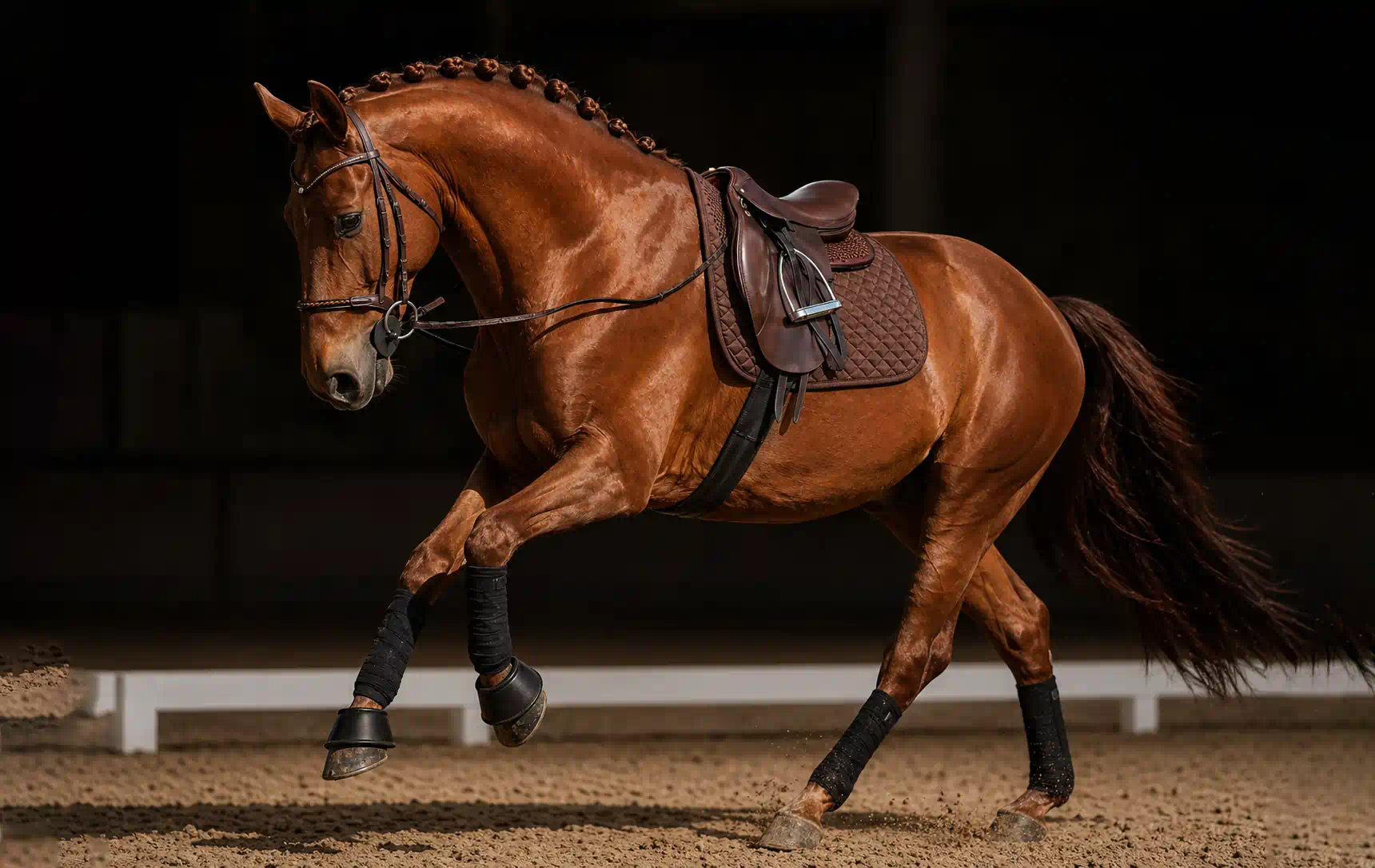

Nordic Winter Is No Longer a Riding Off-Season.
Request Nordic-optimised samples for your stable or shop.