
Your brand. Silicone & multi-material tack.
Private-label horse tack, made for your brand.
Choose catalogue models, then define the colours, logo and retail pack that belong to your range. Direct supply from Dongguan, China.
A range with your identity
Start with the product. Make the details yours.
A recognisable range starts with a selected model. Keep colour, marking and packaging connected to that product, from the first brief to a repeat order.
Colour
Set a physical reference for the selected silicone part.
Logo
Agree the artwork, position and marking method.
Retail pack
Define contents, language versions and label ownership.
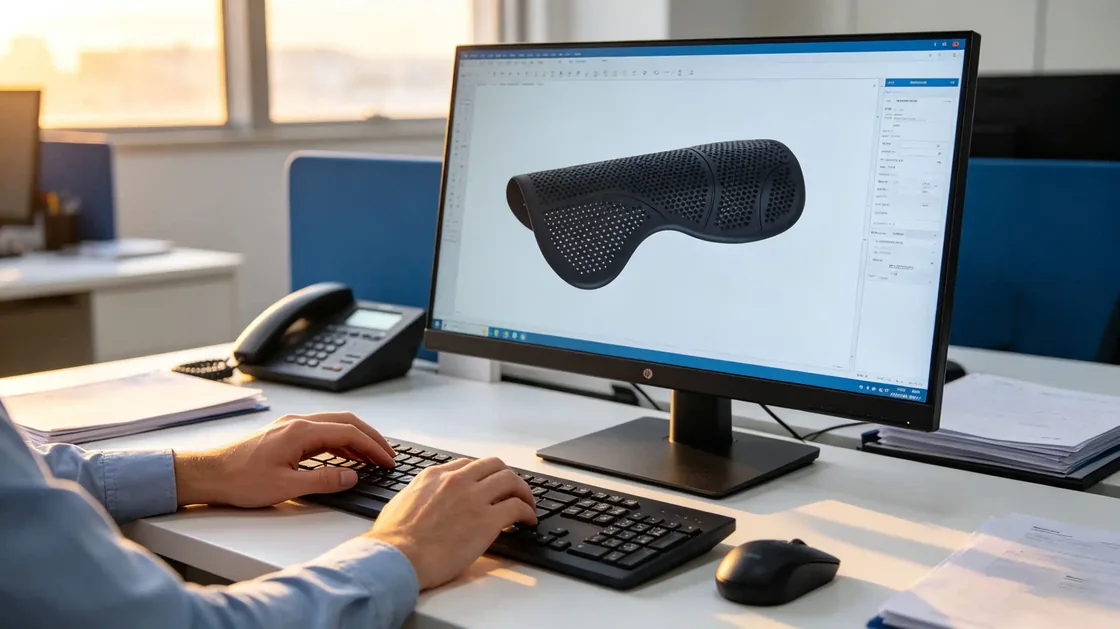
Selected silicone tack
Choose the base for your branded range
Catalogue examples for an enquiry. Confirm the actual variant and branding scope; these photographs do not show a completed private-label pack.
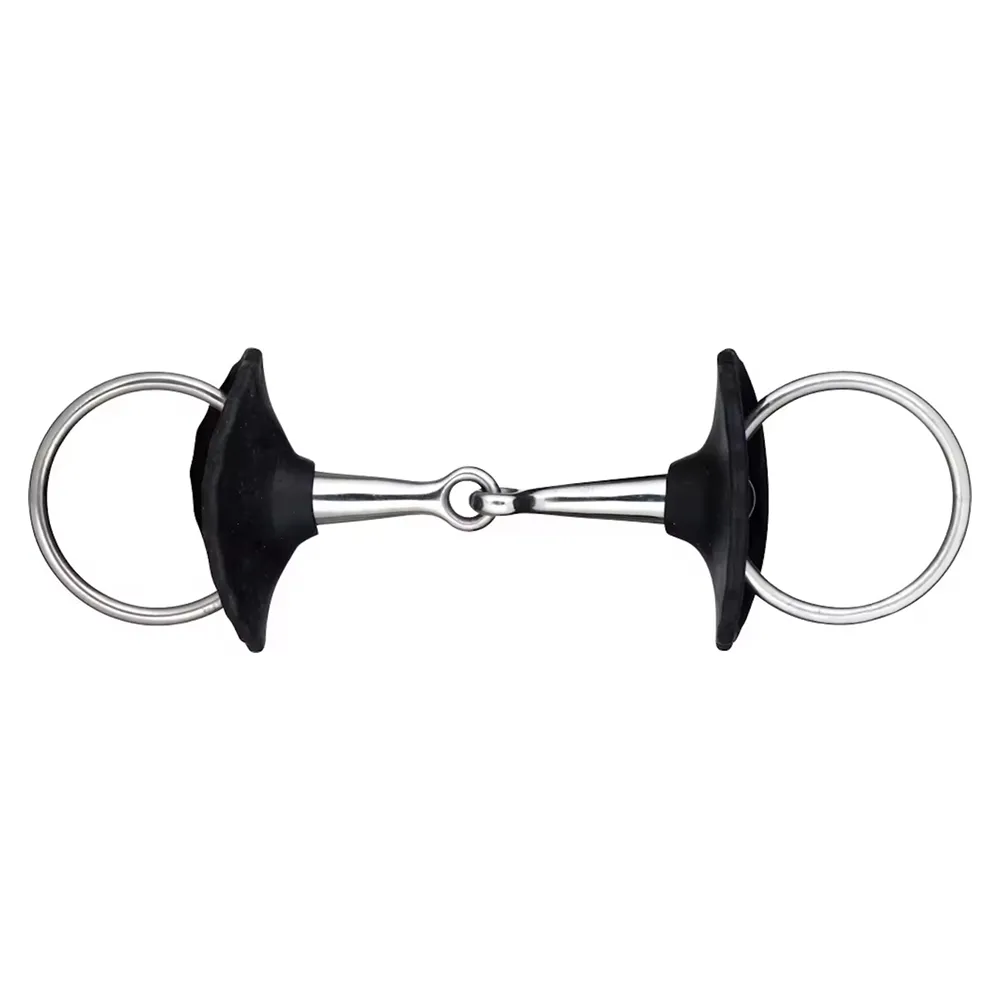
SC-SBG-01
Silicone Bit Guards
Choose the selling unit and the position of any proposed mark before approving a branded pack.
Compare the range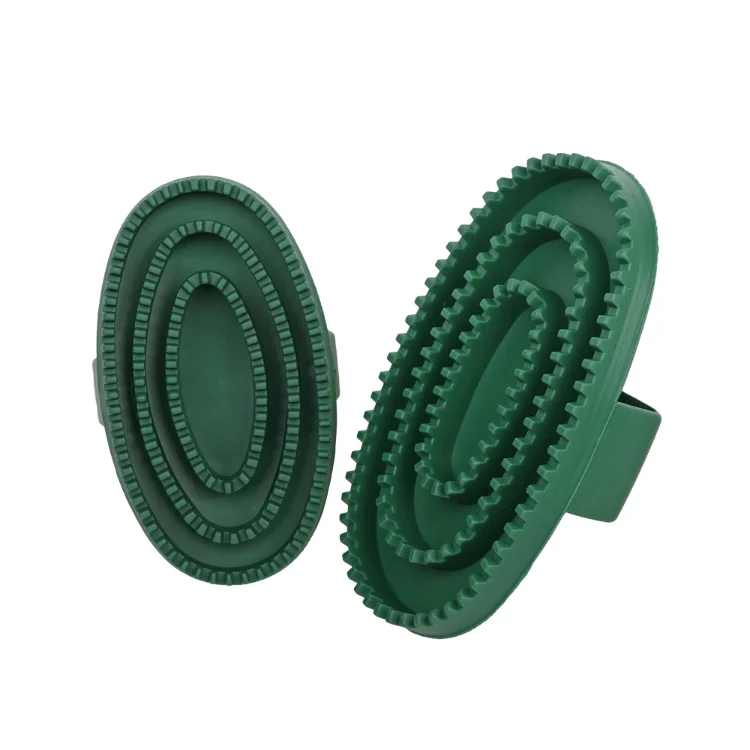
SC-SGB-01
Silicone Grooming Brush
Define the colour reference, usable logo area and the retail presentation for the selected brush.
Compare the range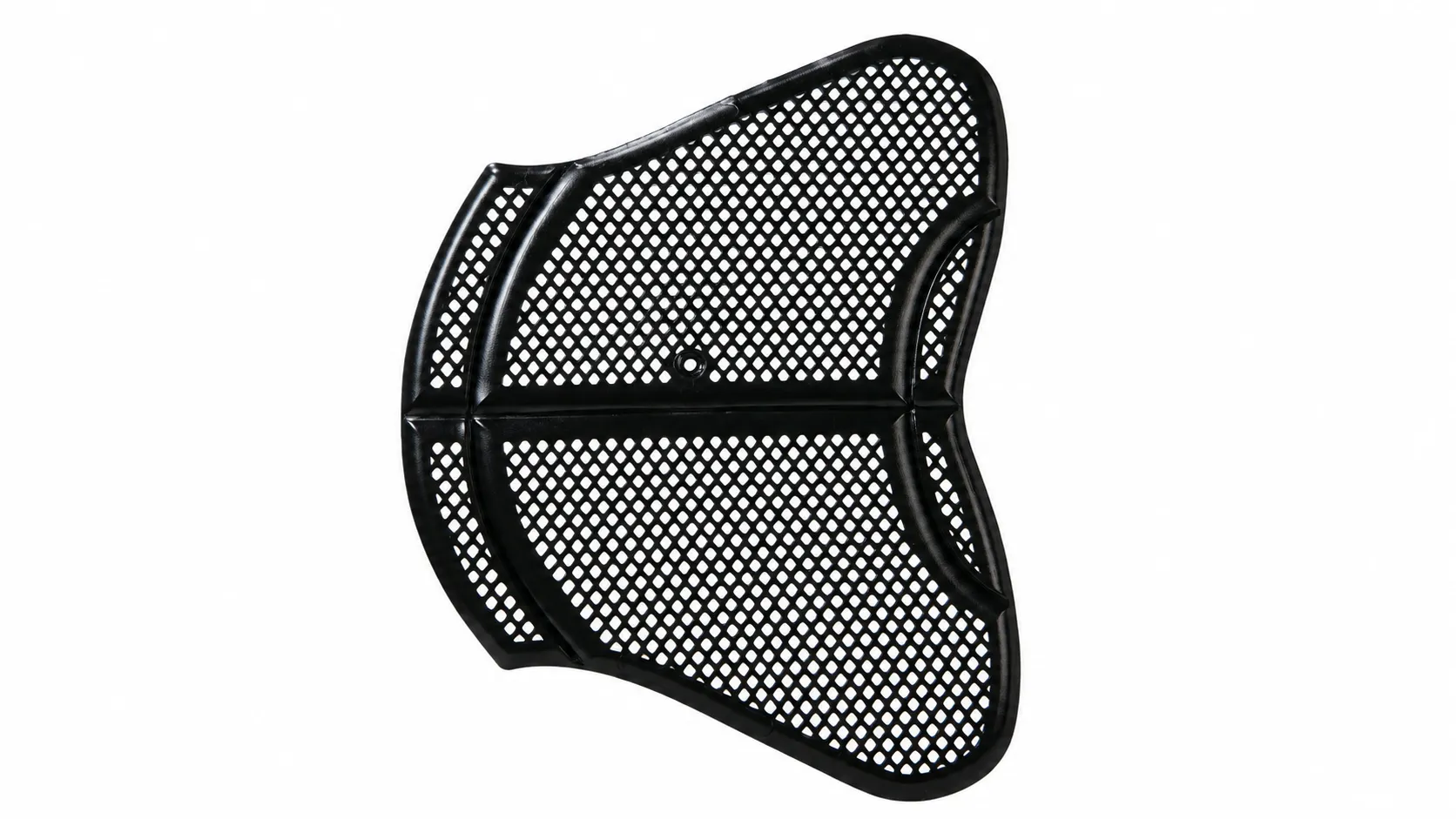
SC-SSP-01
Contoured Silicone Saddle Pad
Identify the model, construction and label attachment before setting the branded range.
Compare the rangeFor bit guards, confirm the supplied components and whether the selling unit is a piece, pair or pack. The photographed metal bit is not a packing list.
From range to repeat order
Give every brand decision a clear next step.
01Range
Choose the base before briefing the brand
Start with catalogue models and show which details remain standard.
- List model, size and colour allocation per selling unit.
- Name sales countries and retail channels; flag proposed construction changes.
Keep: Assortment and variant list · Written scope for samples, quantities and quotation
02Colour
Keep the reference attached to the product
Use an identified material sample to discuss the intended appearance.
- Supply the physical reference and finish brief.
- Record which component and version the colour decision covers.
Keep: Colour reference and sample identity · Open questions and agreed comparison conditions
03Proof
Review the mark and the populated retail pack
Check artwork, packaging contents and label data together without merging their approvals.
- Confirm logo placement and the actual marking method.
- Review final language versions and variable-data fields with the named owners.
Keep: Artwork revision and physical proof decision · Pack contents and label-data responsibility record
04Release
Order and repeat the accepted configuration
Bring the product, colour and pack references into the accepted order.
- Agree model-specific minimums, costs, readiness and shipment terms.
- Identify how future changes and superseded packaging will be handled.
Keep: Accepted branded configuration and order lines · Reorder revision and change-control record
Keep the details clear
Colour, artwork and packaging
Colour
Set a reference for the actual material
- Name the physical colour reference, intended finish and product component.
- Review the silicone part and any printed packaging as separate surfaces, rather than accepting a screen image for both.
Mark
Give the logo a place and a version
- Discuss silicone embossing or screen printing for the selected model; provide artwork, dimensions and position.
- Agree how the method affects the local surface and what the sample must show. A catalogue photograph is not a branded proof.
Pack
Make the retail unit unambiguous
- Define piece, pair or pack contents, required label languages and the supplied care information.
- Discuss branded boxes or care hangtags; identify who checks product claims, identifiers and final wording for the intended market.
Catalogue branding or a change to the product design?
A new logo, a new pack and a new construction need different reviews. Compare the project scope before requesting a quotation.
| Decision | Catalogue selection | Branding the selected product | Changing the product design |
|---|---|---|---|
| Starting point | An identified model and construction. | The same selected model, with agreed colour, mark and pack changes. | A proposed change to shape, assembly, material or function. |
| Buyer inputs | Model, variant, selling unit and intended market. | Physical colour reference, usable artwork, mark location and packaging brief. | Drawings, sample or development brief identifying the required change. |
| Separate decisions | Whether the product fits the proposed range. | Whether the branded physical sample and pack represent the accepted version. | Whether an engineering/OEM or ODM review is needed before quoting. |
| Commercial scope | Quantities and availability for each order line. | Marking setup, sample, pack and production terms for that configuration. | Development, tooling and rights agreed separately from catalogue branding. |
Changes to geometry or assembly need a separate engineering review. For your own design, discuss OEM or ODM development. For regional stock and shipment responsibilities, review the distributor program.
Useful reading
Prepare the colour and pack decisions
Before the enquiry
Before you release your own-brand order
Can a logo request give our brand exclusive rights to a catalogue design?
No design exclusivity is established by adding a logo to an existing product. Identify the artwork rights you control and agree any design, tooling or market rights separately in writing; a branding quotation is not an intellectual-property assignment.
Does a catalogue product mean branded stock is ready to dispatch?
No. Model selection, colour allocation, marking and packaging still need an agreed scope and availability check. Confirm sample requirements, quantities, production readiness and shipment arrangements for the actual order rather than treating a catalogue image as stock confirmation.
Will a material report automatically carry our finished-product brand claim?
A report covers its identified subject and scope. Match the supplied material or product, version and report details before using a claim; a logo change or a client-headed document does not create new finished-product certification.
Silicon Chain · Private-Label Brand
Your next range starts with a clear brief.
Share the products, quantities and brand details you have in mind. We will discuss sample scope and quotation requirements for that configuration.
View all customer programs