
For tack shops and online retailers
Wholesale horse supplies, chosen for your shop.
Build an assortment of silicone and multi-material horse tack and grooming accessories with clear selling units, small-batch replenishment options and product data. Direct from Dongguan, China.
From catalogue to counter
A considered range. A clearer shelf.
Give every selected product a place in your assortment. Start with the customer task, then connect the actual variant to its listing and stock record.
Select the range
Choose models around your customers and shop channels.
Prepare the listing
Match product images, variants and supplied contents.
Plan replenishment
Review actual sales, sellable stock and incoming orders.
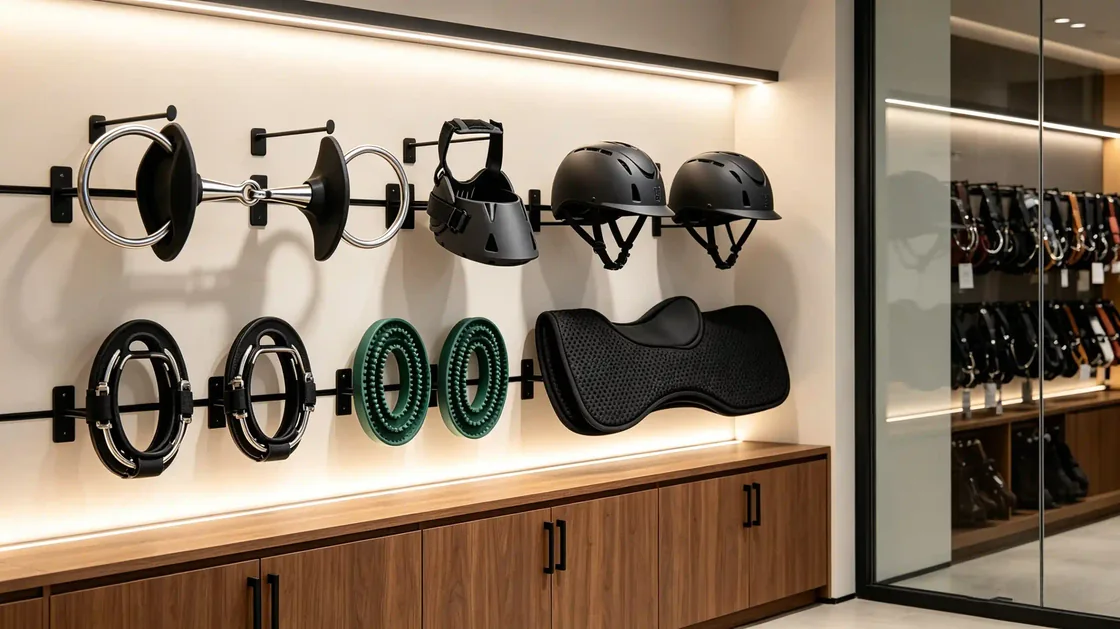
Selected silicone tack
Build your first buying list
Start with identifiable selling lines. Discuss quantities and commercial terms for the exact models and variants your shop needs.
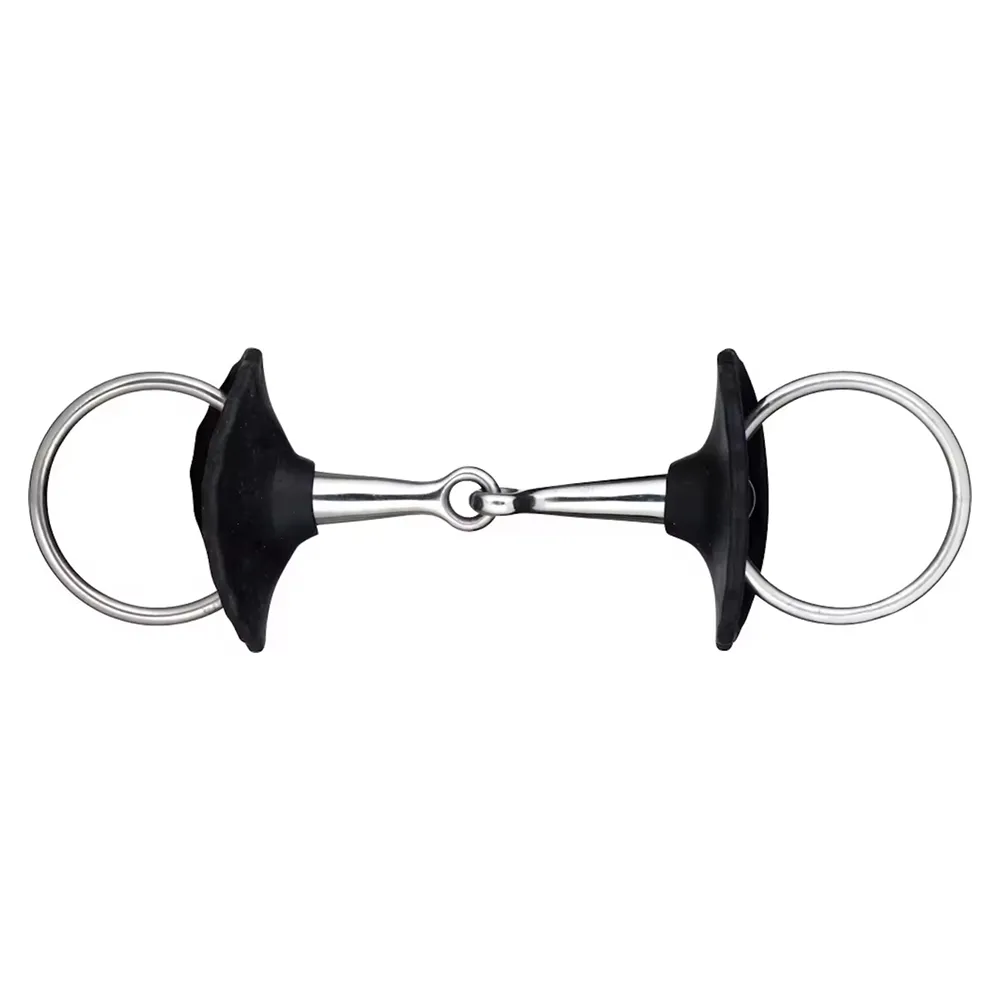
SC-SBG-01
Silicone Bit Guards
Make piece, pair and supplied contents clear on the shelf and in the web listing.
Compare the range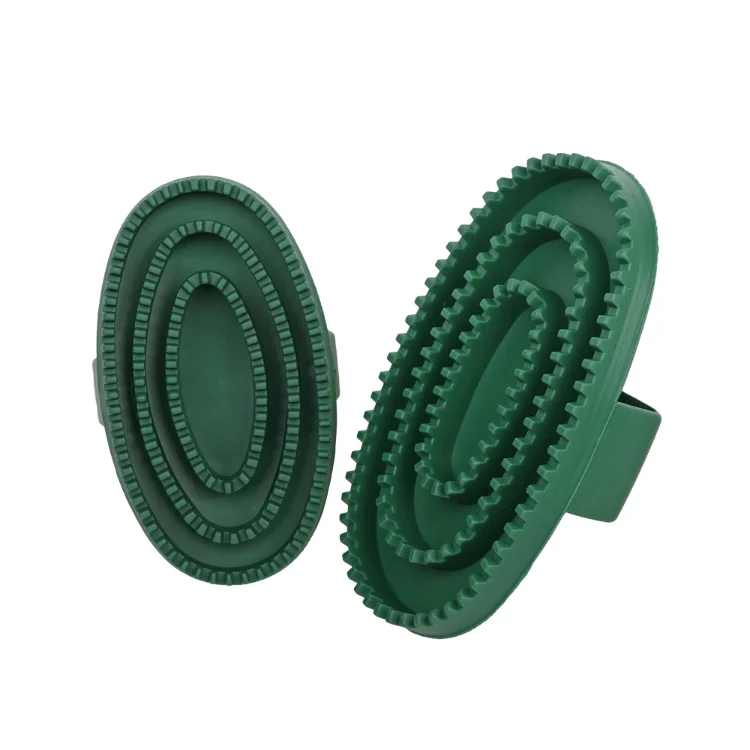
SC-SGB-01
Silicone Grooming Brush
Keep the brush model, colour option and product image together in your catalogue.
Compare the range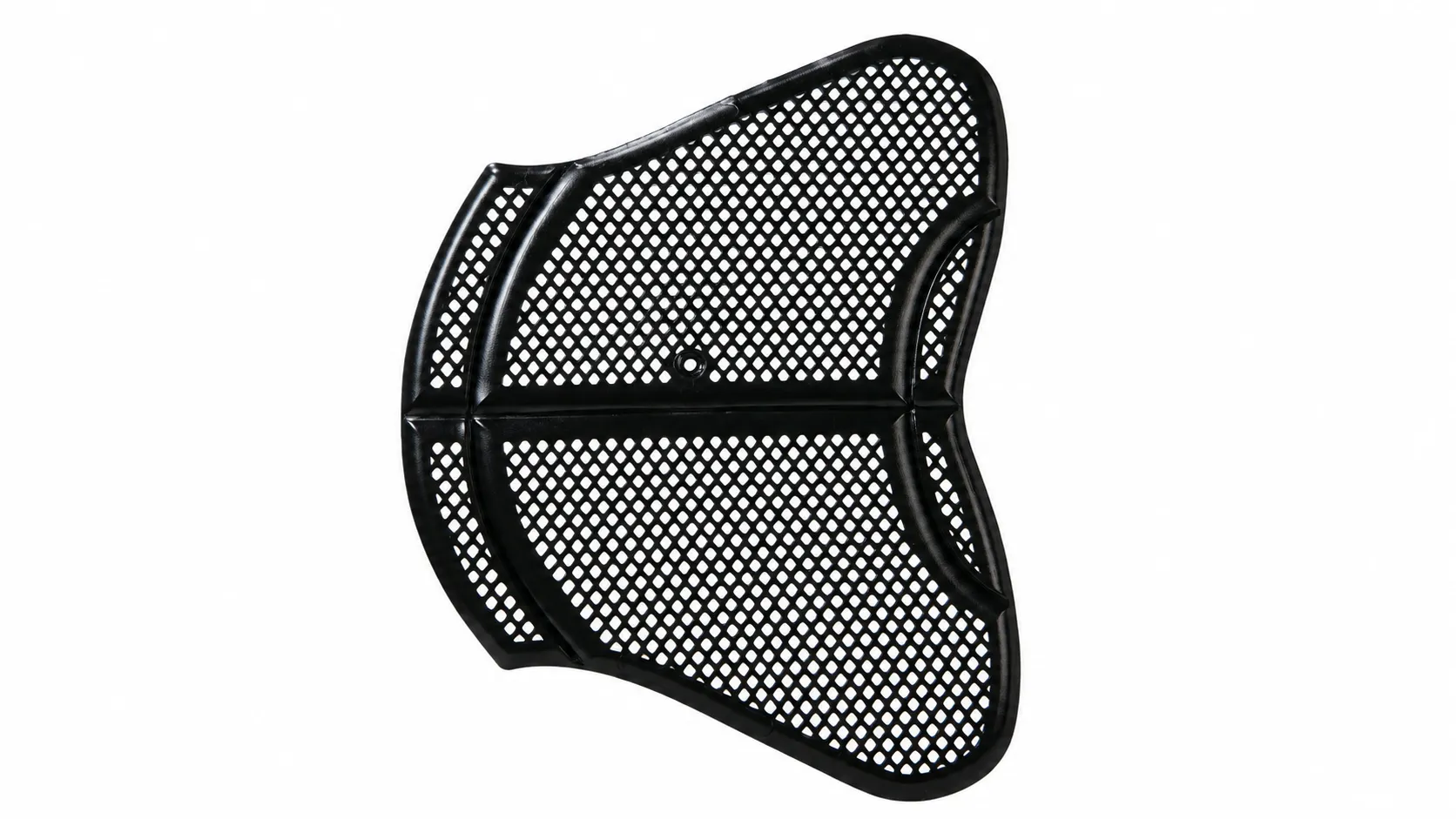
SC-SSP-01
Contoured Silicone Saddle Pad
Compare the chosen pad construction and size designation before adding range depth.
Compare the rangeA catalogue option list does not confirm that every size and colour combination is available. Confirm the proposed allocation in the quotation.
A practical reorder routine
Know what sold. Know what to ask for.
01Record
Start with one reliable SKU history
Keep each selected variant in the same selling unit across purchasing, shop and web records.
- Choose the observation window and record sales separately from stock adjustments.
- Identify the locations and channels included in the review.
Keep: Variant-level sales and stock record
02Check
Separate stock you can sell from stock you expect
A carton in the building, a committed order and an incoming shipment answer different questions.
- Review sellable, committed and blocked quantities without counting the same units twice.
- Check open purchase orders and receiving status before creating another requirement.
Keep: Dated stock and incoming-order reconciliation
03Decide
Replenish, correct the listing or pause
Low recorded sales may reflect missing stock or unclear product information, not simply weak demand.
- Review stockouts, returns awaiting inspection and discontinued options.
- Use your actual demand and total replenishment time to discuss a reorder trigger.
Keep: Reasoned action per SKU, with unresolved inputs visible
04Enquire
Turn the buying need into an order-specific discussion
The reorder trigger is a shop planning decision, not a promise of immediate supply.
- Send models, variant quantities and the intended receiving location or window.
- Confirm the quoted quantities, costs, readiness and shipment arrangements before committing.
Keep: Written buying-line allocation and agreed commercial scope
Keep the details clear
Product data your team can use
Identity
Keep supplier model and retail SKU connected
- Preserve the mapping from catalogue model to each actual size and colour combination.
- Use a clear unit description; a product family is not a substitute for the item being offered.
Listing
Make the shelf label and web page agree
- Match the image, supplied contents and supported dimensions or compatibility to the selected variant.
- Separate confirmed product statements from missing information that still needs an owner.
Updates
Carry changes to every selling channel
- Name the source revision, the team member checking it and the affected retail records.
- Review images and care text along with option names; an edited spreadsheet alone does not update a shop.
Check the range before adding more variants
A range with no clear retail unit
A guard pair, a single brush and a pad need distinct descriptions and counting units. Make the contents clear before setting shelf labels or web listings.
More colours than your records can explain
Each chosen size and colour needs a reliable identity, image and stock record. A long option list is not evidence that every combination is available.
Purchase quantities disconnected from selling demand
Review the allocation against your own customers, cash and storage. A catalogue photograph does not establish a sales rate or a minimum for your order.
Build the first buying list around identifiable selling lines, not an assumed best-seller bundle.
Useful reading
Keep the shop and stock records connected
Before the enquiry
Questions from tack retailers
Is there a fixed starter assortment for every tack shop?
Choose products around your customers and the selling units you can manage. Send the proposed models and quantities by variant so availability, minimums and commercial terms can be discussed line by line; there is no universal starter bundle stated here.
Will a retail enquiry include free shop fixtures or samples?
This page does not offer a free display fixture or complimentary sample pack. Identify the samples, displays or retail support you want and agree any available scope and costs in the written quotation.
Can this programme fulfil individual orders for our web shop?
Direct-to-consumer fulfilment is not established by a wholesale catalogue. Agree the actual order quantities, shipment destination and receiving arrangements; do not build a customer delivery promise on an assumed dropshipping service.
Silicon Chain · Tack Retailer
Make room for your next range.
Send your selected models, variant quantities and product-data questions so we can review the buying requirement together.
View all customer programs