
For school managers, clubs and teaching yards
Riding school equipment, planned around the horse.
Choose durable silicone and multi-material tack and grooming products around your horses, existing equipment and daily routines. Keep fit and return-to-use decisions with your responsible school staff.
Ready for the daily routine
An identified item. A clearer handover.
Equipment needs a readable identity, an assigned horse and a place to return. Build your supply brief around the way your school actually works.
Allocate
Connect the selected item to a horse and configuration.
Care
Use instructions for the actual assembled product.
Hand over
Keep drying, awaiting review and ready-for-issue states distinct.

Selected silicone tack
Choose products for your school
Catalogue examples for an equipment enquiry. Select products for the actual horse, existing tack connections and care requirements; this is not a compulsory starter bundle.
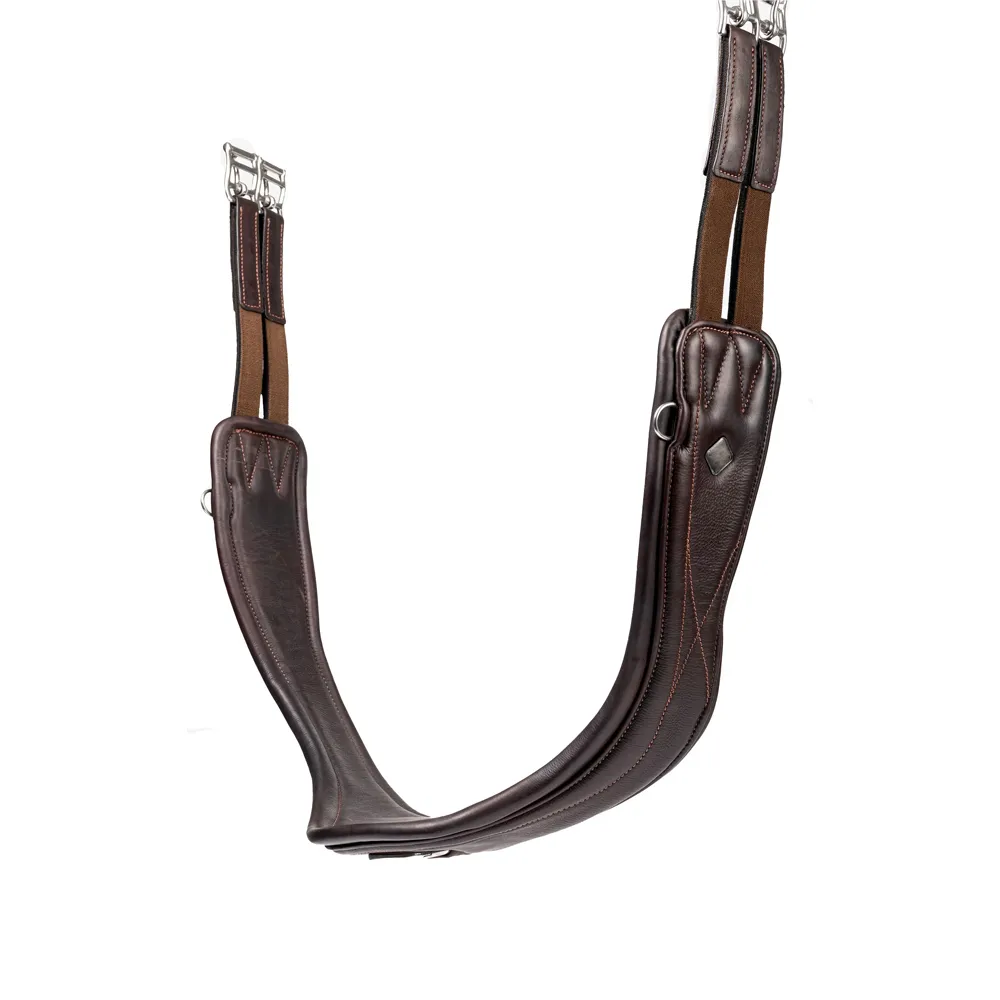
SC-SG-01
Silicone Leather Girth
Identify the selected girth, existing saddle connection and the person responsible for fit and care.
Compare the range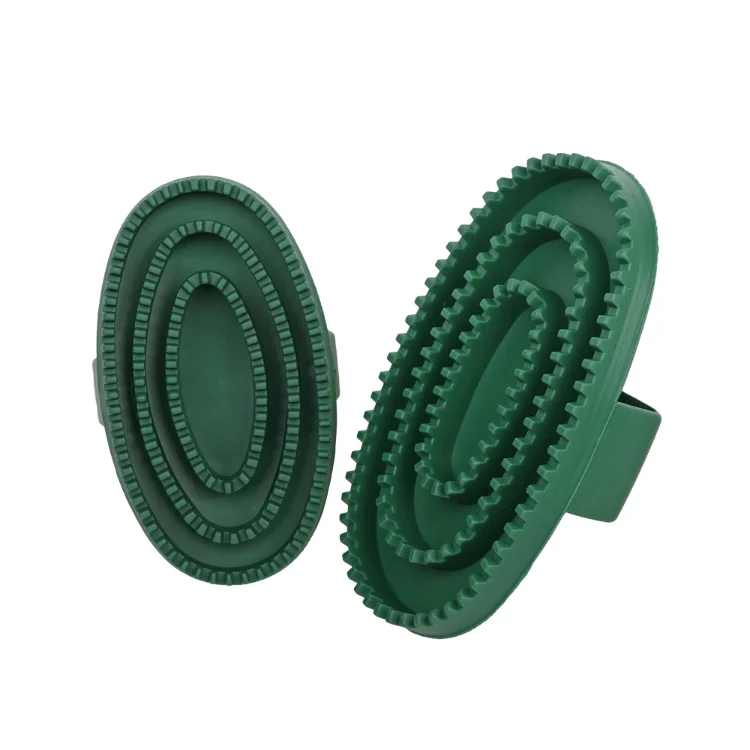
SC-SGB-01
Silicone Grooming Brush
Link each selected brush to the school’s horse-specific care and storage plan.
Compare the range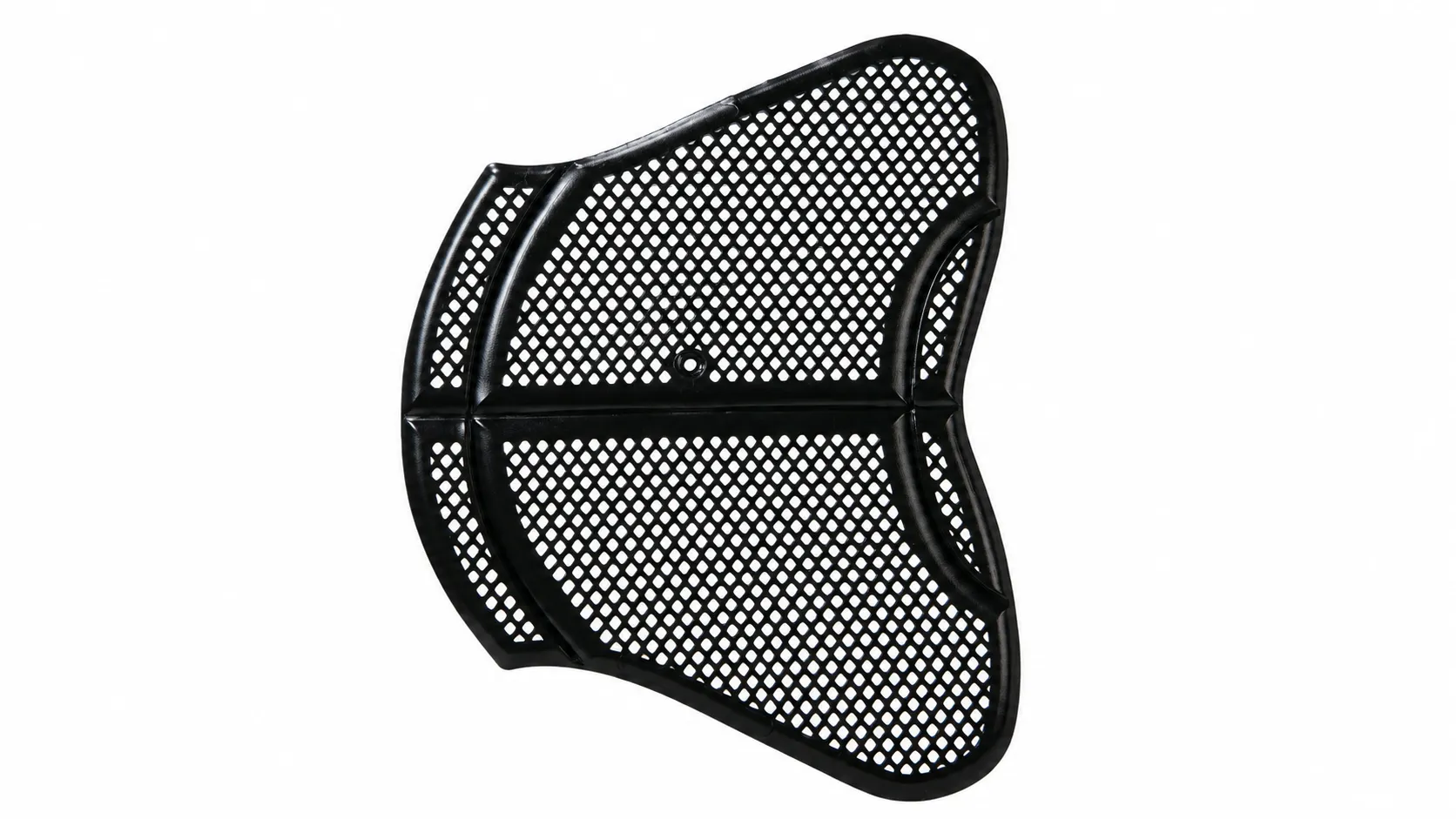
SC-SSP-01
Contoured Silicone Saddle Pad
Specify the pad construction and size; selecting a pad does not approve saddle fit.
Compare the rangeMaterial choice and familiar strap settings do not establish suitability or correct fit. A selected pad does not approve the saddle fit.
From selection to lesson handover
Keep the next lesson in the right hands.
01Select
Describe the equipment you actually need
Start with the horse, intended use and existing tack connections.
- Name the selected model and quantity.
- Keep colour or marking requests separate from fit and condition decisions.
Keep: Horse-specific equipment and supply brief
02Assign
Connect the item to a readable identity
Keep product identity, horse allocation and local configuration together.
- Record which horse and configuration the item is assigned to.
- Name the responsible person and return location.
Keep: Identified item and assignment record
03Care
Follow instructions for the actual assembly
Silicone, leather, textile and metal components may need different care.
- Obtain the care instructions for the selected product.
- Keep drying and unresolved care questions separate from ready-for-issue stock.
Keep: Product-specific care and equipment status
04Hand over
Keep the next action visible
A returned item is not automatically ready for another lesson.
- Retain the item identity and record any reported concern.
- Keep uncertain fit or condition out of use while the appropriate competent person assesses it.
Keep: Status, action owner and recorded return-to-use decision
Keep the details clear
When an item needs another decision
Fit & condition
Condition or fit is uncertain
- A staff member reports damage, an unexpected change or a fitting concern.
- Keep the item out of use and retain its identity while the appropriate competent person assesses it.
Identity & care
Identity or care history is unclear
- A brush returns to the wrong kit, a label is unreadable or a returned item has no clear status.
- Keep it separate from available-for-issue equipment. Record what is known and who will resolve the uncertainty.
Replacement
A replacement or changed configuration is needed
- The selected product is unavailable locally, or a proposed substitution changes the configuration.
- Describe the exact product requirement in the enquiry; the responsible school reviewer must still assess suitability before use.
Connect each item to its working routine
Selected tack item · Horse and configuration reference
Keep the item linked to the approved local assignment; a familiar strap setting is not a fit assessment.
Grooming brush · Identified horse-specific kit
Support dedicated equipment and the school’s biosecurity procedure rather than assuming unrestricted sharing.
Returned equipment · Status, location and action owner
Make unfinished care, an unreadable identity or a reported concern visible before the next issue.
Buying more equipment does not resolve an unclear issue-and-return process.
Colour and marking requests need their own supply review. Prepare a private-label brief.
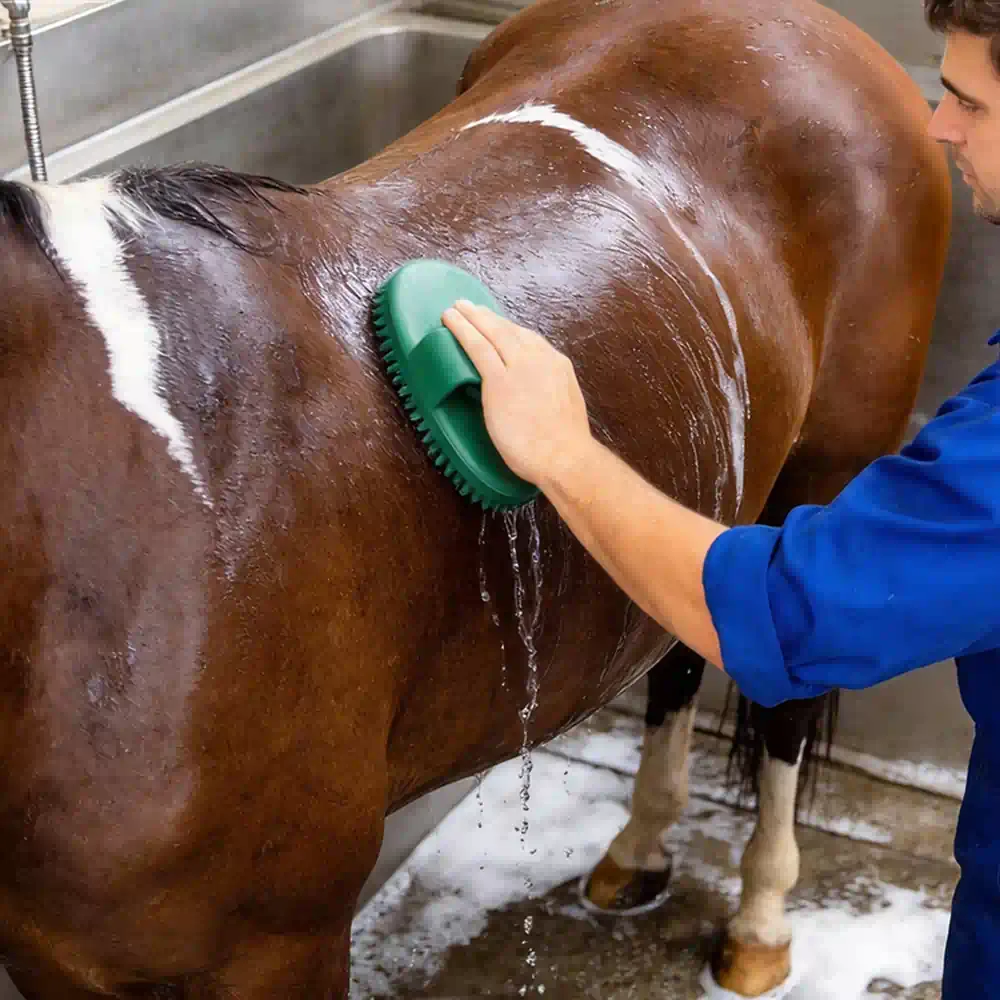
Horse-specific care
A place for every kit. A status for every return.
Keep dedicated equipment and controlled sharing within your school’s biosecurity plan. The care instructions must cover the actual assembly, including leather, textiles and metal where present.
Read EDCC facilities guidanceUseful reading
A more useful lesson handover
Before the enquiry
School and club supply questions
Is the displayed range a compulsory school starter bundle?
No. These are catalogue examples, not a complete or compulsory lesson kit. Your responsible staff should select items for the actual horse, existing tack, care requirements and lesson use; request the selected configuration and quantities separately.
Does buying silicone tack approve its use on every lesson horse?
No. Material choice does not establish fit, condition or suitability for each horse and activity. Keep the school’s competent assessment and equipment checks separate from the supply decision.
Can the school colours identify every horse’s allocated equipment?
Colour can support a local identification system, but it should not be the sole identity or approval signal. Specify any colour or marking request in the offer, and maintain a readable item-to-horse record without altering safety-critical parts.
Silicon Chain · Riding School & Club
Plan the kit around your school.
Send selected models, quantities, horse-specific allocation needs and care questions. We can discuss the supply brief while your staff assess suitability.
View all customer programs