Curb Chain & Double Bridle · 2026-10-27
Curb Chain Cover vs Silicone Chain vs Strap
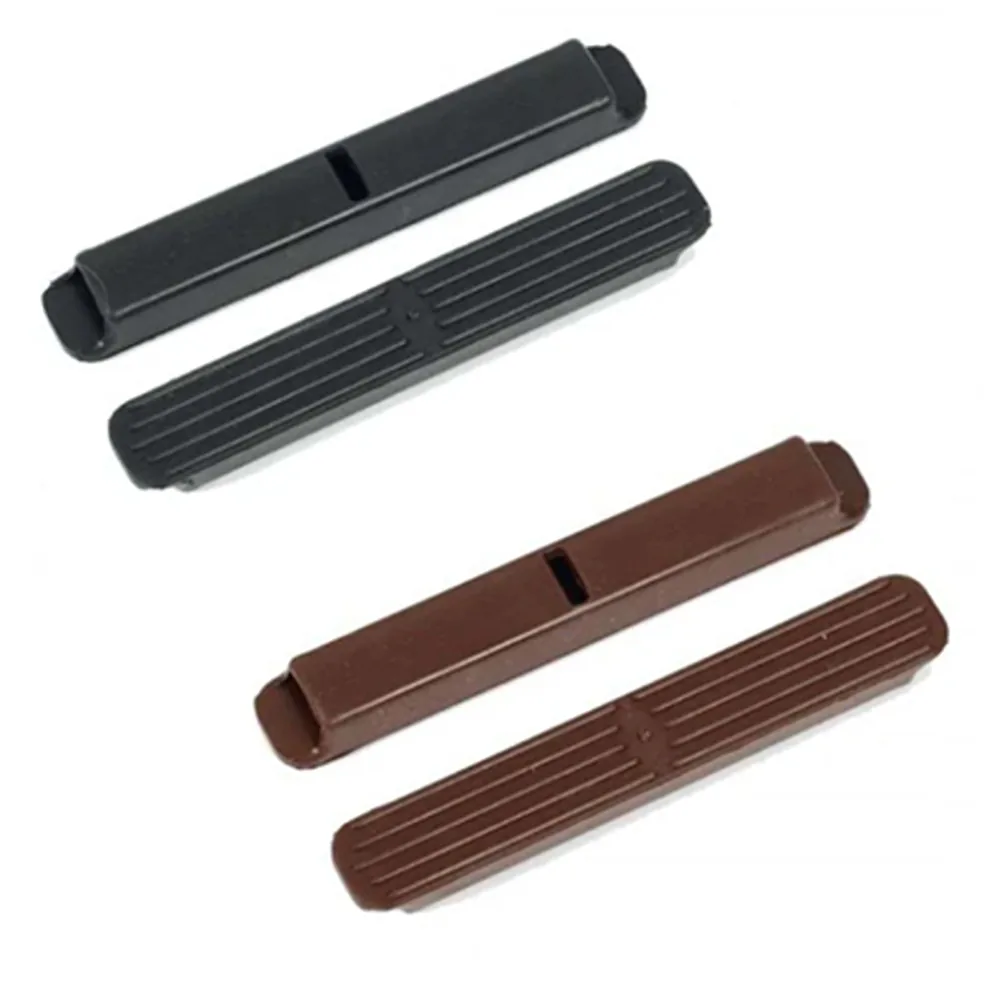
Search for curb chain protection and three different products come back: a silicone sleeve that slides over a metal chain, a chain whose links are already coated or moulded in silicone, and a leather or neoprene strap that takes the chain's place under the chin. Retail listings often use the same words for all three — cover, guard, protector — and the photographs can look similar at thumbnail size. For a brand building a range, or a yard buying for several horses, that ambiguity is expensive: the three products have different price structures, different replacement logic and different effects on the curb.
This guide separates them on the questions that actually decide a purchase: what you keep, what touches the chin, what changes, what you inspect and how you source it.
1. The three products, defined
- Silicone curb chain cover. A sleeve or wrap in food-grade silicone that fits over a metal curb chain you already own. Length and bore are matched to the chain. The chain, hooks and cheek pieces are unchanged; the cover is interchangeable between chains of the same size.
- Silicone-coated curb chain. The chain itself, with each link coated or moulded in silicone, or a chain made with silicone-covered links. It replaces your chain and is bought in a fixed length for a specific bit.
- Leather or neoprene curb guard. A strap or padded guard that sits under the chin instead of a chain. Contact is wider and softer, and the tension is usually set by buckle or hook position on the strap.
A fourth item you will see is a roller or "elite" curb strap with a silicone roller. That is closer to the third category than the first: it replaces the chain rather than covering it.
2. Side-by-side on the questions buyers ask
| Question | Silicone cover | Coated silicone chain | Leather or neoprene guard |
|---|---|---|---|
| What you keep | Your existing chain, hooks, weight and link count | Nothing — the chain is replaced | The bit, but the strap replaces the chain |
| What touches the chin | Silicone over the links | Silicone over every link | Leather, padded leather or neoprene |
| What changes | An even layer of material over the links | Link weight, link shape and how the chain settles | Contact width, weight and often the tension setting |
| What you inspect | Splits at the ends, stretching, slipping | Coating wear, exposed metal, link condition | Cracking, stiffening, compressed padding |
| How you clean it | Rinse in about 30 seconds; 85°C supported for the silicone | Follow the chain maker’s instructions | Clean and condition leather; rinse and dry neoprene |
| Where it comes from | Private label from 500 pcs, US$6–10 per piece | Usually bought with the bit | Widely available from tack retailers |
Read the first two rows together. A cover is the only option that leaves the chain in place, which is why it is the low-risk choice when the horse already goes well in its current chain. The coated chain and the strap both change the hardware, and with it the weight and the way the chain settles into the groove.
3. Judging the cue without guessing
"Does it dull the cue?" is the question buyers ask most, and it is usually asked in a way that cannot be answered: nobody has measured the difference on your horse, with your bit and your hand. What can be compared is what each product changes.
- A cover adds an even layer of silicone over the links. The link count, the chain weight and the hook position stay the same, so the setting that worked before still applies — with a slightly different surface under the chin.
- A coated chain changes the link weight and sometimes the link shape. The same number of links can feel different, so the hooks need re-setting and the feel should be re-checked.
- A leather or neoprene guard changes the contact from a chain to a strap. The pressure is spread over a wider area, which many horses accept more readily, but the response to the rein is not identical to a chain.
The practical test is to change one variable at a time on the same horse: same bit, same rider, same work. Record how many links hang below the chin before and after. If two things change at once, the observation tells you nothing about which one mattered. Confirm the result with your trainer before a competition, where the tack rules of your discipline also apply.
4. Fit and sizing
Sizing logic differs by form, which is where most wrong orders start.
A cover is specified by two numbers: overall chain length (the catalogue covers 5, 6, 7, 8 and 9 inch) and inner bore (6, 8 or 10 mm) against the actual link gauge. Because the chain stays, both numbers come from the chain you are holding. The silicone curb chain protectors range lists those combinations, and the fitting guide shows how to measure them.
A coated chain is specified by chain length and link type, and the length is fixed by the maker for a given bit. You cannot shorten it the way you can remove links from a chain, so the measurement has to be right the first time.
A leather or neoprene guard is specified by strap length and width, plus the hook or buckle type on your bit. A strap that is too wide can sit outside the chin groove; one that is too short will not reach the hooks.
5. Cost and replacement
Comparing ticket prices across these three forms is misleading, because the unit and the lifetime differ. A cover is an accessory priced per piece; a coated chain is a component priced with the bit; a leather strap is a finished piece of tack. Compare cost per horse-month instead: add unit cost, freight and duty, then divide by the number of horses in work and the replacement interval you actually observe.
For the cover, standard colours start at 500 pcs with tiered wholesale pricing of US$6–10 per piece; custom Pantone colour and logo programmes are quoted in writing. Replacement is driven by inspection — splits at the ends, stretching, slipping along the chain — rather than by a fixed calendar. That is a different cost model from a leather strap, which is replaced when it stiffens or cracks, and from a coated chain, which is replaced when the coating wears through.
Material documents are often mixed into this comparison and should not be. Our silicone references FDA 21 CFR 177.2600, LFGB, REACH and ISO 10993 for the compound. The 21 CFR 177.2600 text describes rubber articles for repeated food-contact use; it is not an approval of a bridle, a curb chain or competition legality. Ask any supplier which sample, colour and compound their report covers.
6. When a cover is the wrong choice
- The chain itself is the problem. If the chain is the wrong length, damaged, or unsuitable for the bit, a cover will hide the fault rather than fix it.
- The horse objects to pressure, not metal. A cover does not reduce curb pressure; it changes the surface. Reducing pressure is a matter of adjustment, bit choice and training.
- The chain is an unusual gauge or has been heavily modified. A standard bore may not pass over the links, and a loose sleeve will travel along the chain.
- Rules or the bit maker prohibit added accessories. Check the discipline's tack rules and the bit manufacturer's instructions before relying on a cover in competition.
For mouth-corner protection rather than chin-groove protection, the relevant accessory is a silicone bit guard — a different contact point with a different fit.
7. What to put in the RFQ
Whether you are buying a cover or a coated chain, a comparable quotation needs the same fields: the length and bore (or chain length), colour or Pantone reference, logo method and position, pack unit (single or pair), barcode and label language, quantity per size and colour, and the trade term. Add the sample approval step and the lead time to the same reply. Without those, two quotes are not comparable even when the unit price looks close.
For the cover, the SC-SCCP-01 catalogue record is the starting specification. Typical lead time is 7–10 days for private label and 15–25 days for custom OEM work, counted after sample approval.
Frequently Asked Questions
Is a silicone curb chain the same product as a silicone cover?
No. A silicone curb chain is the chain itself, with links coated or moulded in silicone; a cover is a sleeve or wrap that fits over a metal chain you already own. A cover keeps your existing chain, its weight and its link count; a coated chain replaces the chain. Both remove metal-to-skin contact, but only the cover is interchangeable between chains.
Which option keeps the curb cue most predictable?
The option that changes least. A thin cover on the chain you already use preserves link count and weight; a coated chain or a leather strap may change weight, width and how the chain settles in the groove. Compare like with like, re-check the hook position after any change, and confirm the feel with your trainer before a competition.
What should an RFQ specify for a private-label curb chain cover?
State the length and bore, any wall-thickness tolerance, colour or Pantone reference, logo method and position, pack unit (single or pair), barcode and label language, quantity per size and colour, and the trade term. Ask for the sample approval step and lead time in the same reply, so the quotation can be compared with other suppliers on equal terms.