Girth Fit & Care · 2026-10-23
Seamless Silicone Horse Girths: Contact, Fit and Care Checks
An anti chafe girth for sensitive horses needs more than a soft first impression. The skin-contact edge, elbow clearance, accumulated dirt and saddle fit all deserve inspection. This guide examines the contact edge, cleaning needs and fit checks of a seamless silicone girth; it does not establish that a material or construction prevents girth galls.
This is a buyer’s guide from Silicon Chain’s sales and manufacturing team, not a veterinary diagnosis or a controlled clinical study. Start with our silicone girth collection, then use the checks below to assess a physical sample.
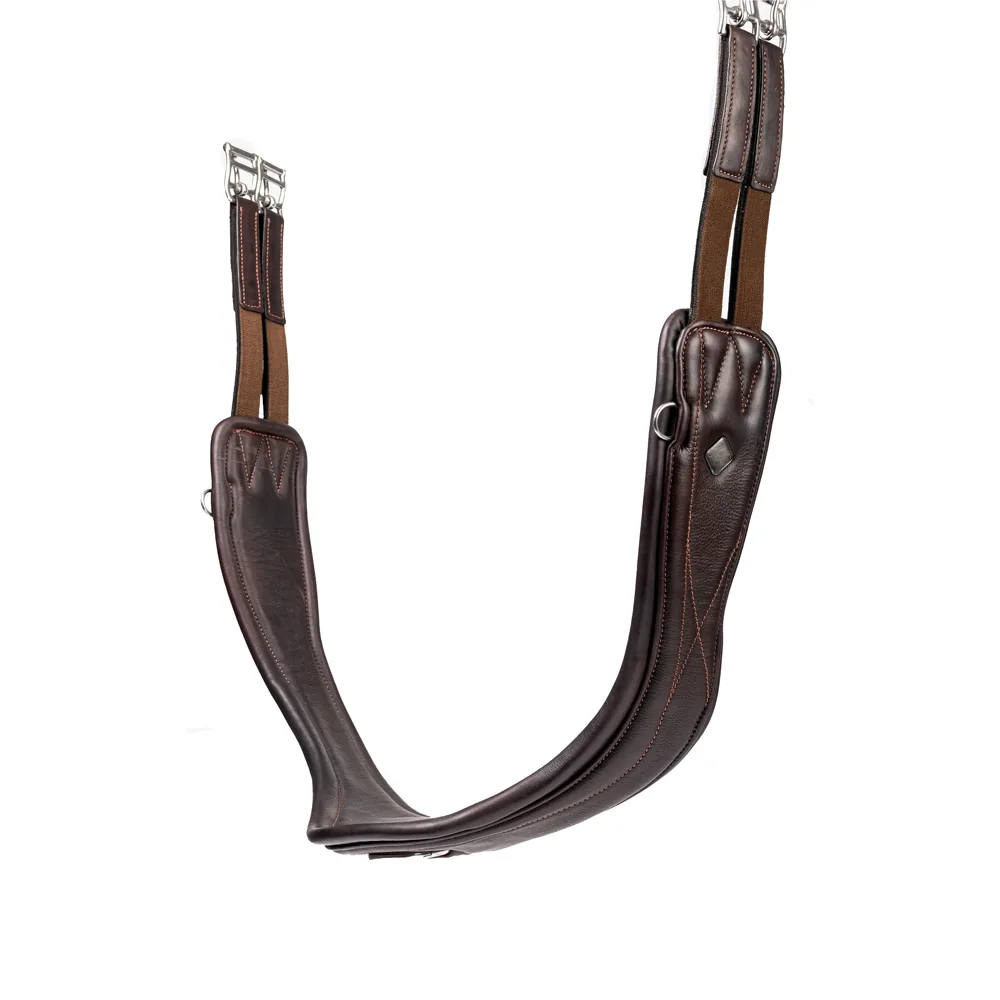
1. Separate Contact Friction from Fit and Skin Sensitivity
Axillary skin friction describes rubbing near the area behind the elbow. A prominent edge, sand or a folded liner can be a contact issue; saddle movement, an unsuitable shape or excessive tension requires a different response. A smooth inner surface can remove one possible source of rubbing, but it cannot diagnose the cause of a sore.
Buyers sometimes describe every tack-related skin reaction as “chromium tanning dermatitis.” Do not assume a diagnosis from the material name: neither calfskin nor neoprene has one universal formulation. If a horse reacts to a particular girth or care product, discuss the history with a veterinarian and ask the supplier for the exact material information. Our sensitive-horse tack guidance covers selection in that broader context.
2. What a Seamless Contact Surface Changes
Silicon Chain’s documented girth uses food-grade silicone with a seamless skin-contact surface and inner anti-slip texture. Removing a stitched contact edge is a construction choice, not proof of a clinical prevention rate. The surface must still be clean, the assembly secure and the shape appropriate for the horse.
| Sample assessment | Silicon Chain silicone contact surface | Questions for any alternative girth |
|---|---|---|
| Contact edge | Seamless food-grade silicone inner surface | Are seams or folded edges in a contact or movement zone? |
| Cleanliness | Rinse-clean surface; documented silicone-tack reference is a 30-second tap water rinse | Can you remove and inspect dirt and salt after riding? |
| Shape and clearance | Check the selected model on the individual horse | Does the shape clear the elbow without bunching or requiring extra tension? |
| Material evidence | Request relevant REACH, FDA, LFGB and ISO 10993 material documents | Does the report identify the actual material, colour and applicable test? |
The flagship silicone leather girth is documented in 22, 24, 26, 28, 30, 32 and 34 inch lengths with 316 stainless steel roller buckles and a D-ring. Length does not establish universal compatibility: compare the billet arrangement, measurement points, buckle placement and contact width with the saddle in use.
3. Assess a Sample Before Replacing a Whole Tack Room
- Document the current problem. Record where a rub occurs and which saddle, girth, liner and cleaning products are used. Do not test new tack over damaged skin.
- Inspect the assembly off the horse. Check contact edges, strap joins, roller movement, loose parts and the underside for damage or trapped dirt.
- Confirm fit with professional help. Check length and elbow clearance without assuming that tighter means more stable. No pressure-distribution test or safe tightening torque is claimed here.
- Review after use. Follow the approved fitting and care instructions, inspect the contact area and stop if irritation appears. Keep records instead of declaring success from a single ride.
4. A 30-Second Rinse Is a Care Reference, Not Disinfection
The documented barn-care comparison uses a 30-second tap water rinse for silicone tack. Treat that as a routine-cleaning reference, not a guarantee for every condition or a validated way to remove pathogens. Rinse away visible contamination, inspect the full assembly and follow the selected model’s drying and storage instructions.
Do not infer that an assembled girth can enter an 85°C dishwasher or a +260°C sterilization cycle. The silicone material’s -30°C to +260°C range does not establish limits for straps, elastic, adhesives, finishes or hardware. Complete-girth wash and disinfection conditions are pending confirmation. Our material and cost comparison explains how to evaluate the practical care difference without inventing labour savings.
5. What Brands Should Ask the Manufacturer
When choosing an anatomical silicone horse girth manufacturer, supply the saddle type, measured lengths, desired contact width, intended market and size quantities. Ask for the material specification, attachment details, model-specific care instructions and relevant report copies. A food-contact or biocompatibility reference is not a guarantee that a particular horse cannot develop an allergy or rub.
Silicon Chain’s material documentation references REACH, FDA 21 CFR 177.2600, LFGB and ISO 10993. Verify report applicability to the compound and intended claim with the supplier and your compliance adviser. For the regulatory reference itself, use the FDA’s official CFR 177.2600 reference page; it is not a test report for this girth.
For a brand programme, our OEM and private-label service offers sample approval before production. Use a signed specification and agreed care label rather than copying unverified anti-chafe or medical claims into a retail listing.
Frequently Asked Questions
Will adding a sheepskin cover solve a girth rub?
A cover changes the contact surface but also changes the fit and cleaning routine. Inspect the whole arrangement for grit, folded edges and pressure. No cover or girth material is a substitute for fit assessment, and irritated skin should not be ridden over.
Can a seamless surface treat an existing girth gall?
No. This is tack-selection guidance, not a treatment claim. Stop using tack that contacts damaged skin and seek a veterinarian’s advice. Reassess fit, cleanliness and the horse’s response before returning to work.
Does lighter weight mean I can tighten the girth more?
No. Weight and tightening force are different considerations. The documented 25% lighter-than-leather reference is not permission to over-tighten; confirm actual model weight and appropriate fit with your saddle professional.