How 85°C Dishwasher Cleaning Supports Washable Silicone Horse Grooming Brush Hygiene | Silicon Chain
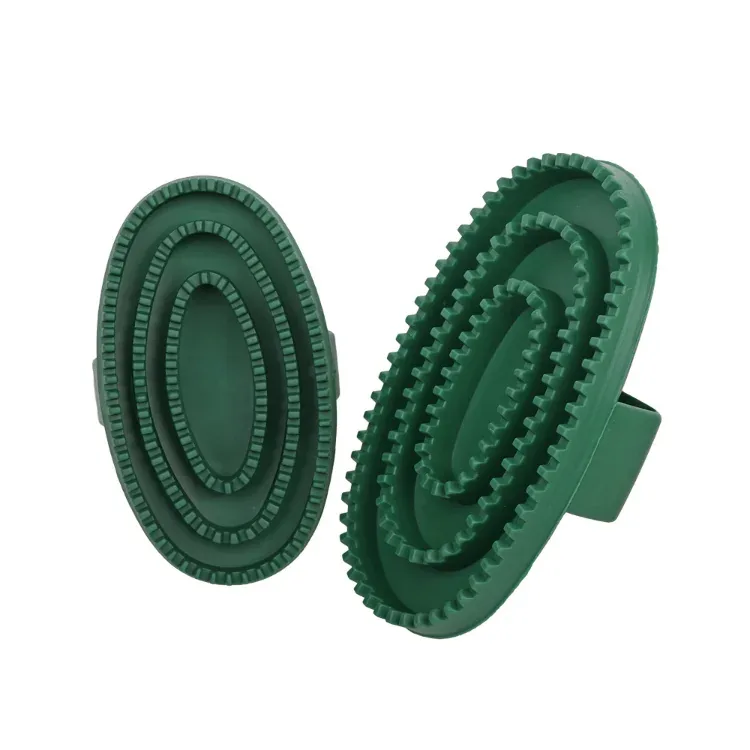
Stable managers searching for a washable silicone horse grooming brush usually want two answers: can the tool be cleaned consistently, and can the workflow reduce avoidable sharing risks? The Silicone Grooming Brush range is built around a one-piece cavity-free moulding concept, while the published care specification supports 85°C dishwasher cleaning. Those are useful purchasing inputs, not a clinical outcome.
Veterinary guidance describes Trichophyton equinum fungal spores and other dermatophytes as capable of spreading through contaminated grooming implements and tack. Read the MSD Veterinary Manual guidance on dermatophytosis in horses for diagnosis and treatment boundaries. Buyers should ask for a practical clean–inspect–dry routine rather than rely on a product slogan.
What one-piece moulding changes in daily cleaning
One-piece cavity-free moulding removes glue seams and hollow body cavities from the construction brief. It does not mean that hair, mud or shampoo cannot remain between teeth. A stable still needs to remove visible debris and check the grip and tooth zones after each use.
- Separate or identify tools when horses are shared, quarantined or under veterinary observation.
- Remove organic debris before the approved wash cycle; soil and hair can shield surfaces from cleaning.
- Inspect for tears, permanent deformation or residue before returning the brush to service.
85°C dishwasher cleaning: the confirmed boundary
The product record confirms 85°C commercial dishwasher cleaning for the brush. It does not provide a validated kill study, a universal cycle, or a promise that the brush is “100% spore-free.” For a commercial barn, document the machine, detergent, loading position, drying step and inspection method that your team actually uses.
The US regulation 21 CFR §177.2600 describes requirements for rubber articles intended for repeated food use; it is not a disease-control certification for an equine grooming brush. Ask Silicon Chain for the exact material and batch documents that apply to your order.
| Biosecurity question | One-piece silicone brush | Tufted or hollow brush |
|---|---|---|
| Where can dirt and hair collect? | The body is one-piece moulded; confirm the final brush geometry and clean the teeth after use. | Tufted bases, seams or hollow areas can be harder to inspect and clean. |
| What does 85°C compatibility mean? | The product care specification confirms 85°C commercial dishwasher cleaning for the brush; follow the agreed cycle and care instructions. | Wood, adhesives and some plastics may have different water and heat limits. |
| Does the product prevent ringworm? | No. A washable tool can support a cleaning workflow but does not prevent or treat infection by itself. | The same hygiene protocol and veterinary direction are still required. |
| What should a stable do between horses? | Remove visible organic matter, wash and dry thoroughly, and keep tools assigned or separated when needed. | Use the same written protocol; material alone does not replace cleaning discipline. |
How to write a hygienic horse washing brush wholesale specification
A good RFQ turns a general request for a hygienic horse washing brush wholesale item into acceptance criteria. Include the standard footprint of 170 × 110 mm, the cleaning method, color, packaging and the intended users. If the buyer needs an 85°C dishwasher cleaning workflow, record it as a care requirement rather than a medical claim.
- State whether the brush is for wet washing, dry shedding, massage, saddle pad hair removal, or all four tasks.
- Ask for the current drawing or sample specification; thickness and weight are not confirmed in the available product specification.
- Request a written quote that separates brush sets, customization, packaging, freight and duties.
- Approve a sample with wet hands and the actual shampoo or detergent used at the stable.
When washable stable grooming tools are not enough
Washable stable grooming tools support a process; they do not replace veterinary diagnosis, isolation or an approved treatment plan. If lesions, hair loss or crusting are present, stop sharing equipment and follow professional advice. The MSD guidance notes that contaminated objects can contribute to spread and that diagnosis and treatment should be handled appropriately.
For a product-level review, compare the SC-SGB-01 brush specification and then return to the complete silicone horse grooming brush range to discuss colors, packaging and current order terms.
Frequently asked questions
Why are grooming tools relevant to equine ringworm control?
Veterinary references identify contaminated grooming implements and tack as possible transmission routes for dermatophytosis. A washable one-piece tool can make inspection and routine cleaning easier, but it is not a treatment or a guarantee against infection.
Can the brush go into an 85°C commercial dishwasher?
The product care specification confirms 85°C commercial dishwasher cleaning for the standard brush. Use the approved cycle and detergent instructions, inspect the brush after cleaning, and do not present this compatibility as proof that every fungal spore has been removed.
What should we request before a wholesale hygiene program?
Request the current brush specification, care instructions, sample approval and any material reports relevant to the order. For suspected ringworm, isolate affected horses and follow a veterinarian-approved cleaning and treatment protocol.