Hoof Protection Sourcing Guide · 2026-10-23
Waterproof Silicone Horse Hoof Protection Boots Guide
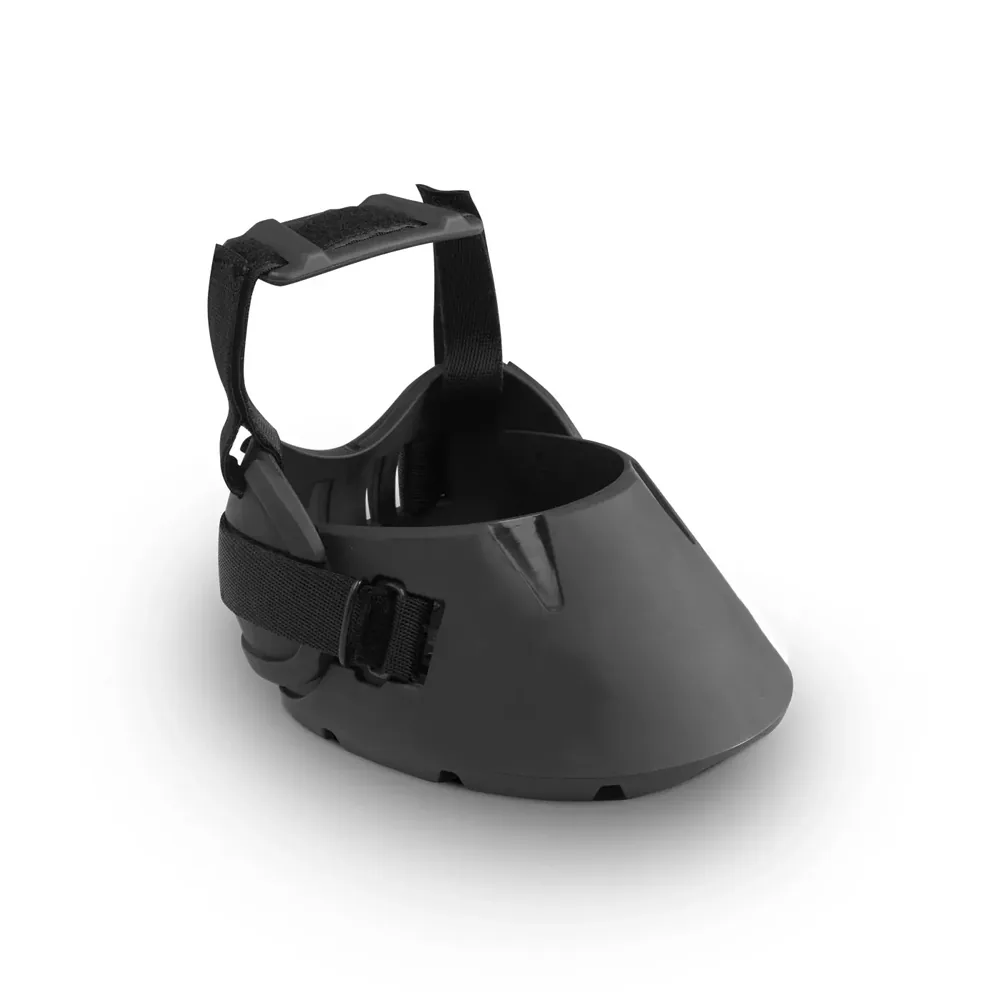
This waterproof silicone horse hoof protection boots guide is for tack buyers who need a measurable product brief. The confirmed SC-SLP-03 record describes a flexible, wear-resistant silicone boot with a fastening strap for daily riding, training and outdoor ground cushioning. It does not by itself prove clinical treatment results or a universal waterproof seal.
1. Define the Hoof Coverage You Are Buying
The SC-SLP-03 horse hoof protection boot is a separate product from tendon boots and leg liners. Its confirmed sizing is M / L / XL. Start with the hoof measurements, then inspect collar contact, fastening and movement on the intended surface. A size label is not a substitute for a fit check.
For a complete silicone leg protection range, keep the sourcing brief explicit: tendon coverage, a separate liner inside another boot, and hoof coverage have different fit and retention requirements. This distinction prevents a retailer from stocking the wrong product under a broad “horse leg protection” name.
2. What the Confirmed Product Record Says
The matrix below separates confirmed construction information from claims that need a test or approval record. It should be used to write your RFQ and sample acceptance sheet.
| Decision | SC-SLP-03 information | Evidence to request before approval |
|---|---|---|
| Waterproof construction | Flexible, wear-resistant silicone boot body with fastening strap; the exact seal at the opening must be checked on the sample. | Define exposure, opening fit and water-ingress test method. |
| Available sizes | M / L / XL in the confirmed product record. | Use a measurement guide and test retention on the intended hoof dimensions. |
| Intended product brief | Daily riding, training and outdoor ground cushioning are the confirmed product uses. | Keep veterinary, poultice or rehabilitation claims separate until the relevant evidence is supplied. |
| Commercial terms | OEM / ODM and private-label support are available; price and MOQ for this model require a current written quotation. | Request current price, MOQ, packaging and sample acceptance terms in writing. |
The body is described as flexible, high-wear and waterproof, with a fastening strap for outdoor ground cushioning. That description does not establish a particular water-ingress test, pull-off force, tread-friction result or service life. Ask for the test method if any of these claims matter to the channel.
3. Poultice, Turnout and Rehabilitation Claims Need Separate Evidence
Buyers often search for an equine poultice hoof boot wholesale product because they need to keep a dressing clean outdoors. A waterproof body may be useful, but the opening, fastening and movement can still determine whether water or soil reaches the dressing. Specify the exposure and ask for a product-specific test before using a sealed-poultice claim.
Likewise, a high-tear elastomeric tread can be relevant to outdoor cushioning, but it does not prove a laminitis sole cushioning result or a treatment outcome. Use hoof abscess poultice barrier, laminitis sole cushioning and similar terms as questions for evidence, not as established product benefits. A qualified veterinary professional should define any clinical-care claim.
When choosing a silicone horse hoof boots manufacturer for a private-label line, send the intended use, ground conditions, dimensions, fastening preference and packaging requirements. Current price and model-specific MOQ require a current written quotation.
4. Sample, Clean and Approve the Complete Boot
Inspect the collar, sole, strap and any seams or transitions. Run the same wet-ground and movement trial you expect from the finished range. Record fit changes, rotation, soil entry, water ingress, cleaning time and drying method. Do not infer that the silicone compound’s stated -30°C to +260°C material range authorizes boiling, autoclaving or an 85°C cycle for the finished boot.
Ask for model-specific wash-care and disinfectant instructions. If a shared barn or clinic needs equipment rotation, agree a cleaning and inspection procedure with the responsible professional. The factory can provide applicable material documentation for EU REACH, FDA 21 CFR 177.2600, LFGB and ISO 10993 where relevant; those documents are not a blanket finished-boot clinical certification.
For the full manufacturing context, Silicon Chain operates a 7,000 m² Dongguan facility with compression moulding, LSR / injection moulding, extrusion, silicone foaming and sewing / assembly. Read the available certification information, then request a current sample and quotation with the acceptance criteria attached.
5. Hoof Boot Buyer Questions
How should a tack shop choose M, L or XL hoof protection boots?
Use the supplier’s measurement guide and the actual hoof dimensions, then check the collar, fastening and movement on a sample. The confirmed product record lists M / L / XL; it does not justify replacing measurements with Pony / Cob / Full / XFull labels.
Can this hoof boot be marketed as a poultice or laminitis treatment product?
The confirmed product information supports riding, training and outdoor ground cushioning. A waterproof body does not by itself establish a sealed poultice barrier, abscess treatment result or laminitis rehabilitation outcome. Request product-specific evidence and approval before using a clinical-care claim.
What should be included in a private-label hoof boot RFQ?
Include hoof measurements, intended ground and exposure, retention method, tread requirement, colors, packaging, logo treatment, sample quantity and acceptance criteria. Current price and MOQ for this model remain to be confirmed, so ask for them in the written quotation.