Nordic & Winter Operations · 31 October 2026 · 12 minute read
Riding Horses in Cold Weather: Pre-Ride & Post-Ride Tack Check
Source-compiled winter tack inspection and stable handling notes from a Product Manager. Not a veterinary cold-stress protocol, airway diagnosis or guarantee against freezing and slipping.
Successfully riding horses in cold weather depends as much on disciplined equipment checks and cooling-out routines as it does on arena footing. When temperatures drop below freezing across Nordic and northern winter yards, long coat hair traps sweat against the skin, unheated tack rooms chill metal bits and stiffen leather straps, and shut-off wash bays make ordinary hosing impossible. Without a structured pre-ride and post-ride inspection routine, small oversights—such as icy stirrup treads, tangled belly hair or a damp saddle pad left on an unheated rack—quickly turn into skin rubs or frozen gear the next morning.
This guide outlines a practical seven-step check and an inspection log for riders, trainers and stable managers working through sub-zero months. You can explore our cold-climate horse riding gear selection to compare individual catalogue models and request complete material specifications for your stable. Equipment selection and routine wiping never replace veterinary advice or safe footing decisions.
1. Set airway, footing and temperature boundaries before tacking up
Before taking a bridle or saddle off its hook, decide whether ambient temperature and ground conditions support ridden exercise that day. Riders frequently ask can you ride horses in winter when frost or snow covers the yard, and public veterinary extension guidance points to two immediate physical limits: cold air entering the respiratory tract and treacherous footing under hoof.
As the United States Pony Clubs explain in Winter Health Hazards for Horses, there is no single universal temperature cut-off for every situation, but research shows that 15 degrees Fahrenheit (-9.4°C) is cold enough to cause irritation to equine airways, meaning riders should scale back riding time and exertion to a walk or light work on the coldest days. Rutgers University Equine Science Center adds in Winter Care For Horses (FS1142) that riding in excessively heavy, damp snow simulates deep sand and can strain tendons, while uneven frozen ground causes sole bruising; if arenas are frozen solid, postponing the ride is safer than risking a fall.
- Check the thermometer at ring level and reduce gait intensity or duration whenever air temperatures approach 15°F (-9.4°C) or wind chill is severe.
- Walk the arena or track before tacking up to verify that footing is free of sheet ice, frozen ruts and deep, heavy wet snow.
- Inspect all four feet with a hoof pick before leaving the stall and immediately upon returning, because University of Minnesota Extension warns that balls of packed snow or ice make walking difficult, increase slipping risk and stress tendons and joints.
- Remember the practical warning in USPC's Winter Hoof Care that snow pads on shod horses are not always 100% effective in wet snow, and that extreme cold numbs human hands and hinders precision handling.
2. Prepare the winter coat and contact zones before placing tack
Once footing and weather pass inspection, prepare the horse's coat across the back, girth line and head. An unclipped or partially clipped winter coat insulates the horse by trapping air, yet that same dense hair holds arena dust, static electricity and dried mud right where straps apply pressure. Brushing only the surface leaves grit buried at skin level.
In Cold Weather Grooming Tips and Six Winter Grooming Challenges, the United States Pony Clubs note that longer winter hair requires curry combs with longer teeth or stiffer bristles to reach the skin, and warn that sweat, friction from tack and long hair combine to create hair-loss patches and sores—especially around the girth area and around the ears. Adding a slight touch of dampness with a wrung-out warm cloth helps discharge static so dust lifts off the coat before the saddle pad goes on.
Pay special attention to hair direction behind the elbows and along the thoracic spine. Smooth every hair flat along its natural growth pattern before positioning the pad and girth, and verify that any turnout blanket straps have not left early shoulder or wither rubs. Never place ridden tack over matted wet hair, mud fever scabs or blanket sores.
3. Check bits, bridles and straps stored in unheated tack rooms
Equipment stored in cold or intermittently heated barns behaves differently from tack kept in a climate-controlled room. Traditional vegetable-tanned or oil-dressed leather stiffens as absorbed tallow and waxes cool, while bare stainless steel or copper-alloy bits rapidly match the sub-zero ambient temperature of the room. Putting a freezing bit straight into a horse's mouth or bending a brittle strap sharply over a buckle tongue invites resistance and hardware damage.
Rutgers University Equine Science Center emphasizes in Saddling and Bridling Horses Safely (FS348) that handlers must check all equipment for safety and cleanliness before riding, never use frayed or cracked leather pieces or a bit with cracks or sharp edges, and guide the bit gently without knocking it against the horse's teeth. During horseback riding in winter, extend that pre-ride check with three cold-weather habits: inspect leather billet straps and cheekpieces at buckle holes for cold-stiffened surface cracks, warm the mouthpiece between your gloved or bare hands (or dip it briefly in lukewarm water and dry it) before bridling, and check that silicone or polymer bit guards and mouthpieces remain supple and free of dried saliva ice crystals.
Keep material boundaries honest during this check. A food-grade silicone mouthpiece cover or bit guard provides a non-metallic contact surface that feels less cold to the touch than bare steel, and the base silicone elastomer is rated across a wide temperature span. However, any composite bridle or girth still relies on its leather or synthetic straps, stitching and metal buckles, all of which must be flexed and inspected before mounting.
4. Clear stirrup treads, girth buckles and composite pad layers
Before leading the horse to the mounting block, inspect the lower contact points where arena sand, hoof splash and snow accumulate. When a rider steps from a snowy yard aisle into the stirrup, packed snow on the boot sole presses directly against the stirrup tread. If the tread grooves are already clogged with frozen mud or ice from the previous day, boot traction drops sharply at the moment of mounting.
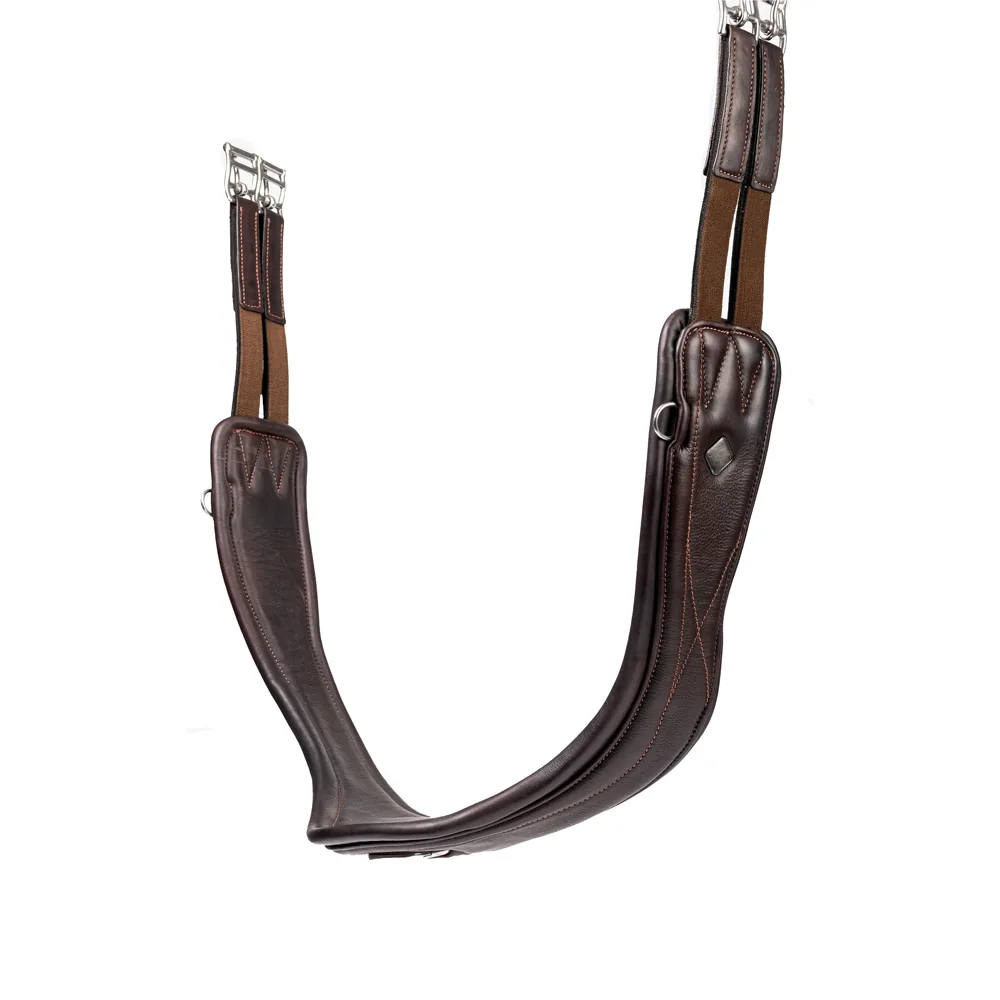
Knock out any frozen debris from the drainage channels of your stirrup covers and verify that the cover sits flush over the metal base. Next, check the underside and outer backing of your girth and saddle pad. When using our Silicone Leather Girth (Flagship Model), confirm that the contoured silicone contact face is clean and dry, the synthetic leather backing flexes smoothly, and the 316 stainless steel roller buckles turn freely without ice in the rollers. After tightening the girth in three gradual stages, stretch each foreleg forward at the knee to smooth folded winter skin behind the elbow, and place a quarter sheet overclipped hindquarters during the warm-up walk as recommended in Rutgers FS1142.
5. Manage cool-down, waterless wiping and post-ride drying
The highest equipment and welfare risk during winter riding begins when the ride ends. Both University of Minnesota Extension and Rutgers FS1142 warn that a thick winter coat slows heat dissipation after exercise, and leaving a hot, sweaty horse standing in a cold stall can chill the animal and trigger illness. Walk the horse out longer than in summer, towel sweaty areas dry, and use a breathable wool or fleece cooler to wick moisture while blocking drafts—waiting until the coat is completely dry before putting an insulated turnout blanket back on.
Your tack needs an equally disciplined post-ride drying workflow when outdoor wash hoses are shut off for the winter. While a moulded silicone brush, bit guard or girth contact face will not soak up water like wool fleece, any liquid sweat film left sitting on silicone or metal hardware will still freeze into surface ice once the room drops below 0°C. Likewise, a composite saddle pad such as SC-SSP-02 combines silicone grip zones with a bamboo-charcoal mesh top and shock-absorbing core that hold evaporated sweat after work. If you compare options across our silicone girth category, pair your equipment with a warm-bucket wiping routine and a recorded drying check.
On narrow screens, scroll this table sideways. Keyboard users can focus the region and use the arrow keys to inspect every column.
| Inspection log stage | Target zone or item | Sub-zero check action | Pass / hold sign-off rule |
|---|---|---|---|
| 1. Environment & hooves | Arena footing, airway temp & four hooves | Verify temp vs 15°F (-9.4°C) threshold, check ice/deep snow and pick out packed snow | Postpone or walk-only if footing is icy or temp is below threshold |
| 2. Coat & contact prep | Back, elbow girth groove & poll/ear hair | Deep-curry winter coat, flatten hair direction and check for blanket rubs | Hold riding if damp matted hair, scabs or blanket sores are present |
| 3. Bridle, bit & treads | Mouthpiece, bit guards, leather straps & stirrup covers | Warm bit by hand, inspect straps for cold cracks and clear ice from stirrup grooves | Replace cracked straps or clogged treads before mounting |
| 4. Horse cool-down | Sweaty neck, chest, back & girth line | Extended walk-out, hot toweling on girth sweat and wool cooler until coat is dry | Do not re-blanket with heavy turnout rug until coat is 100% dry |
| 5. Post-ride drying | Girth face, bit rings & composite saddle pad core | Wipe silicone faces with warm damp cloth, towel dry and hang pad in heated/dehumidified room | Keep in drying room until mesh core and binding are bone dry |
An illustrative sub-zero session inspection log (Winter Session Log N-12)
This example is clearly fictional and provided solely to illustrate how a northern yard records winter checks; it is not a client case study or cold-chamber test certificate. In fictional Winter Session Log N-12, Head Groom L logs an evening flatwork session at -7°C (19.4°F) in an unheated indoor school with three catalogue items assigned to Gelding #6: an SC-SG-01 girth, an SC-SSP-02 breathable saddle pad and a pair of SC-SSC-01 stirrup covers.
At 16:30 (pre-ride), L records ambient ring temperature at -7°C—above the 15°F (-9.4°C) airway-irritation benchmark noted by USPC, but cold enough to require a ten-minute walk warm-up with a quarter sheet. L picks two small balls of packed snow from the hind hooves after bringing the horse in from the paddock, uses a long-toothed curry to lift dry dander from the unclipped belly line, warms the bit in gloved hands for forty seconds before bridling, and taps frozen sand out of the SC-SSC-01 tread grooves.
At 17:25 (post-ride), because the outdoor wash bay is winterized, L uses a two-litre insulated bucket of lukewarm water (approx. 30°C) in the grooming bay. L wrings out a microfibre towel to perform hot toweling along the horse's girth line so the winter coat stays nearly dry, drapes a wool cooler over the back, and uses a second warm damp cloth to wipe sweat salt from the SC-SG-01 silicone contact surface and 316 stainless buckles before toweling the strap dry. Because the SC-SSP-02 pad's bamboo-charcoal mesh top feels slightly damp from body heat, L marks its status in the inspection log as "In Heated Drying Locker — Hold from Cold Rack" until the 20:00 evening barn check confirms complete post-ride drying.
6. Avoid common winter tack-handling mistakes that damage gear
When fingers are cold and daylight is short, riders are tempted to take shortcuts that shorten equipment life or create skin rubs the next day. Placing a damp composite saddle pad or girth directly over an electric radiator or hot-air blower can warp foam cores, delaminate adhesives or dry-crack genuine leather billets, whereas leaving damp gear in an unheated locker allows condensed moisture to freeze inside textile seams.
- Never pour boiling water over a frozen bit, buckle or composite strap; use lukewarm water and a towel so thermal shock does not stress adhesives or leather fibres.
- Do not fold a cold synthetic-leather or genuine-leather strap sharply back against itself when unbuckling with numb hands.
- Never stack a damp saddle pad underneath a heavy saddle on a cold rack, where trapped sweat vapour condenses and breeds mould or frost.
7. Connect daily winter logs to tack room storage and procurement
Consistent winter inspection logs quickly reveal whether your yard's bottlenecks come from riding-time routines or from how equipment is stored overnight. If grooms repeatedly find morning frost on buckles or dampness inside pad bindings despite wiping gear after work, the root cause usually lies in barn ventilation and snowmelt humidity rather than the ride itself.
Read our companion guide on planning winter tack room storage for composite horse gear to set up spacing, dehumidification and full bill-of-materials checks for unheated or semi-heated facilities. When preparing a stable or retail supply enquiry, list the exact SKU codes, size breakdown and winter handling questions discovered in your inspection log so our Dongguan team can provide accurate material specifications and care documentation.