Shipment & Quote Decisions · 27 October 2026 · 10 minute read
FOB vs DDP for European Horse Tack Orders
Editorial scope: purchasing records and a summary of cited sources, not legal, tax or product-compliance approval.
A useful FOB vs DDP comparison starts with the same horse tack order and a precise delivery scope. One quotation may stop at a loading port while another addresses delivery to a destination, so their totals cannot be compared without adjustment. Define the route, purchasing entity, product revision and named place first. Then establish which party performs each task, bears its cost and supplies the evidence needed for the next handover.
Choose a rule that matches the actual transport mode
The US International Trade Administration’s Know Your Incoterms overview groups FOB under sea and inland-waterway transport. It lists DDP among the rules for any mode or modes of transport. This is a general introduction to the international terms, not an interpretation of EU customs law or the complete rule text.
Do not describe an airfreight or parcel-courier order as FOB merely because that label appeared on an earlier sea shipment. Ask the parties and their forwarders to select a suitable rule for the actual delivery arrangement. A container movement also needs its intended handover reviewed rather than assuming that the vessel departure date explains every responsibility.
- Mode and route: identify sea, air, road, courier or a combined movement.
- FOB location: identify the named port of loading, not just the destination country.
- DDP location: identify the destination place, including the relevant delivery address and handover point.
- Rule version: state the agreed Incoterms® edition consistently in the quotation and contract.
“FOB China” and “DDP Europe” leave important questions unanswered. Even a city name may not identify the receiving premises or the point where the agreed delivery occurs. Settle those details before accepting the quotation, then ensure the operational instructions describe the same place.
Separate delivery, risk and the other sales conditions
The ICC’s Incoterms® 2020 information explains the framework for allocating responsibilities and costs, including carriage and clearance matters. A cost line alone does not tell the whole delivery story. Ask the parties to identify the delivery obligation and associated risk-transfer point under the selected rule.
For FOB, have the loading-port and on-board handover arrangements confirmed with the parties handling the sea movement. DHL’s delivered-duty-paid overview describes the seller as handling customs clearance and paying import duties and taxes under DDP. Confirm the destination delivery point and how that seller-side obligation will be performed lawfully; the label does not establish that every proposed participant can undertake the required role.
The ITA overview also explains that Incoterms do not determine the method or timing of payment or when ownership passes. They do not settle all sales conditions or every remedy for non-conforming goods and delay. Put those matters in the sales contract and obtain appropriate advice rather than assuming a delivery term resolves them.
- Delivery and risk: confirm the rule’s handover point and the record that demonstrates it.
- Payment and ownership: agree these clauses separately from delivery responsibilities.
- Insurance: confirm any arranged cover, insured party and scope; do not infer protection from a freight total.
- Product obligations: retain the agreed specifications and destination requirements independently of the shipping term.
Compare quotations on one scope worksheet
For FOB vs DDP shipping, build one worksheet before judging which offer is more suitable. Use the same product configuration, quantity, currency basis and destination assumptions. Mark a charge as included, excluded, separately quoted or unresolved; a blank cell should not become a presumed zero.
Swipe horizontally to compare the worksheet columns on narrow screens. Keyboard users can focus the table region and scroll across.
| Scope line | FOB quotation: record | DDP quotation: record | Evidence or owner |
|---|---|---|---|
| Goods and selling units | Models, revisions, quantities and piece/pair/pack basis. | The identical buying lines, without silent substitutions. | Buyer and supplier; accepted specification. |
| Location and transport | Named loading port, mode and agreed handover. | Named destination, route and agreed receiving point. | Contracting parties and forwarder. |
| Transport charges | Included scope and separately arranged onward costs. | Included route and any separately stated delivery services. | Written quotation, validity and exclusions. |
| Clearance and duties | Who arranges each export/import task and pays each charge. | Seller-side customs clearance and import-duty responsibility; confirm the destination implementation. | Responsible entities and appointed representatives. |
| Tax and records | Applicable charges to verify and required supporting records. | Tax treatment, payment arrangements and documents to be handed over. | Customs/tax adviser for the actual transaction. |
| Receipt and exceptions | Onward delivery arrangements, receipt checks and reporting contacts. | Receiving appointment, unloading arrangements and exception handling. | Receiving team and agreed delivery instructions. |
Ask for written clarification when a quotation uses an exclusion that appears inconsistent with its delivery term. Do not repair the conflict by assuming that a lower total includes an unspecified service. Obtain corrected wording or a different agreed arrangement before comparing the commercial outcome.
Keep the validity date and assumptions beside every externally quoted cost. Freight, handling and tax questions should be resolved for the actual shipment, not filled with a generic percentage or a remembered charge. Request transaction-specific confirmation of rates and transit estimates before relying on either.
Separate optional services from the core delivery scope. For example, ask whether the receiving premises need an appointment, particular vehicle access or an agreed unloading service, rather than assuming “door delivery” answers those questions. Record who confirms site access and who authorises an extra service if the original instructions cannot be followed.
Identify the entities handling EU customs formalities
A delivery address identifies where goods should arrive, not necessarily the entity responsible for customs formalities. Record the contracting buyer, consignee and the entities or representatives handling the import process. Avoid substituting a trading name, warehouse address or salesperson’s contact details for the required legal-entity information.
The European Commission’s EORI guidance page explains its role in identifying operators for EU customs operations. Confirm whose identification is used and who will communicate with the customs representative. An EORI number is not a product certification, a substitute for VAT analysis or evidence that an order can automatically enter every European market.
- Record the destination country, legal names and addresses of the relevant parties.
- Confirm who arranges import formalities and which representative is appointed.
- Verify the required identification and the authority or instructions for that representative.
- Agree who receives the declaration-related records and resolves a discrepancy.
Under a proposed DDP arrangement, ask for the practical clearance and duty-payment plan before treating it as workable. Refer questions about eligibility, representation or tax treatment to the appropriate customs or tax adviser. A supplier’s willingness to quote DDP does not itself establish the legal role of every participant.
Use the destination country, not a blanket Europe assumption
The European Commission’s guide for importing goods into the EU separates assessing import conditions from organising transport and preparing customs documents. Follow that distinction when assigning tasks. A delivery quotation does not replace checking the requirements for the actual product, origin and destination.
Keep EU destinations separate from Great Britain, Switzerland and Norway in the order brief. Do not carry an EU clearance arrangement, tax assumption or identification number into another jurisdiction without verification. This comparison does not provide those countries’ detailed procedures; obtain destination-specific confirmation from the parties responsible for the shipment.
Silicon Chain supplies directly from Dongguan, China. EXW, FOB Shenzhen, CIF Rotterdam and DDP to EU destinations can be requested for written consideration, subject to the specific order and arrangement. That capability does not establish European stock, an automatic tax-inclusive service for every address or a guaranteed replenishment period.
Match the shipment documents to the accepted goods
Delivery planning should use the same buying lines as sample acceptance. The sample approval and version-control guide shows how to identify the accepted configuration and unresolved conditions. Do not let a freight enquiry revert to a generic description that loses the model, size, selling unit or packaging revision.
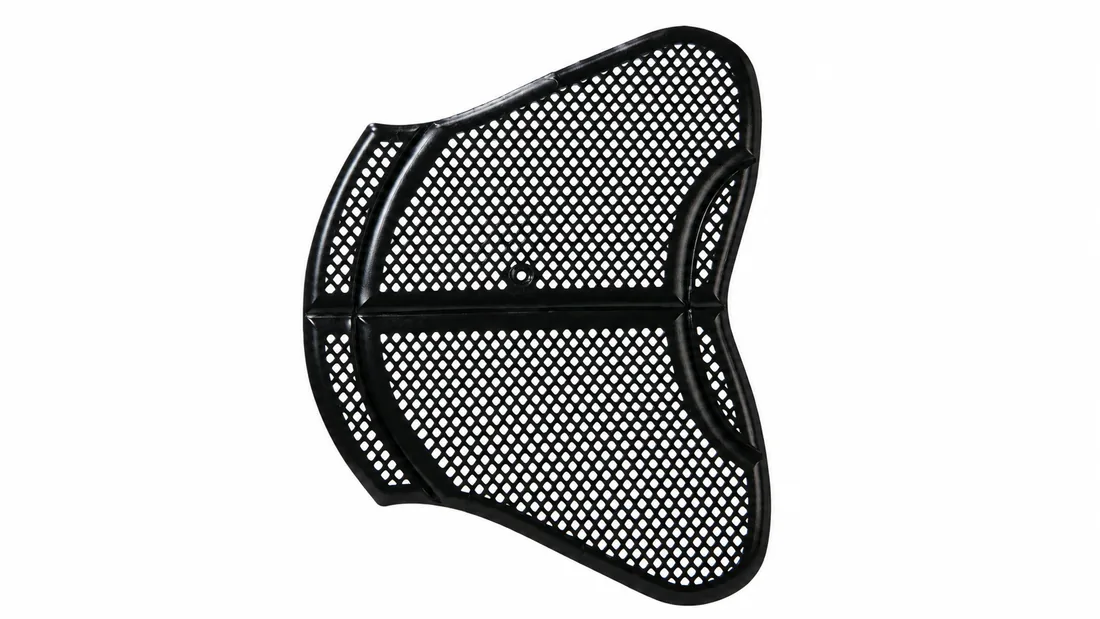
For a silicone saddle pad order, connect the chosen model and size to the commercial description. A product image does not establish carton dimensions or gross weight. Request the actual packing information needed for the quotation and update the relevant parties if the final packaging changes.
- Commercial invoice: reconcile seller, buyer, product descriptions, quantities, units and agreed commercial references.
- Packing information: reconcile pack counts, contents, marks and the shipment measurements provided.
- Transport documents: confirm the responsible issuer, routing details and required recipients.
- Product records: retain accepted revisions, applicable instructions and the agreed document handover separately.
The import guide explains that supporting documents depend on the circumstances. Agree the actual requirements with the customs representative rather than treating this list as universally sufficient. If quantities or descriptions conflict, resolve them before dispatch instead of asking the receiving team to explain an avoidable mismatch later.
Use a shared order reference across the document handover and identify which version is current. When a document is corrected, notify every party relying on the earlier copy instead of sending the replacement only to the buyer. Keep the reason for the change visible so a corrected quantity is not confused with a new shipment or additional order.
Release shipment only after the open items have owners
Review the worksheet with the supplier and the parties arranging transport and clearance. Assign each unresolved item to a named contact, with the evidence needed to close it. Keep production readiness, dispatch, transport estimates and the receiving appointment separate so an estimated milestone does not become a guaranteed arrival promise.
Confirm how the receiving team will record quantity discrepancies, visible damage or missing documents. Agree the reporting route and any contractual deadlines in advance, without assuming one universal claim period. Preserve the relevant records and follow the agreed instructions rather than improvising a remedy from the delivery label.
For a repeat order, return to the European wholesale purchasing brief and reconfirm the product lines and delivery scope. A changed quantity, pack, destination or route can require a revised quotation even when the model remains the same. Approve the current written arrangement, not the memory that the previous order was simply “DDP”.