Silicone Bit Guards: Fit Checks for Lip Contact and Pinching
Labial commissure friction is a fit and movement problem, not something a material label alone can solve. This guide explains how a guard may separate lip tissue from moving hardware, how buyers can check a sample, and where the available German project evidence stops. Start with our silicone bit guards catalogue before specifying an opening or pack unit.
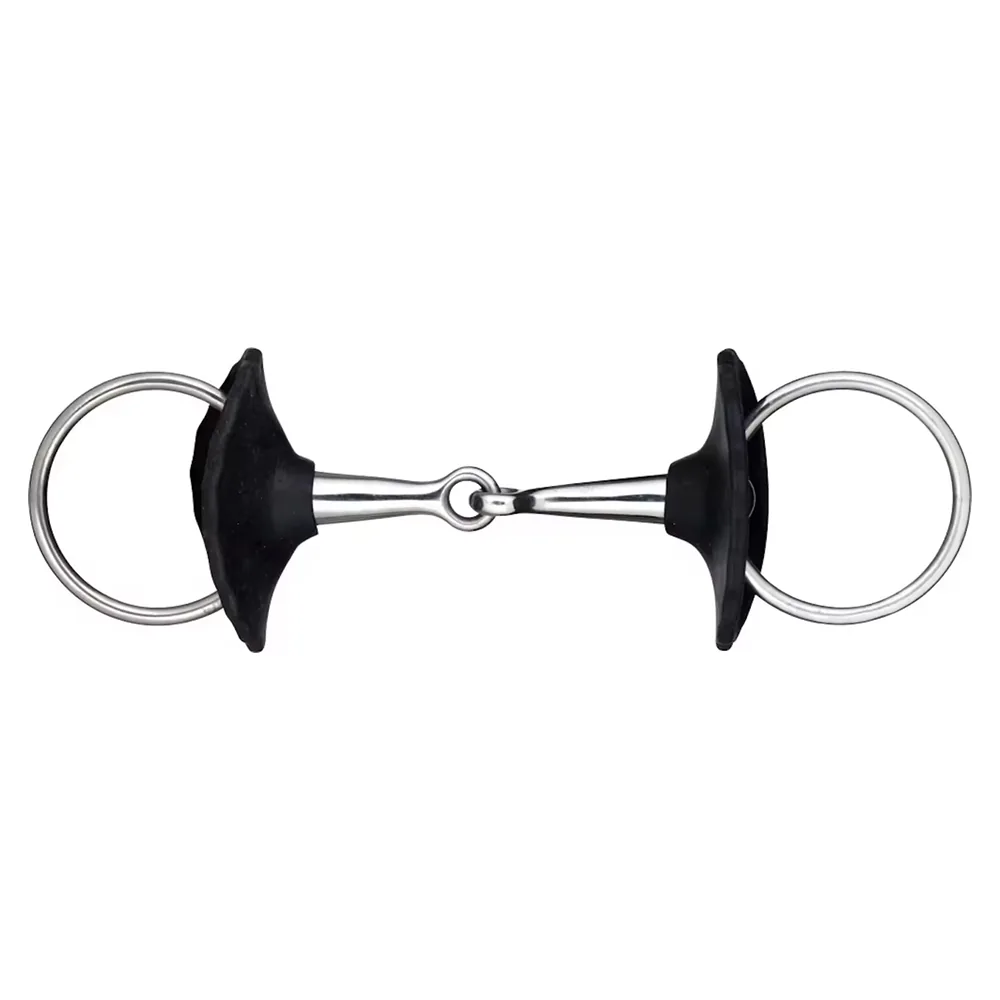
1. What creates labial commissure friction?
On a loose-ring snaffle, a moving ring and the mouthpiece opening can bring hardware close to the soft tissue at the corners of the lips. Rein movement, cheekpiece tension, bit width, mouth conformation and bridle fit all change the contact pattern. The phrase sensitive mouth horse bit accessories should therefore lead to a fit review, not an automatic promise of comfort.
A silicone bit guard is intended to form a soft barrier around the relevant contact area. It cannot make every bit suitable, eliminate all metal contact or diagnose commissure sores. If a horse has bleeding, swelling, ulceration or persistent head-tossing, stop and obtain qualified veterinary or fitting advice.
2. Fit the guard to the actual bit
For loose ring snaffle bit guard fitting, record the bit type, ring or cheek geometry, mouthpiece width, guard opening, outer diameter and thickness. A nominal ring measurement alone does not establish compatibility. The table below is a pre-order checklist, not a substitute for a sample trial.
| Bit or buyer situation | What to check before use |
|---|---|
| Loose-ring snaffle | Check the guard opening, outer diameter, thickness and ring travel on the actual bit. The guard should separate lip tissue from the contact area without folding or restricting movement. |
| Full-cheek or gag bit | Confirm the mounting method before ordering. Do not force a closed opening over a cheek arm; ask whether a slotted option is available for the specified geometry. |
| Weymouth or Pelham curb setup | A bit guard is not a curb-chain guard. Specify which part needs protection and review a curb chain protector separately. |
| Sensitive-mouth horse or existing sore | Have a qualified fitter or veterinarian check the bridle and mouth. Stop use if a guard folds, rubs, traps tissue or worsens a sore; an accessory is not a treatment. |
| Stretch-fit versus slot-lock | Stretch-fit is a closed-hole mounting approach; slot-lock is a slotted approach. Confirm the supplied design, installation steps and replacement criteria for the actual order. |
For deeper material questions, compare the silicone versus rubber evidence checklist. Stretch-fit versus slot-lock bit guards are mounting descriptions; ask the supplier which design is supplied and how it is approved for your bit.
3. What the German equine rescue ODM project demonstrates
The protection value of a custom silicone muzzle pad was explored in a German equine rescue ODM project. The recorded project involved a 90-day development cycle and field testing, with a reported 94% muzzle-abrasion recovery rate within 30 days. This is evidence about that custom muzzle-pad project, not a clinical result for standard bit guards.
That evidence belongs to the custom muzzle-pad project. It is not a clinical trial of standard SC-SBG-01 bit guards, does not establish zero irritation or zero tearing for every product, and should not be presented as a healing guarantee. Buyers should keep the project scope separate from routine bit-guard fit claims and request the relevant reports for their own SKU.
4. Build a complete comfort review
When a horse shows mouth or facial sensitivity, review the full system: bit geometry, cheekpieces, noseband, bridle adjustment, guard edge, cleaning routine and riding context, and verify competition eligibility against the current FEI rules and regulations for your discipline. A guard may be paired with a silicone mullen mouth bit, silicone curb chain protector or silicone padded bridle, but each component needs its own fit and product evidence.
For private-label brands, approve a physical sample before bulk production. Put the opening, thickness, color, pack unit, logo, care instructions, test documents, product-specific MOQ and lead time in the quote. General OEM or ODM terms are not a substitute for a bit-guard-specific specification.
5. Frequently Asked Questions
How does a loose-ring snaffle pinch the labial commissures during lateral rein aids?
A moving cheek ring can bring lip tissue toward the opening or contact zone around the mouthpiece. The exact pinch risk depends on the bit geometry, bridle fit, rein use and the horse's mouth. A correctly fitted guard may separate tissue from that zone, but it cannot correct an unsuitable bit or replace an assessment of an existing injury.
When should a rider choose stretch-fit inner-hole bit guards versus snap-lock slotted bit guards?
Use the mounting approach that matches the actual bit and the supplier's instructions. A closed-hole stretch-fit design may suit a ring that can pass through the opening; a slotted design may be considered where a cheek arm cannot pass through. Confirm the product-specific geometry and do not stretch, cut or force a guard without approval.
Can pairing silicone bit guards with a silicone mullen mouth bit completely eliminate metal-to-skin contact?
No universal guarantee should be made. Pairing accessories can cover more contact points, but fit, exposed hardware, bit geometry and movement still need checking. Ask for the exact product drawings and inspect the assembled bridle before use; stop if metal still contacts skin or the horse shows discomfort.