Silicone vs Rubber Horse Bit Guards: Mouth Safety & Tear Resistance Compared
Bit guards sit near the corners of a horse's mouth, so buyers need more than a material name. This comparison explains how to review silicone, rubber, latex and TPU options for fit, documentation, cleaning and replacement. Start with the silicone bit guards category for the current product record, then request evidence for the exact finished accessory.
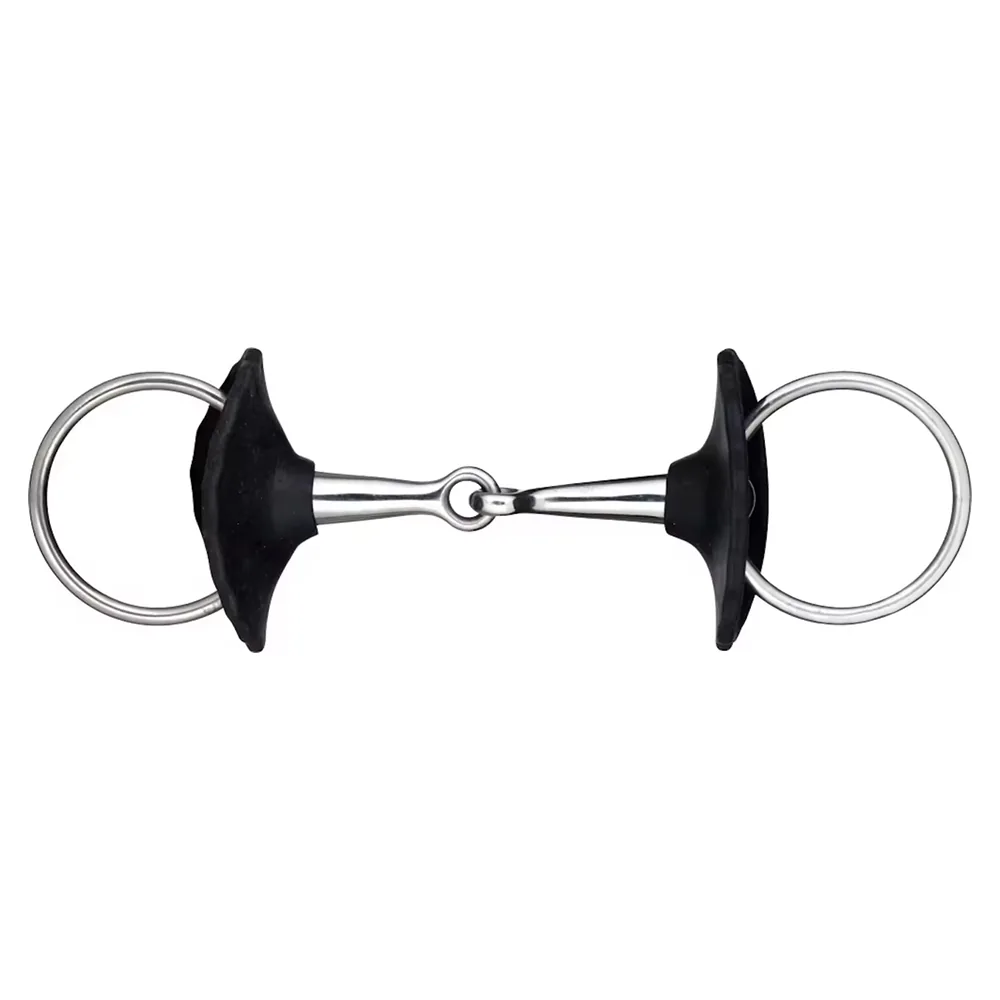
1. Compare the evidence, not just the polymer name
“Silicone,” “rubber,” “latex” and “TPU” describe different material families, but they do not by themselves prove mouth-contact suitability. A buyer should ask for the formulation, intended contact, test specimen, report date and care instructions for the actual bit guard. If a claim says a material is nitrosamine and PAH free, the supplier should identify the test scope behind that wording.
Silicon Chain's records describe high-elasticity medical/food-grade silicone for SC-SBG-01 Silicone Bit Guards for Horses, alongside company material experience covering EU REACH, FDA 21 CFR 177.2600, LFGB and ISO 10993. Request product-specific documentation rather than treating a general material statement as a finished-product approval.
2. A like-for-like comparison for importers and tack brands
For buyers searching for latex free equine bit guards or non toxic horse bit rings wholesale, the table below is a supplier-question checklist. It deliberately leaves product-specific measurements and lifespan claims open where the current evidence does not establish them.
| Buyer check | Silicon Chain Silicone Bit Guards | Natural Rubber Bit Guards | Latex or TPU Bit Rings |
|---|---|---|---|
| Material and test evidence | High-elasticity medical/food-grade silicone is listed for SC-SBG-01. Request the product-specific formulation and test reports. | Ask which rubber compound, fillers and cure system are used; do not infer chemical risk from the word rubber. | Confirm whether the item is latex or TPU and request the applicable composition and test scope. |
| Mouth-contact suitability | The company material records list REACH, FDA 21 CFR 177.2600, LFGB and ISO 10993 material experience. Verify the supplied report matches this finished accessory. | Confirm intended contact, odor/taste testing and any allergen statement for the actual guard. | Confirm the actual polymer, additives and contact-use evidence before listing it for sensitive-mouth buyers. |
| Stretching and fit | Measure the opening, outer diameter, thickness and ring geometry on a sample. Product-specific elongation and tear results require confirmation. | Test the actual guard for edge damage and tearing during the supplier-approved installation method. | Check the mounting method for the actual cheek shape; stiffness can vary with formulation and geometry. |
| Cleaning and replacement | Rinse saliva and dirt away, inspect the contact edge and follow the product-specific care instructions. Do not assume 85°C dishwasher sterilization without written confirmation. | Follow the supplier's care instructions and replace a guard showing cracks, hardening or edge damage. | Use material-specific cleaning instructions and record any warping, discoloration or loss of fit. |
| B2B evidence pack | Request a sample, dimensions, pack unit, color specification, material documents and a written quote. | Request the same evidence so that landed cost and compliance can be compared fairly. | Request the same evidence; a different polymer name is not a substitute for documentation. |
3. Fit and installation are separate from material safety
A guard can still pinch, fold or tear if its opening and thickness do not suit the bit. Measure the actual ring, cheek shape and mouthpiece; follow the approved installation method; and inspect the contact edge after a short controlled trial. Do not force a guard over a full-cheek arm, cut the opening without approval or use an accessory to treat an existing sore.
Stretch-fit and slot-lock are useful descriptions of mounting approaches, not universal performance grades. Ask which version is supplied, how it is installed and how it should be replaced. Any claim about platinum-cured LSR elastomer should be linked to the actual formulation and report, not used as a substitute for fit testing.
4. Cleaning, claims and the B2B evidence pack
A practical evidence pack should include dimensions, pack unit, color, logo artwork, care instructions, material reports, sample approval and a written quote. If you need a cleaning statement such as 85°C dishwasher sterilizable, ask the supplier to confirm the exact product, cycle and acceptance criteria. Do not transfer a temperature range from a different silicone tack product.
For private-label or retail supply, compare accepted pairs after sampling, not an assumed markup. The quote should state whether the price is per guard or per pair, what packaging is included, and which product-specific MOQ and lead time apply. Continue to the fitting guide for commissure protection before approving a range.
5. Frequently Asked Questions
Do vulcanized rubber bit guards contain PAHs, sulfur curing agents, or latex proteins that irritate horse lips?
Some rubber formulations may use sulfur curing systems, accelerators or natural latex, but the presence and risk depend on the actual compound and test report. Ask for composition, extractables and intended-contact evidence instead of applying a blanket claim to every rubber guard. The same rule applies when assessing non toxic horse bit rings wholesale: request evidence for the finished item.
How does horse saliva pH affect natural rubber versus platinum-cured silicone over 12 months?
The long-term effect of saliva, sweat and UV depends on the formulation, geometry, cleaning and use conditions. A supplier should define the exposure method and acceptance criteria before claiming a service-life advantage. Saliva enzymatic degradation is a useful test topic, not a measured 12-month result for SC-SBG-01 in the available product evidence.
Which EU and US chemical compliance certificates should tack importers request for mouth-contact horse tack?
Ask for the report that matches the supplied material and intended contact. The company material records list REACH, FDA 21 CFR 177.2600, LFGB and ISO 10993 material experience, but an importer should verify report scope, specimen, date and finished-product applicability. A factory quality certificate alone is not a mouth-contact material report.