Equestrian Buyer Guide · 2026-10-26
How to Check Stirrup Cover Fit and Clearance
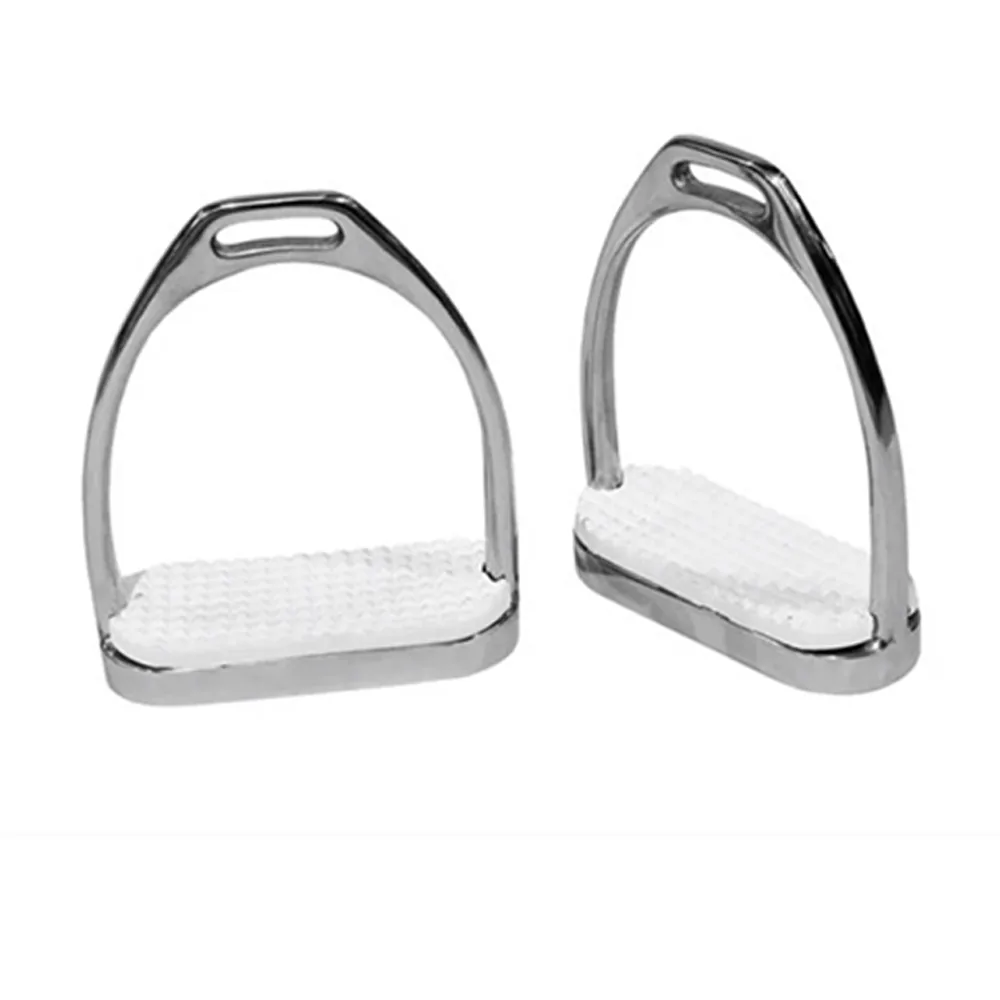
Silicone stirrup cover fit and clearance should be checked against the intended stirrup and boot. SC-SSC-01 uses a thickened silicone contact layer with a diamond anti-slip tread and lightweight aluminium support or a tension-clip arrangement. The tread helps keep boots secure in wet rain and mud, while the silicone layer insulates rider feet from freezing metal irons. This guide turns the original product claims into a practical fit and setup review.
1. Identify What the Sample Actually Includes
Start with the silicone stirrup covers collection and request the current drawing for SC-SSC-01. Product names can describe a protective cover, stirrup tread inserts or a complete assembly. A cover may wrap an existing part; an insert must seat in a designed recess; a complete stirrup supplies its own supporting frame. These are purchasing descriptions, not three interchangeable configurations of this product. Do not assume an order includes a frame, fastening clips or a matched pair unless the packing list says so.
The documented range refers to silicone contact material combined with lightweight aluminium support or a tension-clip arrangement. That wording does not resolve the exact attachment on your chosen sample. Ask for an exploded view or clear photographs identifying the tread, supporting structure and fasteners. If the supplier and buyer cannot mark the same boundary around the supplied part, pause the fit review. Otherwise, a favourable measurement can refer to a component that will not actually be delivered.
- Mark each delivered part and state whether it is removable.
- Identify the existing stirrup make, model and revision.
- Record the intended riding boot and sole type.
- Keep the accessory specification separate from approval of the complete stirrup.
2. Translate the Listed Sizes into a Measurement Request
The product record lists 4.25 inch Child, 4.75 inch Standard and 5.0 inch Wide tread-width options. Choose the child, standard or wide option according to the intended stirrup and riding boot. Nominal width still needs to match the platform and mounting interface, so record the selected option on the purchase brief.
Use one drawing revision throughout the sample review. Record the internal opening of the stirrup, usable platform width and depth, the accessory’s overall envelope, and the mounting features it engages. Also identify the boot sole at the actual contact zone. A broad sole, a different heel profile or a changed tread may behave differently within the same nominal opening. The relevant acceptance limits must come from the approved design and equipment manufacturer; this guide does not invent a universal clearance in millimetres.
| Review item | Record on the sample | Decision boundary |
|---|---|---|
| Stirrup opening | Measurement points and drawing revision | No universal clearance is specified here |
| Tread interface | Platform width, depth and seating features | Match the intended design; do not force fit |
| Boot sole | Actual boot and contact geometry | Check the intended combination |
| Retention | Mounting method and observed movement | Initial screen is not safety certification |
Do not convert a child size into an age recommendation. The boot, stirrup and intended use still need a suitable assessment. Likewise, do not enlarge a cover by cutting or heating it to meet a nominal dimension. A modified accessory is no longer the sample described in the approved drawing. When a dimension cannot be checked without removing or altering a structural part, refer the question to the equipment manufacturer rather than improvising a measurement method.
3. Preserve the Intended Release Mechanism
Before installing an accessory, identify every moving arm, hinge, release section, opening and flexible element on the stirrup. A silicone layer must not bridge a gap that is intended to open, obstruct movement or catch a boot in a configuration the manufacturer has not approved. Treat an unknown interface as unresolved even if the accessory looks tidy. A stationary photograph cannot establish how the complete system behaves when a rider needs to separate from it.
Ask the original stirrup manufacturer whether the exact accessory and mounting method are allowed. Keep the response with the sample specification, including any exclusions or required checks. If there is no answer, do not translate silence into permission. A supplier’s general statement that silicone is soft is not an assessment of release function. A hand-operated movement screen also does not substitute for the manufacturer’s validation under relevant conditions.
For competition use, consult the current FEI Jumping Rules and equipment requirements index, and the rules of the particular event or governing body. The FEI page is a rules reference, not an endorsement of SC-SSC-01. No competition approval is claimed here. Record the applicable discipline and rule version instead of printing a general “competition legal” statement on retail packaging.
4. Check Seating and Retention Before Considering Use
Begin the sample inspection off the horse and without a rider. Follow the approved mounting instructions and inspect the interface from more than one direction. The component should match the intended seating features without folding, rocking, stretching across a sharp edge or leaving fasteners partially engaged. If the mounting instructions do not identify orientation or retention, request clarification before proceeding. A forced fit is not a useful substitute for the correct geometry.
- Photograph the unassembled stirrup and accessory.
- Check the parts and drawing revision against the packing list.
- Install only by the approved method and record orientation.
- Inspect each seating and retention feature without modifying it.
- Record movement, folding or exposed edges as observations.
- Escalate any uncertainty before a qualified assessment of actual use.
A simple retention check can reveal an obvious mismatch, but it is not a strength rating. A hand pull has no established relationship to a dynamic riding load unless a validated method says otherwise. Do not assign a load limit, fatigue life or safety factor from that screen. If a commercial brief requires those claims, ask for a product-specific test method, sample configuration and report. Keep passing an initial visual inspection separate from approval of the complete system.
5. Evaluate Boot Contact Without Turning “Grip” into a Guarantee
The diamond silicone tread is designed to keep boots secure in wet rain and mud. Match the selected tread width to the actual stirrup and boot, and keep the tread clean so the intended contact surface remains available. Check the same configuration in the riding conditions relevant to your programme.
A more secure feel is not the only decision criterion. The boot must still behave as intended within the full stirrup system. Do not create a showroom demonstration that rewards holding the boot in place while ignoring release or movement requirements. When a sample catches, shifts or changes shape, stop and document the issue. Ask an appropriately qualified equipment professional to determine the next assessment step rather than trying the uncertain combination during a lesson.
6. Inspect After Cleaning, Storage and Handling
The non-porous, hydrophobic food-grade silicone surface allows sweat, mud and hair to rinse away under cold tap water in 30 seconds. For commercial riding schools and veterinary rehabilitation barns, the product supports 85°C disinfection without leather oil or saddle soap. Follow the supplied care instructions for any aluminium support, tension clip or other hardware.
Look for tears, separation, deformation, loose fastening, sharp edges and trapped debris. Also remove the accessory when the approved instructions require inspection of the underlying stirrup. A soft layer can conceal a problem; it cannot repair a damaged frame. Any damaged or uncertain equipment should be removed from service and reviewed according to the original manufacturer’s advice. Replacement criteria need to appear in buyer instructions, not remain as undocumented knowledge in a sales conversation.
7. Turn the Review into a Repeatable Purchase Decision
Keep a signed sample record containing the exact stirrup, boot, accessory revision, photographs and outstanding questions. Define who can approve a change. A new colour, revised mould or different mounting clip may require renewed review even when the marketing name stays the same. Ask the supplier to flag substitutions before production, rather than discovering them when a repeat shipment arrives. A useful sample is a controlled reference, not simply an attractive object on the buyer’s desk.
For order minimums and packaging, continue with the private-label sourcing guide. When reviewing a material document, distinguish its scope from equipment performance: 21 CFR 177.2600 concerns rubber articles intended for repeated use within a food-contact regulatory context. A reference to that section does not validate retention, release, structural strength or suitability for this riding application.
Send the completed review questions with your SC-SSC-01 sample request. If compatibility, care instructions or part contents remain uncertain, the honest purchasing decision is “not yet approved”. That answer protects both the buyer’s specification and the rider-facing instructions from claims the available evidence cannot support.
Frequently Asked Questions
Should I size down to make a loose cover stay in place?
No. An undersized accessory can distort, fail to seat or change clearance. Identify the mounting mismatch and obtain an approved design rather than forcing it to fit.
Does a hand-pull check certify riding safety?
No. It is only an initial sample screen. Load conditions, fatigue, boot release and the stirrup maker’s compatibility requirements need their own assessment before riding.
Can a soft cover repair a damaged stirrup?
No. Remove damaged equipment from use and follow its manufacturer’s advice. A cover can conceal damage; it is not a structural repair.