Equestrian Buyer Guide · 2026-10-26
How to Source Private-Label Silicone Stirrup Covers
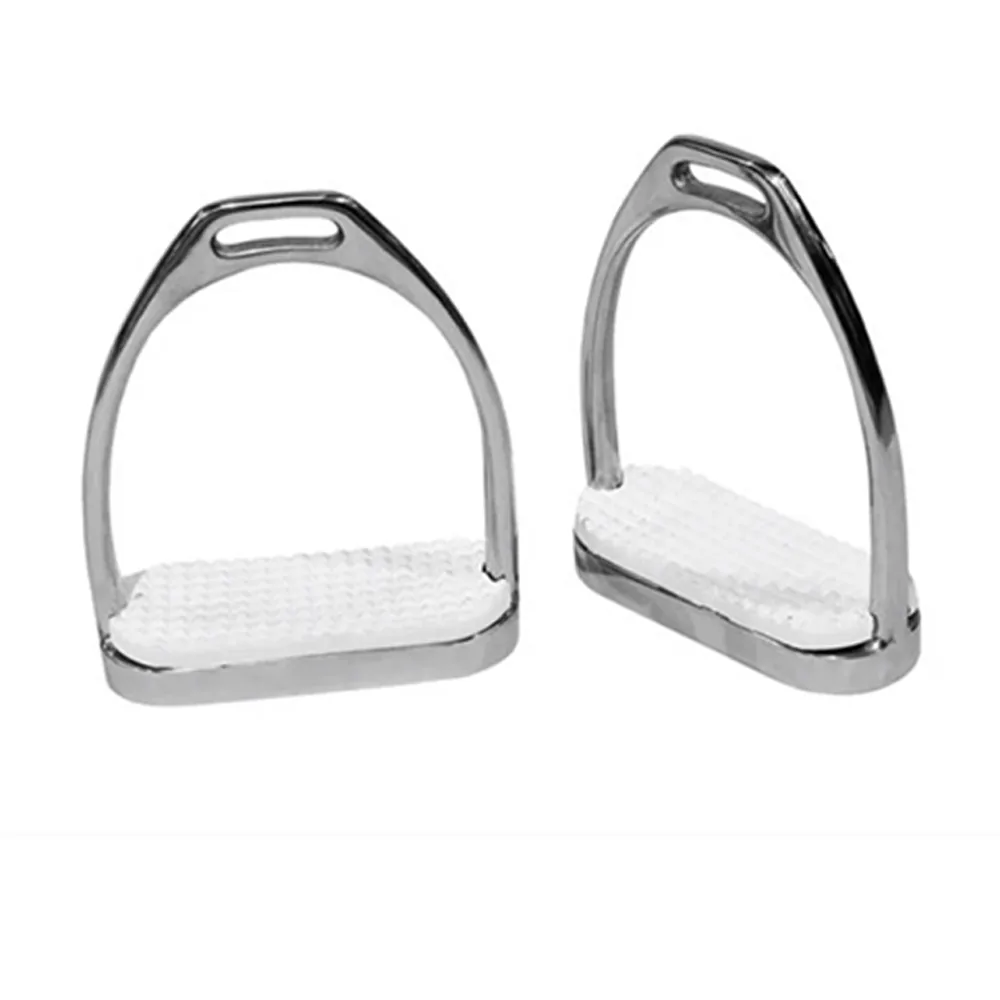
Private-label silicone stirrup covers need a purchasing brief that is more precise than a preferred colour and an order quantity. Buyers must identify the supplied component, the intended equipment interface, the unit of sale and the evidence needed for their proposed retail claims. This guide separates standard stock, logo embossing and custom colour programmes. It is intended for equestrian brands, distributors and tack retailers preparing a sample request, not as an offer of current price, stock or delivery.
1. Define the Deliverable Before Asking for a Price
Begin with the silicone stirrup covers collection. The catalogue entry SC-SSC-01 should be linked to a drawing, photographs and a packing list. Establish whether you are buying a cover, an insert, a supporting assembly or a complete stirrup. Do not use those descriptions interchangeably. The supplier’s written quote should name the included parts and state whether fasteners, instructions, packaging or a supporting frame are supplied.
The product range describes silicone contact material combined with lightweight aluminium support or a tension-clip arrangement. The actual construction of the selected sample needs confirmation. Ask the supplier to identify what is removable, what is bonded and what belongs to the customer’s existing equipment. Those distinctions affect inspection, packaging and the information needed by a retailer. A low unit price is not a meaningful comparison when one offer includes fewer parts or leaves a critical mounting item for the buyer to source.
2. Keep the Three Purchasing Programmes Separate
The standard private-label programme starts at 500 pairs with tiered wholesale pricing of US$29–$35 per pair. Custom logo embossing or printing and branded retail packaging are included in the private-label brief, while custom OEM tooling orders start at 500 units. Specify the desired size, colour, logo and packaging programme when requesting the quote.
| Programme | Listed minimum | Approval needed |
|---|---|---|
| Standard private label | 500 pairs | Tiered wholesale US$29–$35/pair; branded retail packaging |
| Custom OEM tooling | 500 units | Custom logo embossing or printing and branded packaging |
| Custom Pantone | Request quote | Colour and tooling details confirmed with the order |
For a stirrup cover wholesale enquiry, list the 4.25 inch Child, 4.75 inch Standard or 5.0 inch Wide tread-width option, then add the colour and packaging choices. The product record offers Classic Black, Saddle Brown, Forest Green and Custom Pantone, while the broader standard palette includes 12 regular colour options. Request the preferred colour, logo and branded retail packaging in the purchase brief.
- State total pairs and the quantity for each configuration.
- Separate standard colours from a custom colour request.
- Identify whether the logo is embossed, printed or still undecided.
- Ask whether packaging thresholds apply independently.
- Keep sample purchases distinct from production minimums.
3. Resolve Pairs, Pieces and Retail Pack Contents
Write the unit of sale in words. “One pair” and “one piece” can generate a costly misunderstanding when a spreadsheet, online selector and retail carton use different abbreviations. Ask the quote to state the number of accessories inside each retail pack, the pack count per carton and the basis for the unit price. Check whether the product has handed components or identical pieces; do not invent a left/right distinction from the fact that a rider uses two stirrups.
Approve the physical packing sample. Its label should match the supplied component and size, and the instructions should describe the actual mounting arrangement. A generic horse-tack leaflet may omit the checks this accessory needs. If a distributor requires barcode artwork or multiple languages, request the cost and approval process separately. The buyer should not rely on the factory to infer a market-specific label from the destination country alone.
4. Make Logo Embossing a Technical Approval
Logo embossing affects more than appearance. Provide vector artwork, an intended location and an example of the smallest detail that needs to remain readable. Ask the supplier to confirm the available area and whether the location affects thickness, contact or mounting. Do not place branding across a flexible zone or retention feature without design review. A logo should not make a functional instruction harder to see or create an ambiguous orientation mark.
Approve a physical branded sample before bulk production. View it in the intended colour and lighting, and inspect it after the agreed cleaning process. Record artwork revision, logo orientation and any accepted visual variation. Do not promise exact reproduction from a screen mock-up alone. Tooling charges, ownership, storage and repeat-order use should be written in the quotation or purchase terms. No tooling fee or completion time is assumed in this guide.
5. Control Custom Colour with a Physical Reference
Custom Pantone colour is available within the private-label and OEM programme. Give the supplier the chosen colour reference and a physical colour sample when available. Screen settings, surface texture and lighting can change how a silicone part appears. Keep the approved physical sample as the repeat-order reference.
The selected compound and pigment system also matter to documentation. A report for a different colour or formulation is not automatically evidence for the new one. If a commercial claim requires a particular material test, ask whether the report identifies the intended formulation and whether additional verification is needed. This is a scope question, not a reason to assume a colour change is either harmless or unacceptable. Keep the decision tied to the actual material and the intended claim.
6. Approve Fit and Safety Boundaries Before Retail Copy
Use the stirrup cover fit and clearance guide to organise the interface review. The purchase file should identify the intended stirrup and boot, the accessory revision, the mounting instructions and any compatibility exclusions. Neither a soft material nor a textured contact surface establishes universal safety. An accessory must not obstruct a release mechanism, and the original equipment manufacturer’s approval is needed for uncertain configurations.
Keep competition statements specific. The FEI Jumping Rules index provides access to current discipline and equipment requirements. It does not certify this product or settle rules for every organisation. If your packaging mentions competition use, determine the applicable governing body, rule version and product configuration. Do not turn a link to a rules page into a “FEI approved” badge.
7. Request Documents that Match the Claim
Material compliance, structural testing and user compatibility answer different questions. The product record describes certified food-grade and medical-grade silicone compliant with EU REACH, FDA 21 CFR 177.2600, German LFGB and ISO 10993 skin-contact biocompatibility standards. The non-porous silicone surface rinses sweat, mud and hair away in 30 seconds and supports 85°C disinfection for commercial riding schools and veterinary rehabilitation barns. Request the applicable material and care documents for your order.
For a grip or retention claim, request product-specific evidence describing the boot sole, mounting arrangement, condition and test method. For cleaning claims, request instructions for the finished assembly rather than the raw silicone alone. Do not carry a general material temperature range into a dishwasher, sterilisation or complete-product durability statement. If the documents do not support a proposed claim, revise the retail copy or hold the claim until the required evidence exists.
8. Compare Quotations on a Common Basis
There is no confirmed current unit price in this guide. Ask for a written quotation showing the exact size allocation, colour programme, pair contents, logo method and packaging. Separate unit price from tooling, sample, artwork, testing, freight and import costs. Include the trade term and the period for which the quotation applies. A historical figure or a selector display cannot replace that offer. Avoid comparing an ex-factory pair price with a delivered single-piece price as though they were equivalent.
A practical landed-cost worksheet uses your actual quantities and destination charges. Divide the relevant shipment costs by the saleable units you expect to receive, while keeping development costs visible rather than hiding them in a headline margin. This is a calculation approach, not a promised profitability result. Ask your logistics and finance advisers how taxes, duties and payment terms should be treated for your market. Do not invent a retail multiplier to make the project appear viable.
9. Preserve the Approved Sample Through Repeat Orders
Keep a retained physical sample and its document revision. The approval pack should include component photographs, size drawing, logo artwork, colour reference, packaging and care instructions. Define which changes require buyer consent. A different clip, pigment, support structure or mould revision may affect an earlier decision even if the product name is unchanged. Request notification before substitution, not a general promise that repeat orders will look similar.
- Confirm the component and unit of sale.
- Review drawings, compatibility and outstanding evidence.
- Approve the standard or branded physical sample.
- Agree the quantity allocation and written quote.
- Approve labels, instructions and packing contents.
- Define inspection, change notification and issue reporting.
For incoming goods, agree checks that reflect the approved sample: part identity, visible condition, dimensions, mounting features, branding and pack contents. Any acceptance limits or sampling plan should be agreed with the supplier; none is invented here. A visual screen cannot certify fatigue performance. If an unresolved safety or functional difference is found, isolate the affected goods and obtain a documented review instead of relying on a last-minute relabelling decision.
Send the completed brief with your SC-SSC-01 sample enquiry. The useful result is not just a lower quote: it is a clear agreement about what will be delivered, how it has been reviewed and which claims remain unapproved. Keep that distinction visible from the first enquiry through the next repeat order.
Frequently Asked Questions
May standard stock orders automatically include an embossed logo?
No. The listed thresholds differ: standard 500 pairs, logo embossing 1,000 pairs and custom colours 2,000 pairs. Specify exactly which programme, sizes and packaging you are requesting.
Does an FDA material report approve the complete stirrup?
No. A material report has a defined sample and test scope; it is not approval of the complete stirrup’s structure, release function or suitability for competition.
Can I assume the product selector’s unit is a retail pair?
No. Ask the quotation to state whether quantities, packaging and prices refer to one accessory or a left/right pair. Approve the pack contents before ordering.